Sewage Cleanup
19 August 2026
|
Flood Services Brisbane
⚠
Sewage backup is a health emergency. Do not wait.
Call Flood Services Brisbane 24/7 on 07 3185 0987 for immediate response.
TL;DR
Sewage backup cleanup in Brisbane requires immediate professional response. Sewage water is Category 3 black water — the most hazardous water type. Exposure carries serious health risks from bacteria, viruses, and parasites. Do not attempt DIY cleanup. Call Flood Services Brisbane 24/7 on 07 3185 0987.
Sewage cleanup Brisbane emergency calls come in at all hours. A blocked drain overflows. A sewer pipe backs up into a bathroom. A stormwater event pushes sewage through floor waste drains. Whatever the cause, sewage backup is not a problem you manage slowly. It is a health emergency that requires professional response within hours.
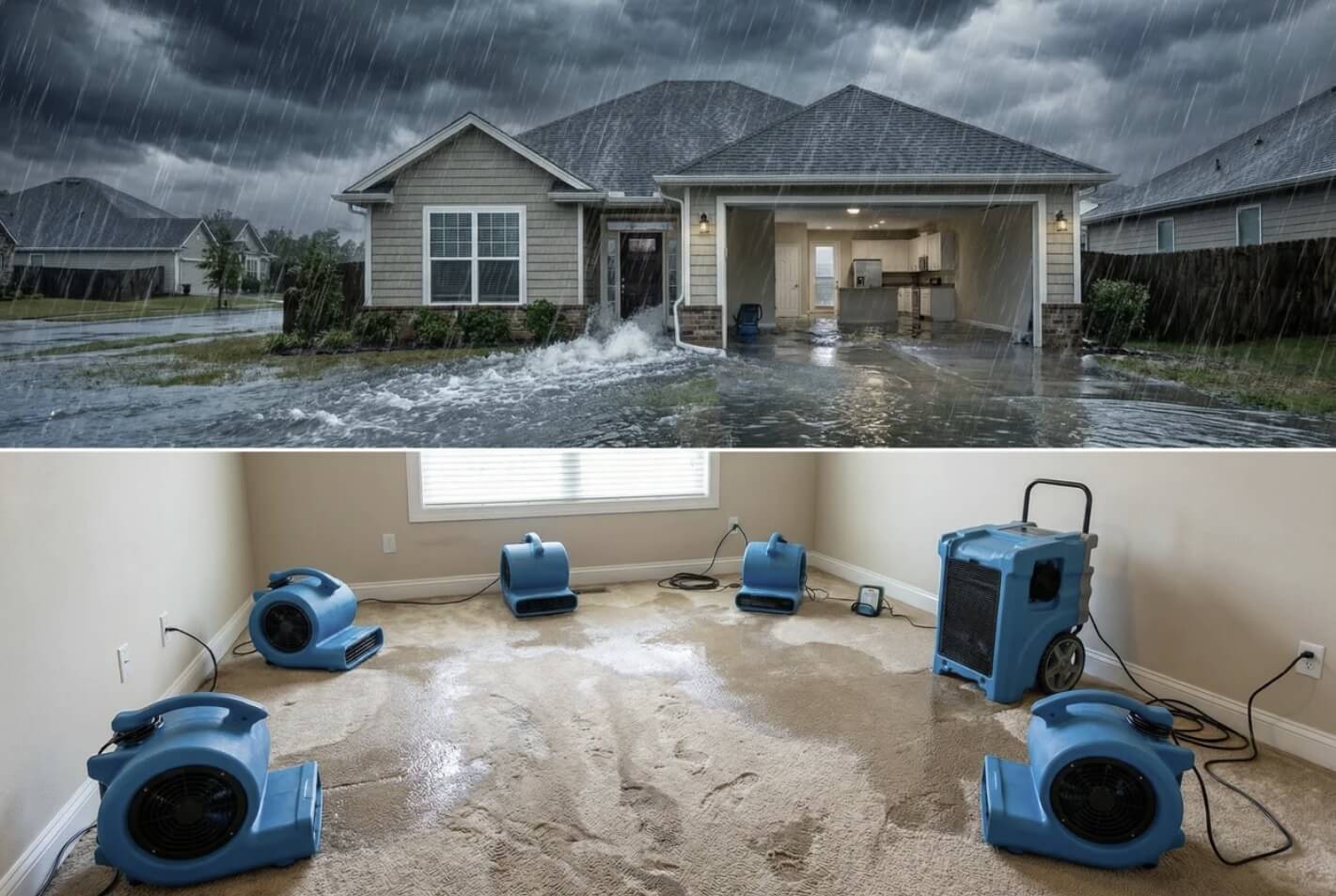
Sewage backup in a Brisbane home requires immediate Category 3 black water response.
Is Sewage Backup a Health Emergency?
Yes. Sewage backup is a health emergency. Not a plumbing inconvenience you clean up over a weekend. Raw sewage contains bacteria, viruses, fungi, and parasites that cause serious illness including gastroenteritis, hepatitis A, leptospirosis, and E. coli infection.
In Brisbane, sewage events also attract cockroaches and rodents, which carry additional disease vectors. The longer the sewage remains in contact with building materials, the more deeply it contaminates them — and the larger the zone of required professional sewage remediation.
Do not enter a sewage-affected area without full PPE. If the overflow is significant, evacuate the affected room immediately. Do not touch surfaces, run taps, or use drains in connected wet areas until the source has been isolated.
What Is Black Water and Why Is It Dangerous?
Water damage is classified into three categories based on contamination level. Understanding which category you are dealing with determines the required response.
| Category |
Water Type |
Source |
DIY Safe? |
| Category 1 |
Clean Water |
Burst supply pipe, overflowing sink (clean water only) |
With care, for small areas |
| Category 2 |
Grey Water |
Washing machine overflow, dishwasher, toilet water without solids |
Limited DIY; professional preferred |
| Category 3 |
Black Water |
Sewage, flooded river water, toilet with solids, stormwater |
No. Professional only. |
Sewage backup is always Category 3 black water damage. Any clean water that contacts sewage is also reclassified as Category 3. Materials that absorb Category 3 water — including carpet, underlay, plasterboard, and insulation — cannot be salvaged with drying alone. They require removal and disposal.
What Pathogens Are in Sewage Water?
- Bacteria: E. coli, Salmonella, Campylobacter, Leptospira
- Viruses: Hepatitis A, Norovirus, Rotavirus
- Parasites: Cryptosporidium, Giardia
- Fungi: Various mould species that establish rapidly on sewage-contaminated surfaces
- Endotoxins from bacterial cell walls that cause inflammatory responses even after bacteria are killed
1
Evacuate the Area
Move everyone, including pets, out of the affected room. Close the door to limit spread of contaminated air and prevent tracking sewage into clean areas.
2
Stop the Source
If the backup comes from a blocked drain, stop using all water-connected fixtures in the property. Running more water will worsen the overflow. Call a licensed plumber immediately to clear the blockage.
3
Do Not Use Electrical Appliances
If sewage water is near power points, switches, or appliances, switch off electricity to that circuit at the switchboard. Do not re-enter the affected area until a licensed electrician confirms it is safe.
4
Document the Damage
Photograph everything from the doorway before any cleaning begins. Date-stamped photographs are essential for your insurance claim. Do not touch or move any contaminated items before documenting.
5
Call a Professional Sewage Cleanup Service
Flood Services Brisbane is available 24/7 for sewage cleanup Brisbane emergency response. We dispatch within 60 minutes and bring all required containment, extraction, and decontamination equipment.
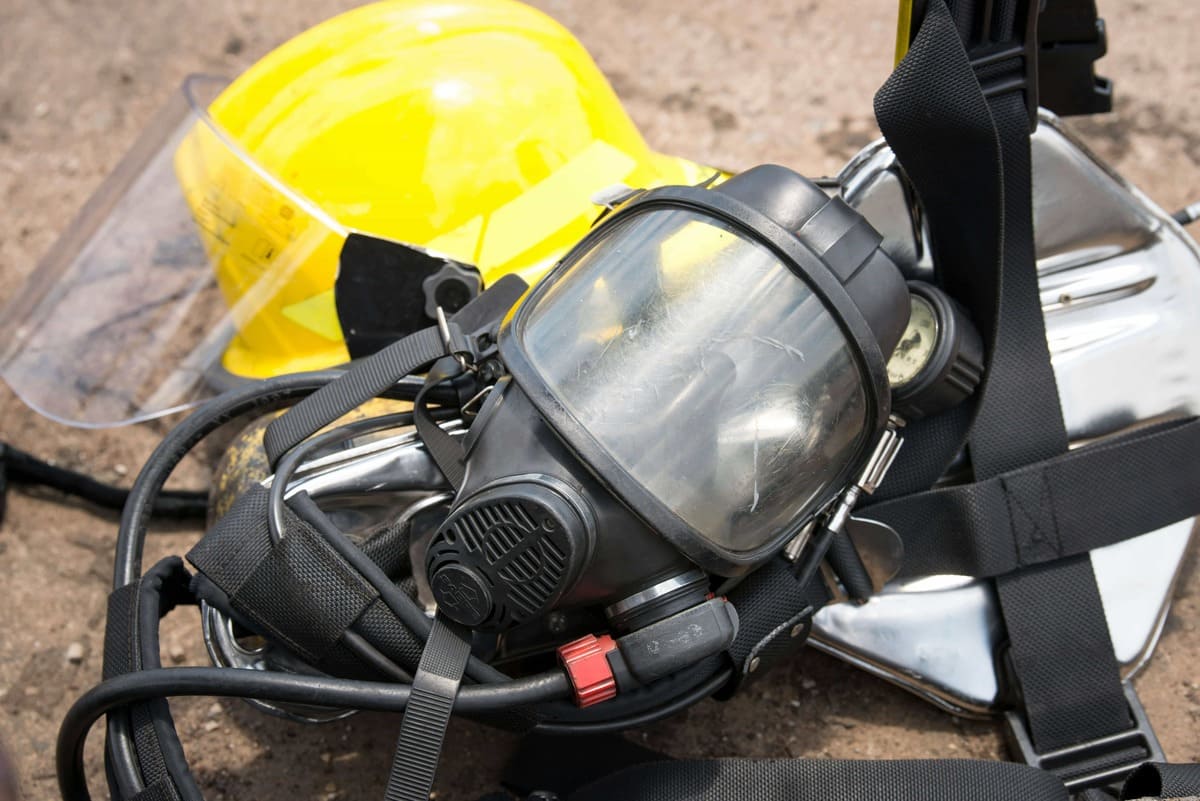
Professional sewage cleanup requires full hazmat-grade PPE and industrial decontamination equipment.
Can You Clean Up Sewage Yourself?
For Category 3 black water, no. DIY sewage cleanup is not safe and is not effective. Here is why.
| Consideration |
DIY |
Professional |
| PPE requirements |
Full hazmat suit, respirator, gloves, eye protection — most homeowners do not have these |
Full PPE supplied and worn correctly |
| Carpet and underlay |
Cannot be safely cleaned — must be removed |
Safely bagged and disposed per health regulations |
| Plasterboard contact |
Cannot be restored — must be removed |
Identified with moisture mapping and removed |
| Antimicrobial treatment |
Consumer products do not achieve full decontamination |
Professional-grade antimicrobials applied to all surfaces |
| Insurance validity |
DIY cleanup may void your insurance claim |
Full documentation provided for claim |
The Professional Sewage Cleanup Process
Every sewage cleanup job Flood Services Brisbane attends follows a structured, certified protocol aligned with IICRC S500 and AS/NZS standards.
Step 1: Assessment
Extent of contamination mapped. Category 3 zones confirmed. Thermal imaging identifies all affected materials.
Step 2: Containment
Negative air pressure and physical barriers isolate the affected area, preventing spore spread to clean rooms.
Step 3: Sewage Extraction
Industrial wet vacuums and pumps remove standing sewage water from the affected zone.
Step 4: Material Removal
Carpet, underlay, plasterboard, and insulation in contact with sewage are removed and sealed for disposal.
Step 5: Decontamination
All remaining surfaces treated with hospital-grade antimicrobials. HEPA-filtered scrubbers remove airborne pathogens.
Step 6: Structural Drying
Commercial dehumidifiers and air movers dry materials to safe moisture levels. See our structural drying service.
Step 7: Clearance Testing
Post-treatment air and surface testing confirms safe occupancy. Clearance report issued for insurance and records.
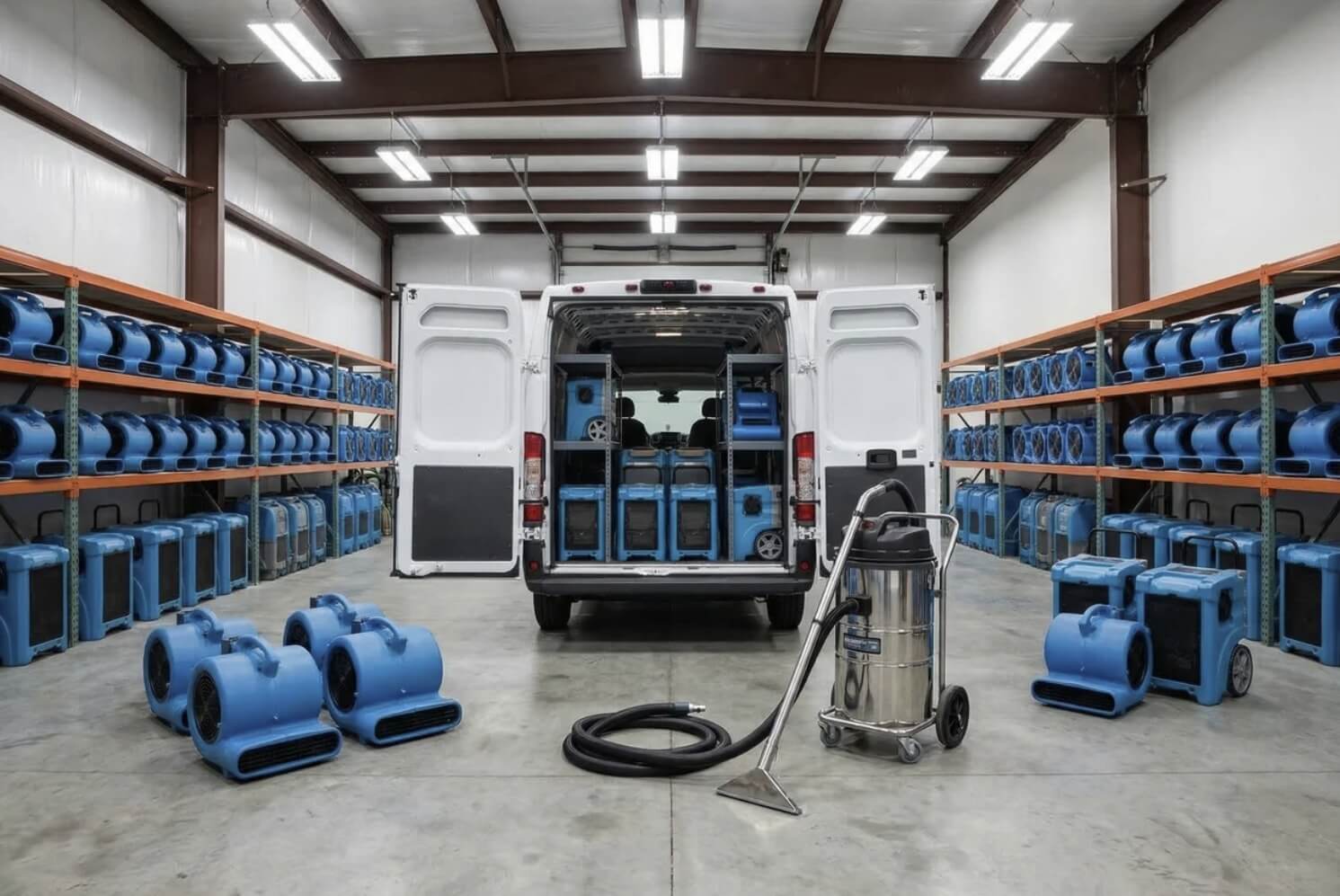
After sewage extraction and decontamination, industrial drying equipment restores structural moisture to safe levels.
Why Choose Flood Services Brisbane for Sewage Cleanup
⌛
24/7 Emergency Response
Sewage emergencies don’t wait. We dispatch within 60 minutes across Brisbane metro, any time.
✅
Category 3 Certified
Full black water containment and decontamination protocols. IICRC S500 and AS/NZS compliant.
📄
Insurance Documentation
We provide the reports your insurer needs and liaise directly with claim assessors.
🔧
Full-Scope Service
From extraction to decontamination, drying, air purification, and clearance.
Does Home Insurance Cover Sewage Backup?
Coverage depends on your specific policy and the cause of the backup. Generally, sudden and accidental sewage events caused by a blocked drain or sudden pipe failure may be covered under escape of liquids provisions. Gradual issues from poor maintenance or tree root ingress are frequently excluded.
In Queensland, landlord responsibility for sewage backup in rental properties is a separate consideration. Tenants should notify their landlord immediately in writing, and landlords are required to arrange urgent repair and remediation. Flood Services Brisbane assists both owner-occupiers and landlords with insurance documentation and claim support.
Sewage Cleanup Cost in Brisbane
Sewage cleanup costs in Brisbane vary based on the volume of sewage, the materials contaminated, and how quickly the service is called. Earlier response consistently lowers the total cost. The figures below are indicative ranges for 2026.
| Scope |
Estimated Cost (AUD) |
| Single bathroom overflow, minimal contact with porous materials |
$800 – $2,000 |
| Multi-room contamination, carpet and plasterboard affected |
$2,000 – $6,000 |
| Whole-home or below-slab sewage event |
$6,000 – $20,000+ |
Note: Costs vary significantly by scope and material involvement. Flood Services Brisbane provides same-day assessments at no charge. Call 07 3185 0987 for an accurate quote.
Related Services & Reading
Sewage Backup in Your Brisbane Home?
This is a health emergency. Call us now for 24/7 sewage cleanup Brisbane emergency response. We are on-site within 60 minutes.
Frequently Asked Questions
Is it safe to stay in my home after a sewage backup?
No. If the backup is significant, you should vacate the affected areas and, for larger events, the property. Sewage releases airborne pathogens and gases that are hazardous even without direct contact. Children, elderly residents, and anyone with respiratory conditions are at heightened risk. Re-entry is only safe after a professional clearance test confirms the air and surfaces are decontaminated.
How quickly can Flood Services Brisbane respond to a sewage emergency?
We operate 24 hours a day, 7 days a week, including public holidays. Our average response time across the Brisbane metro area is within 60 minutes of your call. We carry all required containment, extraction, and decontamination equipment on every emergency vehicle.
Will my carpet and flooring need to be replaced after sewage backup?
In most cases, yes. Carpet, underlay, and other porous flooring materials that have been in contact with Category 3 black water cannot be safely decontaminated. They must be removed, bagged, and disposed of in compliance with health regulations. Hard flooring may be salvageable depending on the extent of contact and how quickly the response began. Our technicians assess each material on-site and advise accordingly.
Can a sewage backup cause mould?
Yes. Sewage water introduces both the moisture and the organic matter that mould needs to establish. In Brisbane’s subtropical climate, mould can begin growing within 24 to 48 hours of a sewage event. Proper structural drying and antimicrobial treatment during the cleanup process is essential to prevent secondary mould growth. If mould does appear after a sewage event, our team also provides certified mould remediation.
What causes sewage backup in Brisbane homes?
The most common causes in Brisbane are blocked drainage pipes (often from root ingress or fat and grease buildup), heavy rainfall overwhelming stormwater systems and forcing sewage back through floor waste drains, and sudden pipe failures. Older properties in inner-Brisbane suburbs are particularly susceptible due to ageing clay pipe infrastructure. Regardless of the cause, the response protocol is the same: evacuate, isolate, and call a professional immediately.
How do I make an insurance claim for sewage backup damage?
Start by photographing all damage before anything is moved or cleaned. Notify your insurer as soon as possible — most policies require prompt notification. Flood Services Brisbane produces detailed reports accepted by all major Australian insurers, including scope-of-works documentation, pre- and post-treatment moisture readings, and photographic evidence. We also liaise directly with loss adjusters to support your claim. If your claim is disputed, the Australian Financial Complaints Authority (AFCA) provides free resolution services.
Do you service areas outside Brisbane CBD?
Yes. Flood Services Brisbane services the entire Brisbane metro area including Ipswich, Logan, Moreton Bay, Redlands, and the Gold Coast corridor. Our 60-minute response commitment applies across these areas. For outer-metro and regional Queensland, call us on 07 3185 0987 and we will advise on response times for your specific location.
What is the difference between sewage cleanup and general water damage restoration?
General water damage restoration covers Category 1 and Category 2 events — clean water and grey water — where the primary risk is moisture damage and secondary mould. Sewage cleanup is a Category 3 biohazard response with a completely different protocol: containment to prevent pathogen spread, mandatory material removal rather than drying and saving, hospital-grade antimicrobial treatment, and air quality testing before reoccupation is permitted. The two require different certifications, different PPE, and different equipment.