Does Home Insurance Cover Water Damage in Australia?
Water damage is one of the most common and costly home insurance claims in Australia. But what your policy actually covers depends entirely on how the damage happened, and the distinction matters more than most homeowners realise.
This guide explains exactly what’s covered, what’s not, and how to give your claim the best chance of success.
What Does Home Insurance Cover for Water Damage?
Most standard home and contents policies cover water damage, but only under specific circumstances. The key insurance term to know is escape of liquids (EOL): the industry’s umbrella phrase for water or liquid leaking from plumbing, appliances, fixtures, or drainage systems.
According to CHOICE, EOL claims are now the second most common type of home insurance claim in Australia, accounting for 19% of Budget Direct’s claims between 2024 and 2026. Insurers report that both the frequency and cost of these claims is rising.
The critical divide is this:
- Sudden and accidental damage: a pipe bursts, an appliance fails without warning, a hose blows. Covered by virtually all policies.
- Gradual damage: a slow drip under the sink, a seeping shower base, a hairline crack in a pipe. Coverage varies significantly by insurer and by whether the leak was reasonably visible.
This distinction is not arbitrary. Insurers expect homeowners to maintain their property. If you could have noticed the problem with a routine inspection and didn’t act on it, your claim may be denied.
Storm and Rain Damage
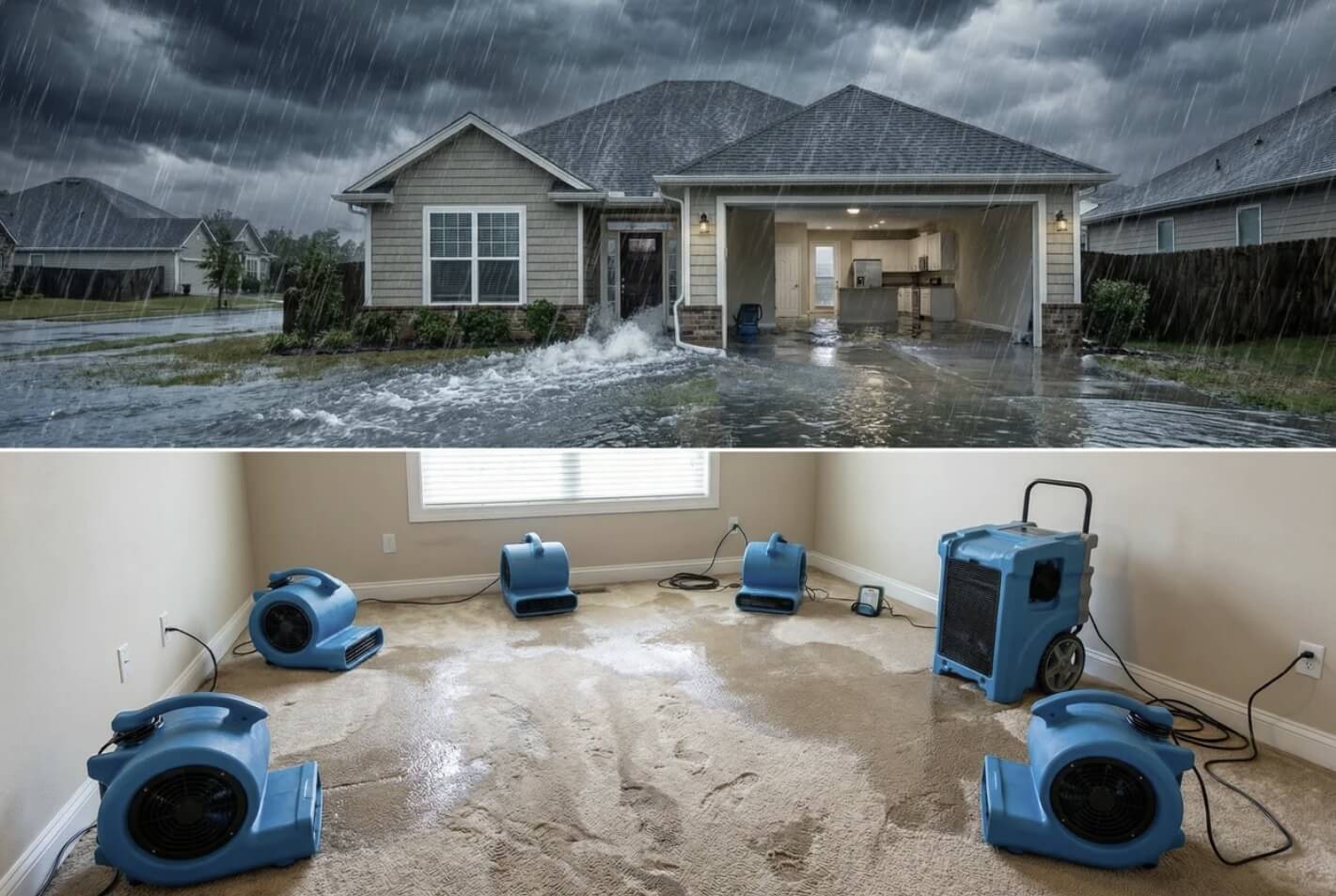
Standard home insurance covers storm damage, including damage from lightning, high winds, hail, cyclones, and rainwater. If a storm damages your roof and rain enters the house as a result, that’s a covered event. If a gutter overflows because of a downpour and water enters through a window, that’s typically covered too.
What matters is the source of the water. Rainwater falling directly from the sky, or running off as a result of storm conditions, is generally treated as storm damage. That’s a very different category to floodwater. See the section below on flood.
Leaks and Burst Pipes
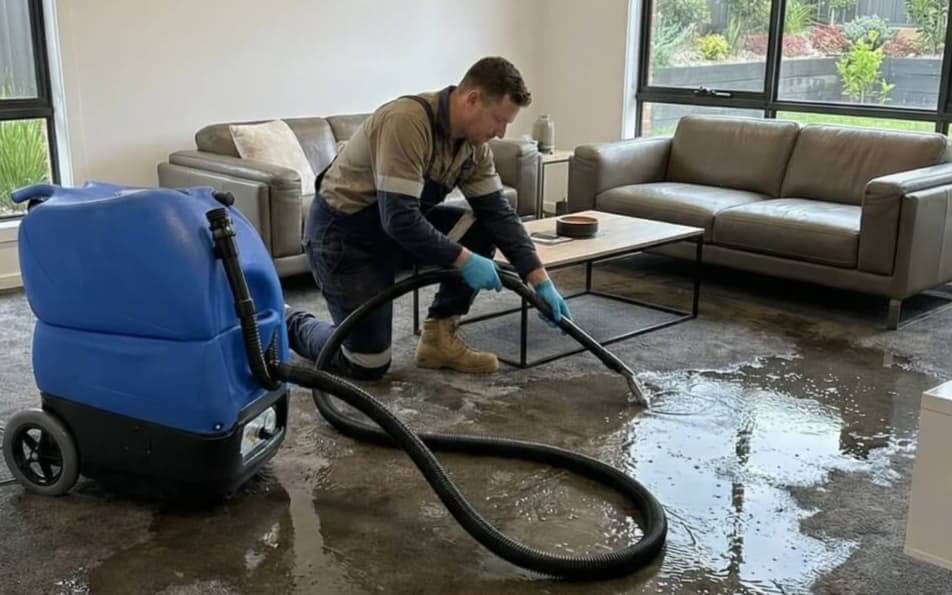
A burst pipe is one of the clearest examples of a covered EOL event. If a hot water system fails, a washing machine hose splits, or a supply line gives way, the water damage to your floors, walls, and contents is generally covered.
One risk that most homeowners overlook: flexi-hoses. Those braided steel hoses under your kitchen sink, behind your dishwasher, and in your laundry are the source of 10% of all home insurance water damage claims in Australia. When they fail (and they do fail, especially after seven to ten years) the damage is significant. Suncorp reports average claims of around $30,000 from burst flexi-hoses, with 6% of those claims exceeding $100,000.
Inspect yours every six months. Look for fraying, rust, kinking, or corrosion. If you see any of those signs, call a licensed plumber.
Shower and Bathroom Leaks
This is where coverage gets narrower. Leaky showers are generally excluded from escape of liquids cover. Shower recess waterproofing that has deteriorated over time is treated as a maintenance issue, not an insurable event. Grout and tile work that allows moisture to seep into walls or subfloors will rarely be covered.
Surface condensation (moisture forming on tiles, glass, or walls due to humidity) is not an insurable event either. It’s worth being clear on the difference: condensation and surface damp are climate-related and reversible. Active water ingress through failed waterproofing is structural and much more serious, but it still may not be covered if the insurer deems it gradual or preventable.
Hidden Damage in Walls and Ceilings
If water has been leaking inside a wall cavity or above a ceiling for weeks or months, the resulting damage can be extensive: rotted timber framing, ruined insulation, crumbling plasterboard, and significant mould growth.
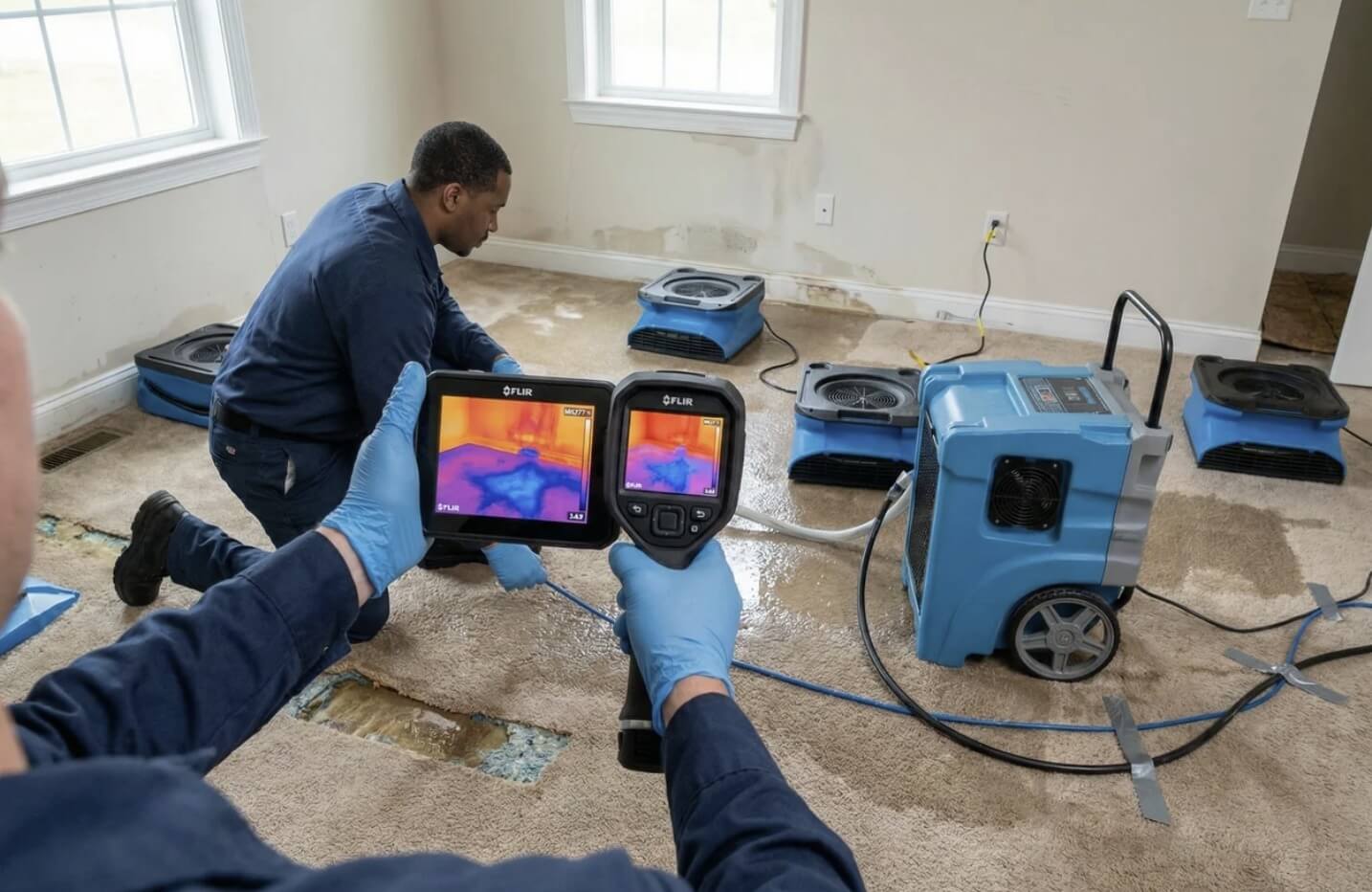
Whether this is covered depends on two things: the original cause of the leak and whether it was reasonably detectable. Most insurers that cover gradual leaks specify they will only do so for hidden leaks, meaning damage not easily visible to a reasonable person. If the leak was behind your kitchen cabinetry and you had no reason to open that space, you have a stronger case. If there was a visible watermark on the ceiling for six months before you investigated, your claim is at much higher risk of being challenged.
Ceiling water damage from a burst pipe above is generally covered. Ceiling damage from a long-running leak you failed to investigate is more likely to be denied.
Mould Resulting from Water Damage
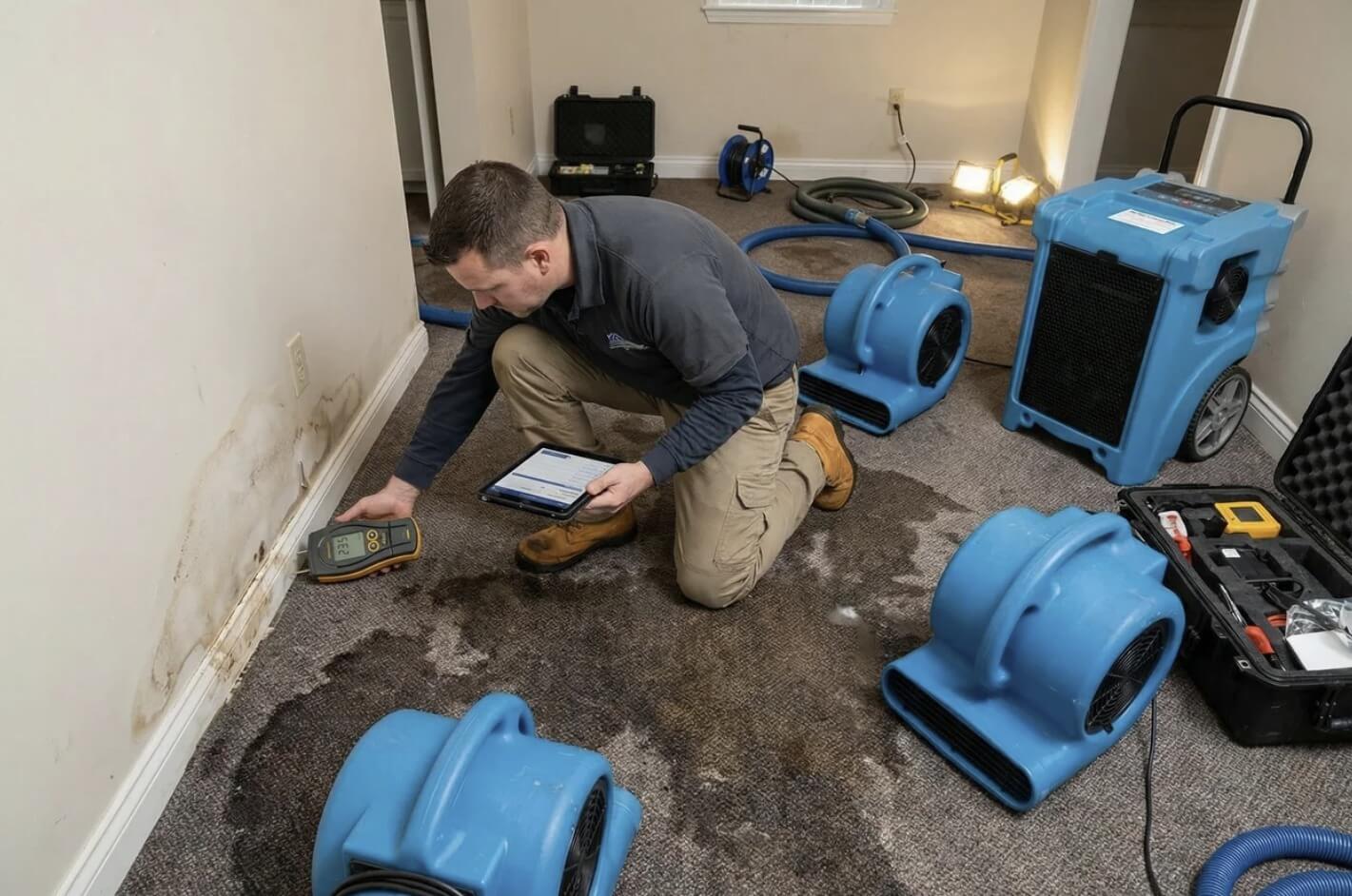
Mould itself is almost universally excluded from home insurance policies. Insurers treat mould as a consequence of moisture conditions, not an insurable event in its own right.
However, if the mould is a direct result of a covered event, such as a burst pipe or storm damage, many insurers will cover mould remediation as part of the broader claim.
A 2026 AFCA (Australian Financial Complaints Authority) case reviewed by CHOICE illustrates how this can play out. A homeowner discovered mould throughout their ground floor after a burst hot water pipe. The insurer initially refused to cover the mould and structural damage, attributing it to pre-existing moisture conditions. AFCA overturned that decision, finding that the damage was caused by the burst pipe. The couple were awarded over $150,000, including temporary accommodation costs.
If you believe mould was caused by a covered event, don’t accept a denial without escalating. Document the timeline carefully. If you need professional assessment, our mould remediation team can help establish the source and extent of the problem.
What Home Insurance Usually Doesn’t Cover
Flood Damage vs. Storm Damage
This is the single most consequential distinction in Australian home insurance, and the one most homeowners misunderstand until they’re sitting across from a loss assessor.
There is a standard legal definition of flood in Australian insurance law. It is: the covering of normally dry land by water that has escaped or been released from the normal confines of any lake, river, creek, or other natural watercourse, or any reservoir, canal, or dam.
In plain language: if the water entered your home from an overflowing creek, a swollen river, or a dam release: that’s flood, and many standard home policies either exclude it or charge additional premiums for it.
Rainwater entering through a hail-damaged roof is storm damage: covered. Rainwater running off your roof into your yard is stormwater runoff, typically covered. Rainwater arriving via an overflowing creek is floodwater, often excluded, or subject to a separate flood policy.
As Moneysmart.gov.au explains, your insurer is legally required to tell you before your policy is issued whether flood cover is included. If they didn’t disclose this, you may have grounds to dispute a denied claim.
Gradual Damage and Lack of Maintenance
Insurers will deny claims where damage occurred slowly over time and where a reasonable homeowner should have noticed and acted. A tap that has dripped for years, a leaking roof valley that has stained your ceiling progressively, a garden hose fitting that has seeped for months: these are maintenance issues, not insurable events.
This matters practically because gradual water damage can look exactly like sudden water damage by the time you discover it. Assessors are trained to look for signs of long-term moisture exposure: staining patterns, timber degradation, mould maturity. Keeping a maintenance record (photos of under-sink spaces, service invoices for plumbing, roof inspections) strengthens your position considerably if a claim is ever disputed.
Pre-Existing Issues
If water damage was present before your current policy started, or if a problem was disclosed during underwriting, the insurer is unlikely to cover it. Pre-existing damage, visible deterioration, or ongoing issues that were known to you are not covered by standard policies.
Can You Claim Water Damage on Home Insurance?
Yes. If the damage meets the conditions your policy requires. Here’s how to approach it.
Steps to Take Before Calling Your Insurer
- Stop the water source first. Know where your mains shut-off valve is (usually near the water meter at the front of your property). Turning the water off quickly after a burst can dramatically reduce the extent of the damage, and a smaller claim is less likely to be scrutinised.
- Document everything before touching it. Take photos and video of all affected areas. Capture the source of the damage if visible: the burst pipe, the failed appliance, the storm damage entry point.
- Preserve the evidence. Don’t throw out damaged items before an assessor has seen them. Insurers need to verify the cause and extent of loss.
- Find your policy documents. Check your Product Disclosure Statement (PDS) for the escape of liquids section. Know whether your policy covers gradual leaks and what the excess is.
- Pull together your maintenance records. Any invoices for plumbing work, roof repairs, or general maintenance show you’ve been maintaining the property. This supports your claim.
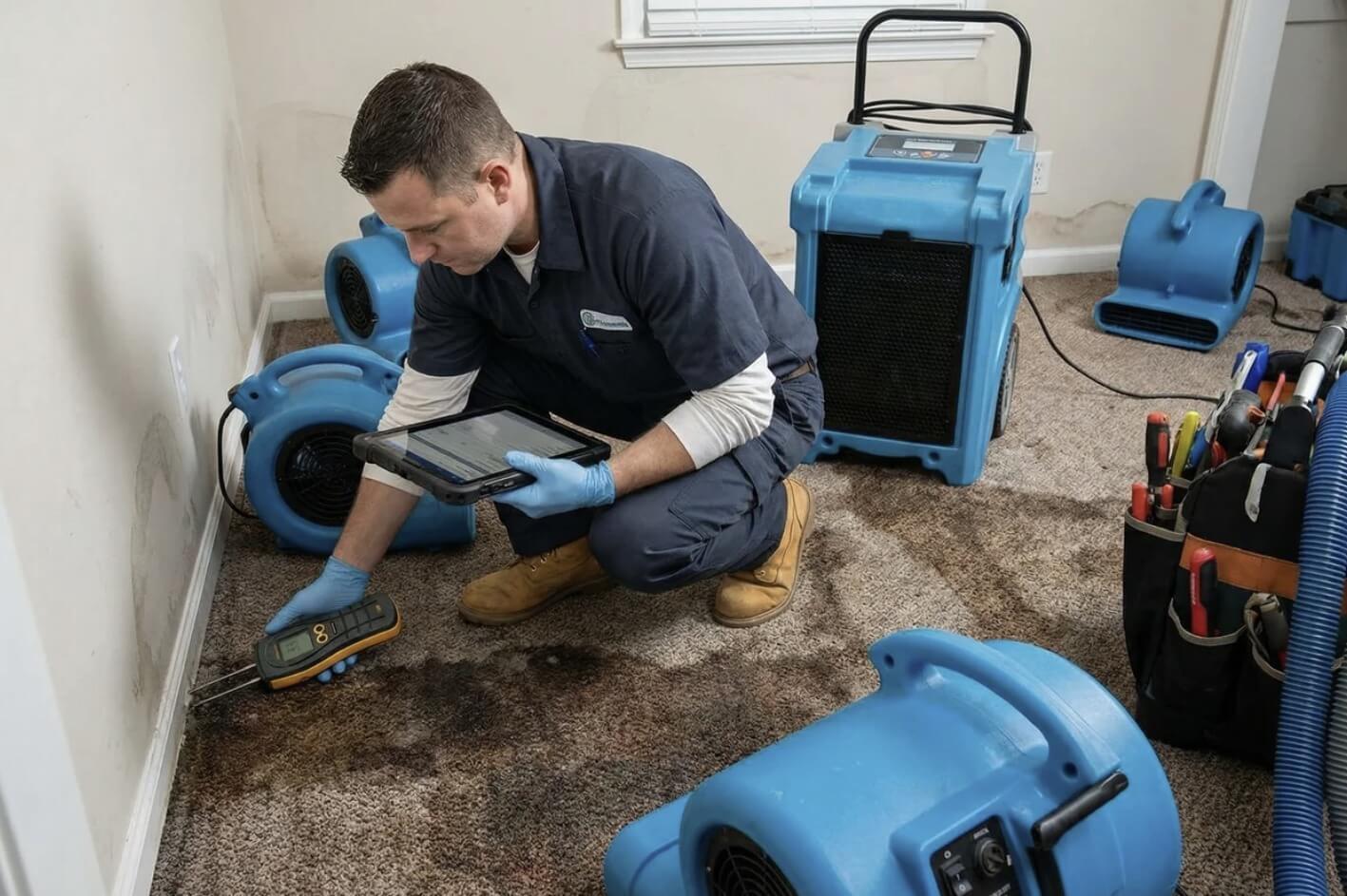
Contact a water damage restoration professional as soon as possible. Prolonged moisture causes secondary damage: mould, timber rot, structural compromise. Acting quickly reduces the total loss and demonstrates to your insurer that you mitigated the damage promptly.
How to Make a Successful Water Leak Insurance Claim
- Be specific about the cause. “Water damage” is not enough. Identify the event: burst pipe, storm damage, failed appliance. This determines which section of your policy applies.
- Get a professional report. A qualified plumber’s report or a water damage assessment confirms the cause and timing of the damage. This is the single most useful document in a disputed claim.
- Submit promptly. Most policies require you to notify your insurer as soon as reasonably practicable after the event. Delays can give the insurer grounds to question the claim.
- Follow up in writing. Keep a record of all conversations with your insurer, including dates and the names of representatives. If a verbal agreement is made, confirm it by email.
- Don’t begin major repairs before the insurer assesses. Emergency repairs to prevent further damage are fine and expected. Full restoration should wait until the scope has been agreed.
Should You Call Your Insurer or a Restoration Company First?
In most cases: both, within a few hours of each other.
Notify your insurer immediately so the claim is on record and the clock starts. A prompt notification also protects you from any suggestion that you delayed and allowed the damage to worsen.
At the same time, contact a restoration company. Standing water, saturated walls, and wet subfloors create conditions for mould growth within 24 to 48 hours. Drying equipment needs to be deployed quickly to prevent secondary damage that may complicate or reduce your claim.
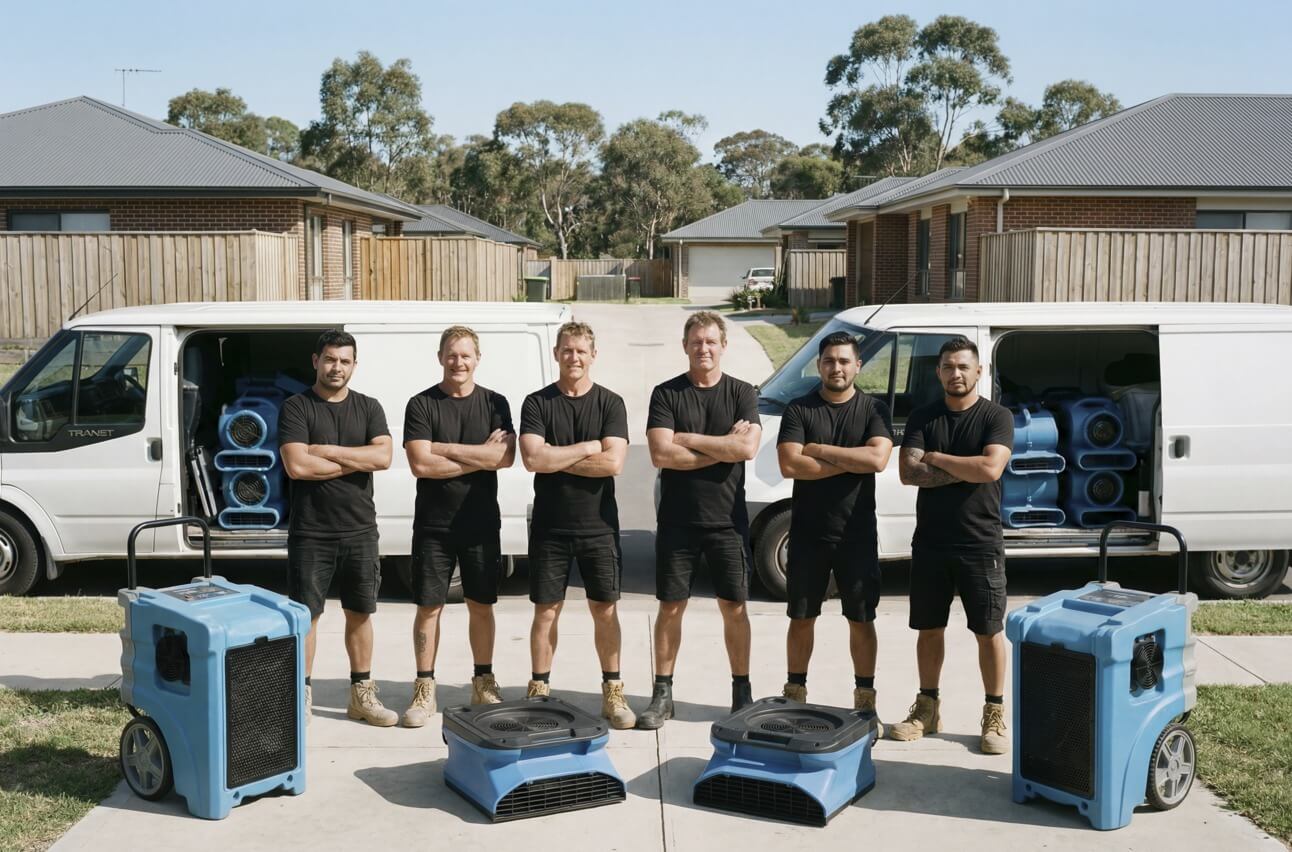
A restoration company with experience in insurance work, like our Flood Services Insurance team, who can document the damage thoroughly, liaise with your insurer’s assessor, and ensure the scope of works reflects the actual loss.
Frequently Asked Questions
Does home insurance cover flooding?
It depends on your policy. Standard home insurance covers storm damage, but flood cover (for water escaping from rivers, creeks, dams, and other waterways) is often a separate add-on or may be excluded entirely. Check your PDS or call your insurer to confirm what your policy includes.
What’s the difference between storm damage and flood damage?
Storm damage is caused by direct weather events: rain entering through a damaged roof, hail breaking a window, wind bringing down a fence. Flood damage is caused by water overflowing from natural waterways or water infrastructure. Your policy may cover one but not the other. Reading your PDS before you need to make a claim is worth the time.
Will making a water damage claim increase my premiums?
Possibly. Insurers in Australia are permitted to increase premiums or adjust cover at renewal based on claims history. The impact varies by insurer, claim size, and the cause of the loss. In some cases, the long-term cost of an increased premium may be lower than the out-of-pocket repair cost, but it’s worth considering both scenarios before lodging a small claim.
What if my claim is denied?
You have several avenues. First, request a formal written explanation of the denial. Then lodge a complaint through your insurer’s internal dispute resolution (IDR) process. They are legally required to have one. If the IDR outcome is unsatisfactory, escalate to the Australian Financial Complaints Authority (AFCA). AFCA is a free, independent dispute resolution service for financial and insurance complaints. Their decisions are binding on insurers, and consumers have successfully overturned denied claims — including significant water damage claims — through this process.