What Is Water Damage Restoration? The Complete Process Guide
Water damage strikes without warning. A burst flexi hose in the dead of night. A storm that overwhelms your drainage. An appliance that fails while you are at work. The aftermath is never convenient. When you stand ankle deep in water, scrolling through your phone, one question cuts through the noise: what is water damage restoration, and what actually happens next?
Here is the short answer. Water damage restoration is the complete process of returning a water damaged property to a safe, dry, and liveable condition. But that crisp definition does not capture the urgency, the precision, or the science involved. Done properly, restoration saves your home from secondary damage that can render it uninsurable and unsafe. Done poorly, it leaves behind a ticking clock of structural decay and mould growth.
Let us walk through everything that matters.
What Is Water Damage and Restoration?
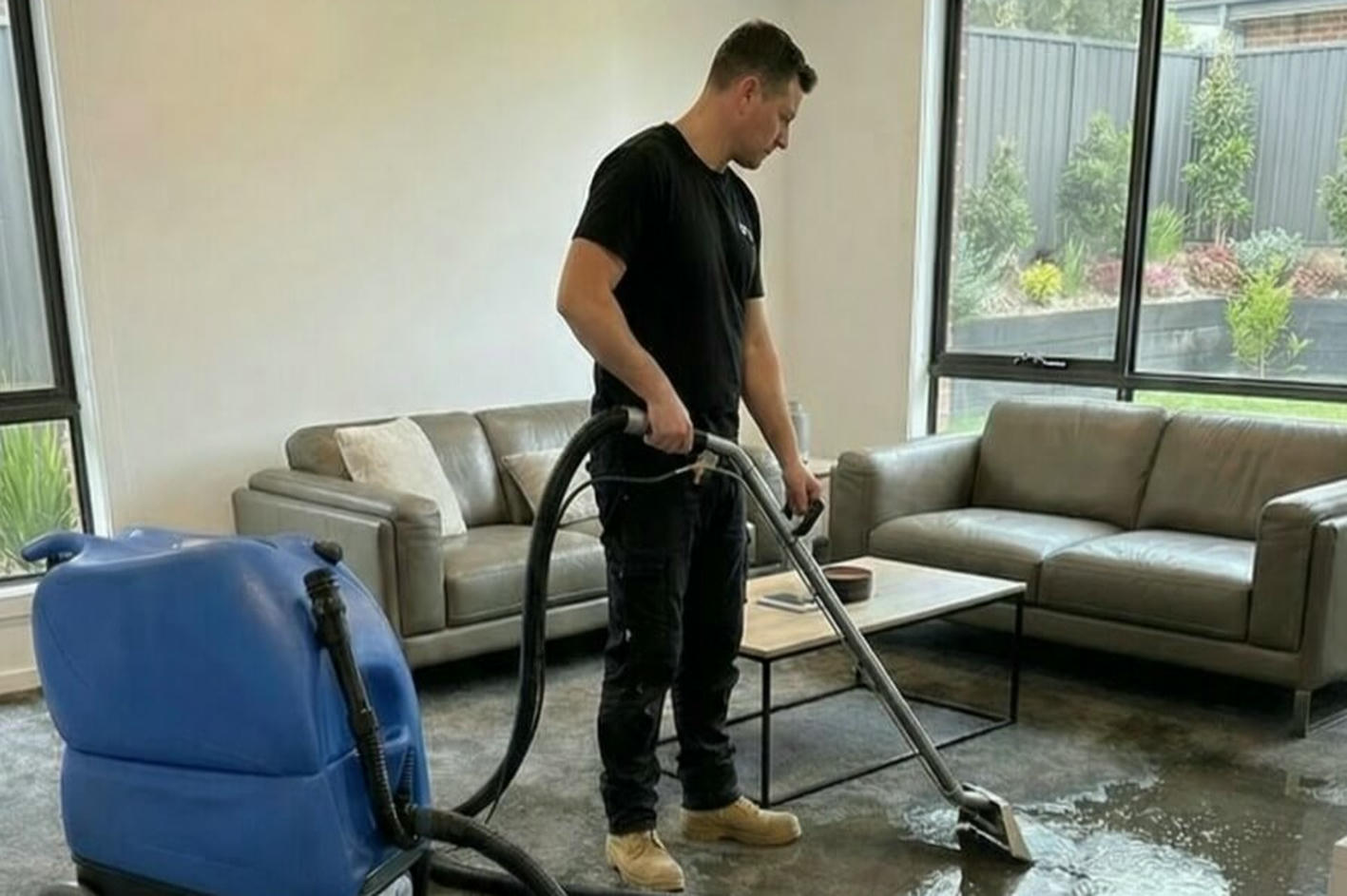
Water damage and restoration covers the full lifecycle of a water event. From the moment water enters your property to the final coat of paint on a repaired ceiling, you face not one action but a sequenced, methodical process: assessment, extraction, drying, sanitising, and rebuilding.
Most homeowners miss a critical distinction. Restoration is not the same as mitigation. Mitigation stops further damage. It is the emergency response that keeps a bad situation from getting worse. Restoration returns your property to pre loss condition. Both matter, but they serve different purposes at different stages.
In Australia, extreme weather events hit more often each year. Our housing stock ranges from Queenslanders on stumps to modern high rise apartments. Water damage restoration must adapt to vastly different building materials, climates, and access conditions. A flooded basement in Melbourne demands different techniques than a storm damaged ceiling in cyclone prone Cairns.
Types of Water Damage: Clean, Grey, and Black Water
Water damage is not all the same. The restoration industry sorts water into three categories, and this sorting shapes every decision that follows.
Clean Water (Category 1) flows from sanitary sources: broken supply lines, tap overflows, or rainwater before it hits the ground. It poses little health risk at first, but do not grow complacent. Clean water left standing for 48 hours turns into Category 2 as bacteria multiply.
Grey Water (Category 2) carries real contamination. Think washing machine overflow, dishwasher discharge, or shower water. It teems with microorganisms that cause illness if you touch or swallow them. This water demands antimicrobial treatment during restoration.
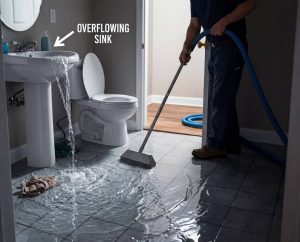
Black Water (Category 3) is grossly contaminated. Sewage backups. Floodwater thick with soil and debris. Toilet overflows carrying faeces. These contain pathogens, heavy metals, and organic waste. Category 3 water forces restoration crews to wear full PPE, use special extraction gear, and often rip out every affected porous material like carpet and underlay. No honest restoration company will tell you that black water soaked carpet can be saved.
Water Damage vs. Flood Damage: What is the Difference?
This distinction matters hugely for insurance claims. Water damage usually starts inside the home: leaking pipes, broken appliances, overflow from indoor plumbing. Flood damage means water pours in from outside: rising rivers, storm surge, heavy rain pooling against external walls.
Standard home and contents policies in Australia generally cover water damage from indoor sources. Flood cover typically comes as an optional extra. Many homeowners in flood prone postcodes find exclusions in their policy that only surface when they file a claim. Always check your PDS carefully.
If your home has flooded from an external source, our guide on what to do when your house floods walks you through the immediate steps to take before help arrives.
Water Damage Restoration Steps: The Complete Process
Water damage restoration steps follow a logical, science backed sequence. Skip a phase, especially drying, and you might save time today while buying expensive trouble within weeks. Here is what proper restoration looks like from start to finish.
Step 1: Emergency Contact and Assessment
A genuine 24/7 restoration company answers the phone at 3 AM and dispatches a crew within hours. The first team on site performs triage. They find the water source, stop it if it still flows, and sort out the category and spread of the damage.
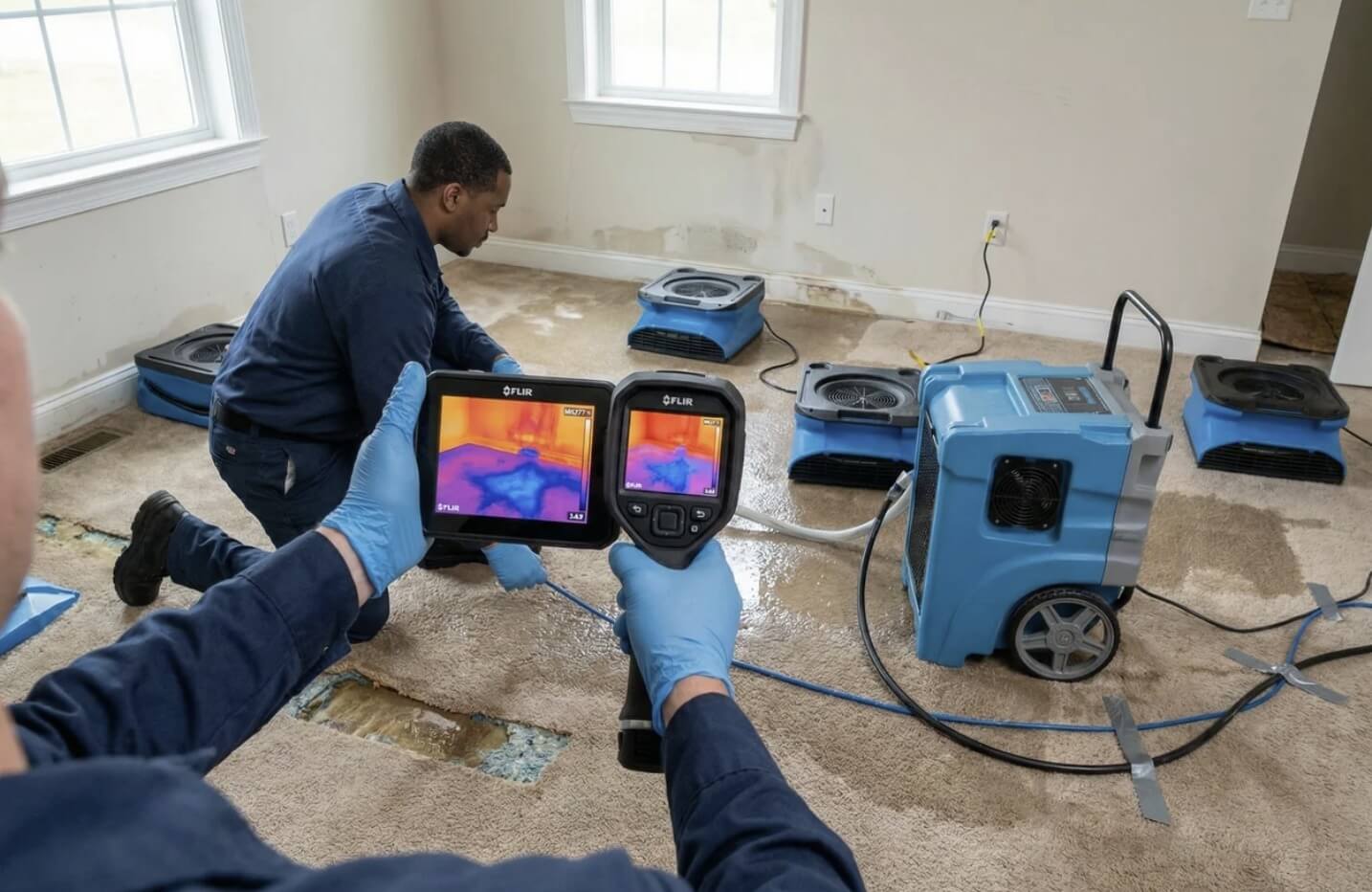
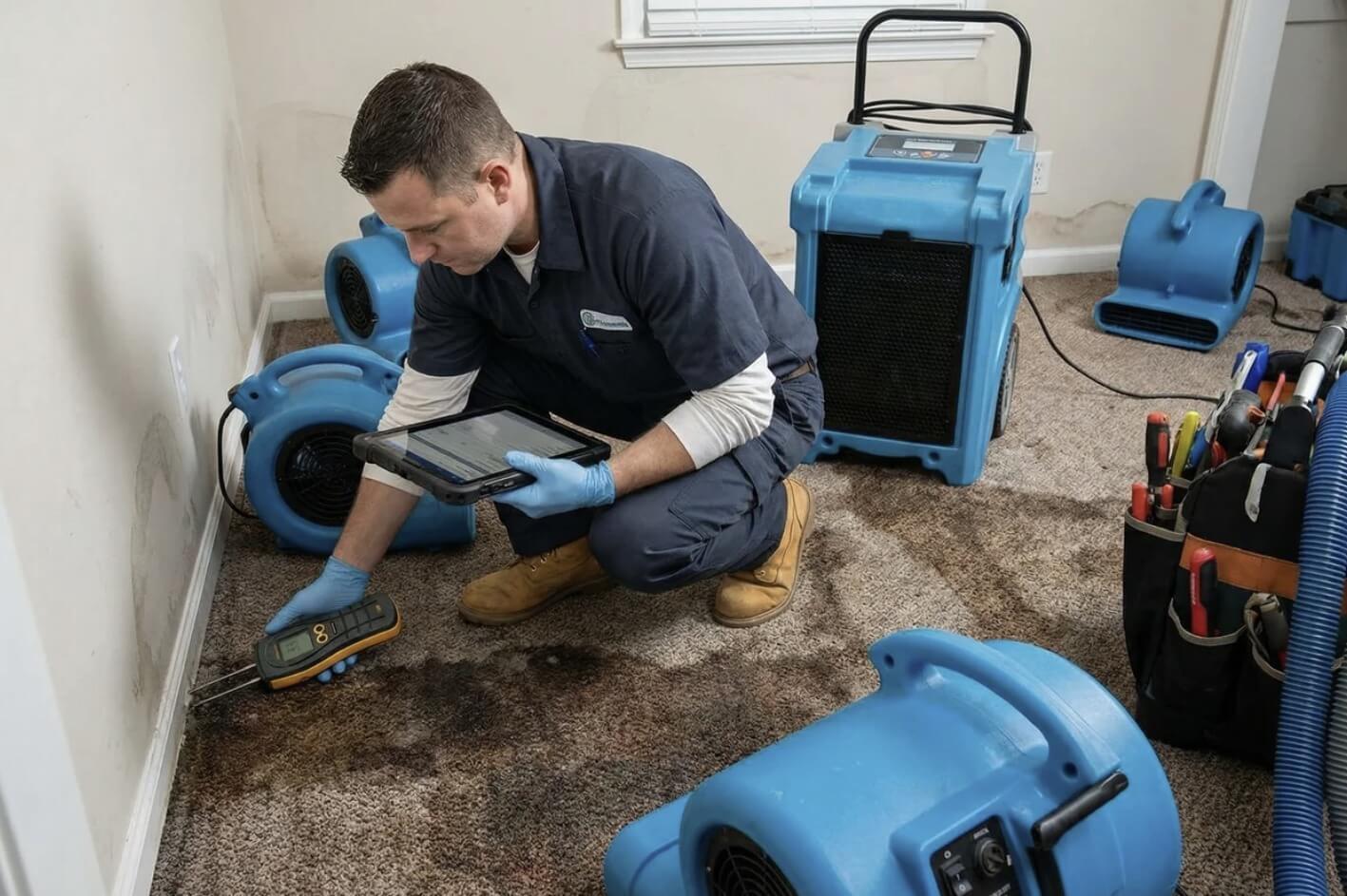
Technicians press moisture meters against walls and floors. They scan behind plasterboard and under cabinets with thermal cameras. They measure room humidity with hygrometers. Then they map the wet area onto a floor plan, photograph everything for your insurer, and build a drying plan that fits your home’s construction. This assessment locks in the scope, the gear needed, and the timeline.
Step 2: Water Extraction and Removal
Standing water migrates. It seeps under walls, slips through subfloor cracks, and creeps into rooms next door. Water extraction must start at once using truck mounted or portable pumps that shift hundreds of litres per minute. For smaller volumes, crews swap submersible pumps for weighted extraction wands that pull water from carpet and underlay.
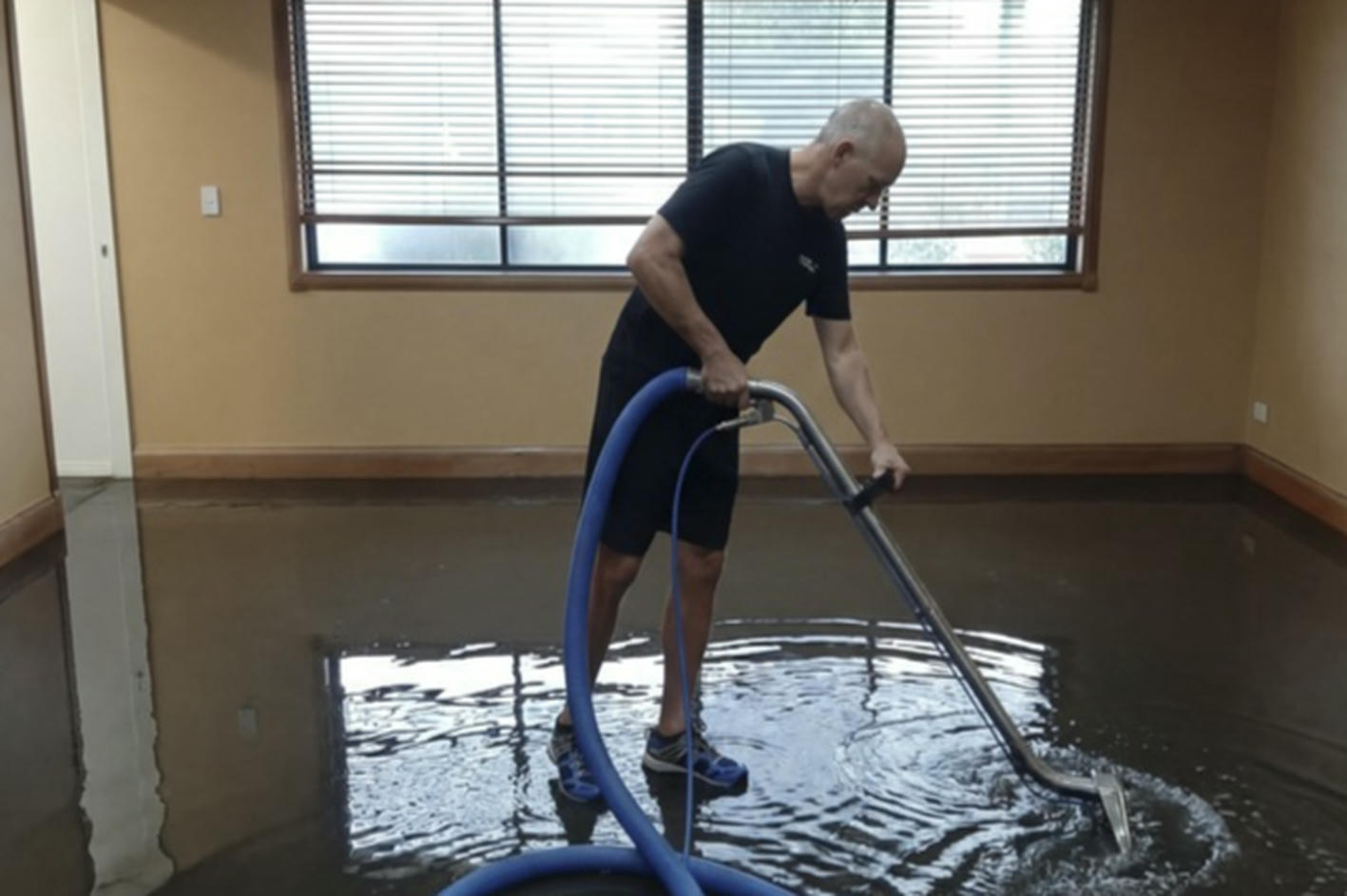
The goal here is not dryness. It is stripping out the bulk water so the drying phase can do its work. A room that sits with standing water for 8 hours instead of 1 hour tacks days onto the full restoration timeline.
Step 3: Drying and Dehumidification
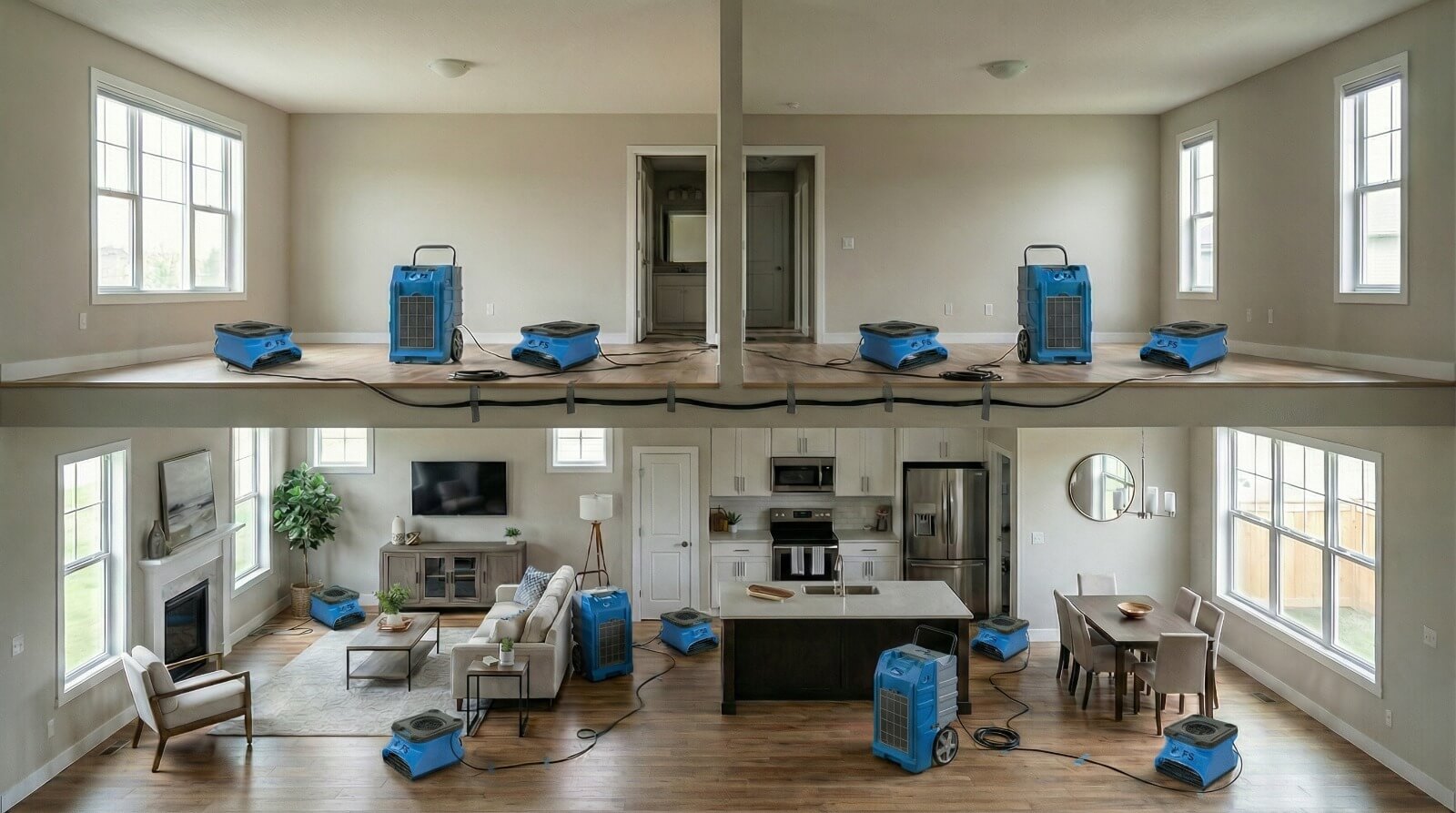
This phase lasts the longest and gets short changed the most often. Industrial air movers blast high speed airflow across walls, floors, and cavities. Commercial dehumidifiers, whether refrigerant or desiccant types, yank moisture from the air without pause. Technicians check moisture readings each day and shift equipment as the numbers drop. Effective structural drying takes patience; pulling the equipment too early guarantees future problems.
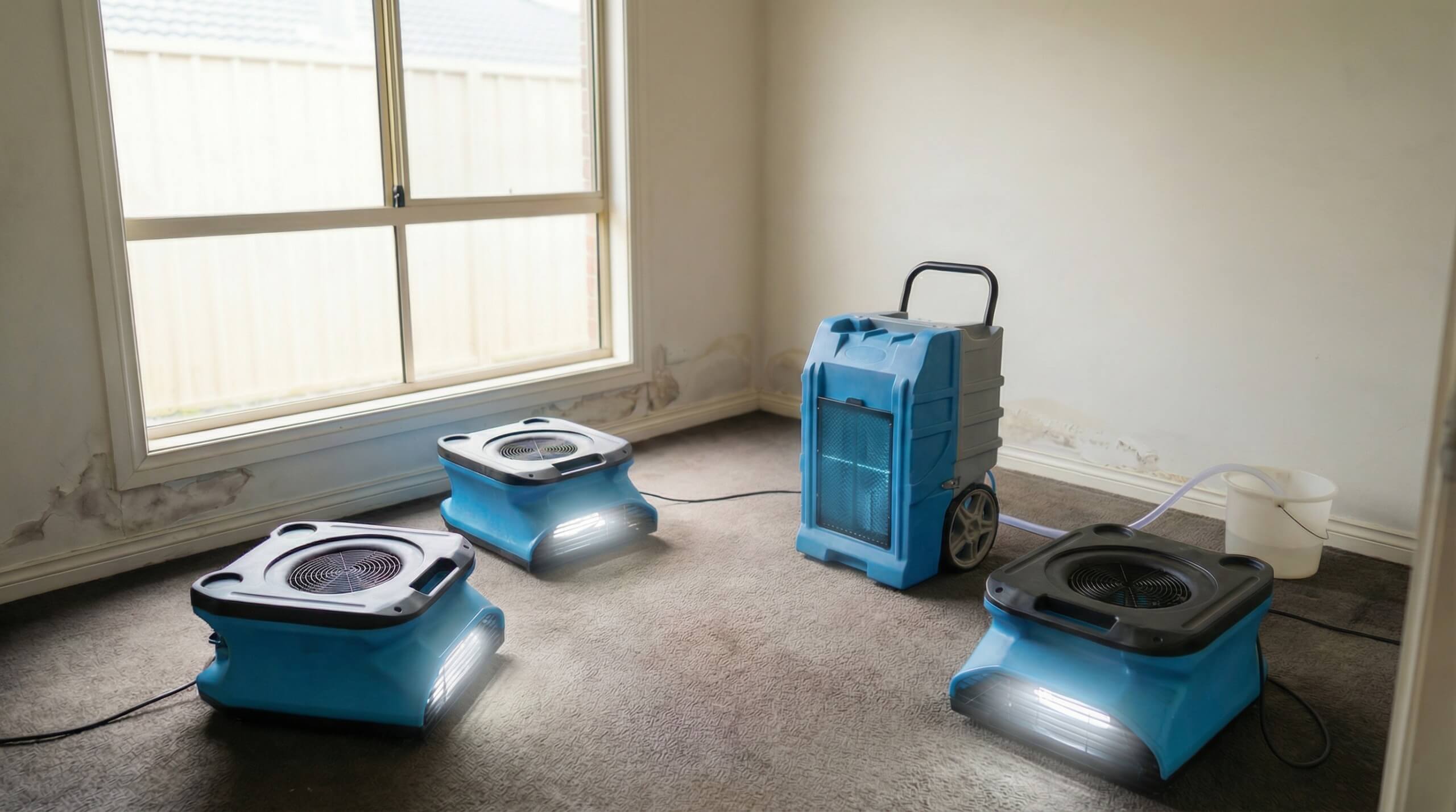
Water that has wicked behind skirting boards or inside wall cavities will not dry through still air. That is where injection drying or targeted cavity ventilation steps in. Plasterboard, timber, and concrete all give up moisture at different speeds. The drying plan must account for the slowest drying material in the affected area.
Step 4: Cleaning and Sanitising
Once materials hit their drying targets, antimicrobial treatments knock down bacteria and fungi. Porous surfaces that sat wet for long stretches receive deep cleaning solutions. Upholstery, curtains, and any soft furnishings worth saving go through steam cleaning or immersion cleaning.
Odour control sits inside this phase. Water damage often leaves musty smells from bacterial activity. Those odours signal incomplete restoration if nobody tackles them head on. Thermal fogging, ozone treatment, or hydroxyl generation may step in depending on the case. A targeted odour control treatment destroys the smell at its source so the air smells clean, not masked.
Step 5: Restoration and Repairs
The final phase puts your home back together. Scope varies widely. Sometimes it means swapping out a section of water damaged skirting board and slapping on fresh paint. Other times it means ripping out and rebuilding a whole kitchen, sanding floors down to bare timber, or drying and treating structural beams. A skilled restoration company handles the full build back so you never need to juggle separate trades.
Fixing Water Damage: DIY vs. Professional Restoration
The line between what you can handle yourself and what demands water restoration professionals is sharper than most people think. It comes down to three things: water volume, water category, and time.
Minor Water Damage You Can Fix Yourself
A clean water spill from an overflowing sink that you catch straight away? You might manage that. Here is what “manageable” really means.
You must extract all standing water within minutes, not hours. You must run commercial air movers and dehumidifiers within 2 hours, not a pedestal fan dragged from the bedroom. You must log moisture readings below 15% on timber and below 8% on plasterboard before you call it done. Most homes do not stock moisture meters or commercial drying gear.
Small, contained spills where you saw the whole event and know for certain the water ran clean? Rent industrial drying equipment, track progress with a meter, and do not lay flooring or install cabinetry until you hold verified dry readings in your hand.
When to Call a Professional Water Restoration Service
Pick up the phone now if any of these ring true:
- Water covers more than 1 square metre.
- Water sat for longer than 2 hours.
- The water is grey or black.
- Water has wicked into walls or under cabinets.
- You catch musty smells days after the event.
- Electrical outlets or wiring got wet.
- The water came from a sewer or a flood outside.
Professional water restoration crews carry IICRC certification, the gold standard recognised worldwide. They run commercial gear that shifts 2,400 litres of air per second. That sits orders of magnitude beyond anything a hardware shop rental delivers. More to the point, they document every phase so your insurance claim holds up. That paperwork can split the difference between an approved claim and a denied one.
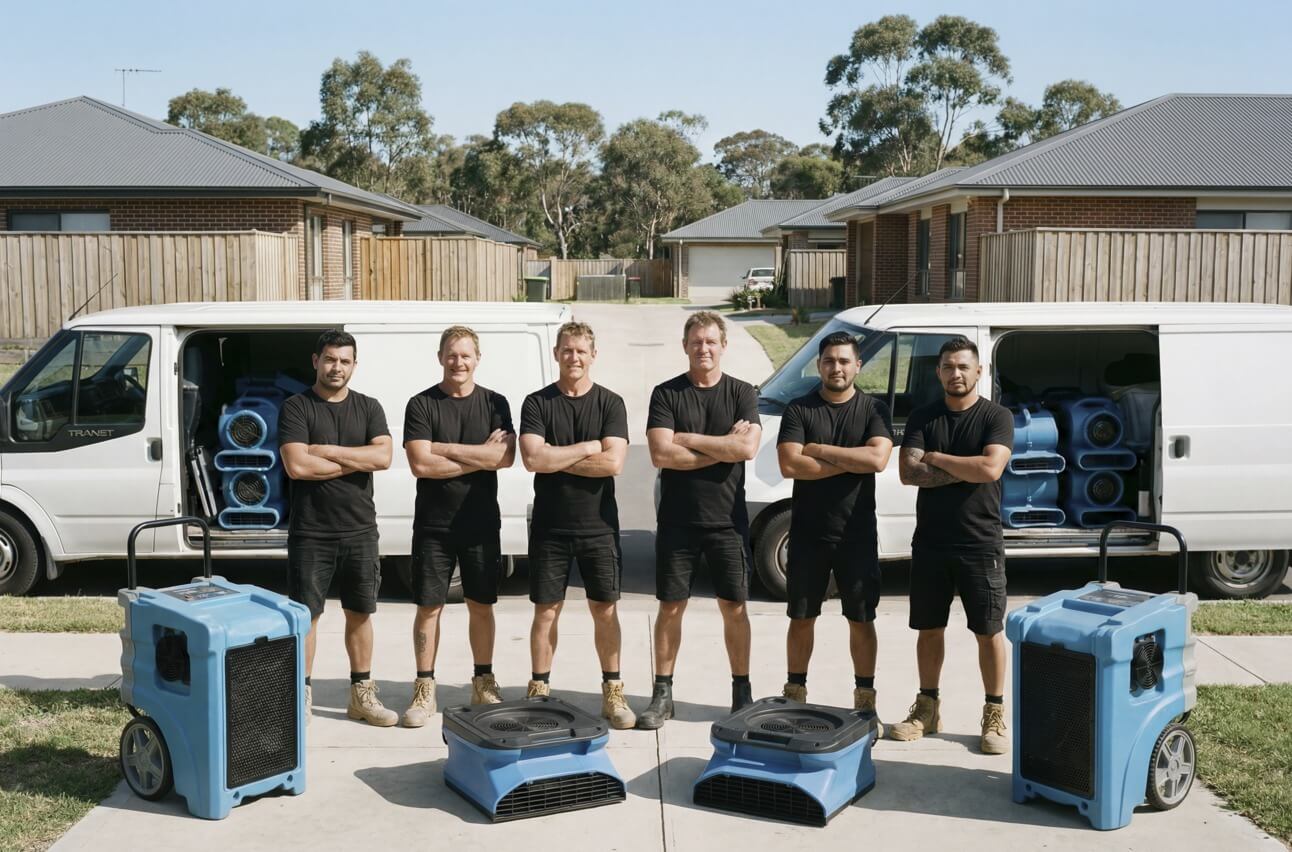
If you face a water emergency in Brisbane or South East Queensland, our storm and flood restoration team runs 24/7 with full scale extraction and drying capability.
Water Damage Carpet Drying: What You Need to Know
Carpet is one of the most forgiving and most deceptive materials in any water damage scene. Water damage carpet drying forces you to look past the surface you can see and understand what hides underneath.
Can Wet Carpet Be Saved?
The answer hangs entirely on the water category and how long the carpet sat wet. Clean water on synthetic carpet, extracted and dried within 4 to 6 hours? You have excellent salvage odds. The same carpet sitting wet overnight? The underlay is nearly always ruined, and the subfloor beneath it too.
Carpet soaked in grey or black water cannot come back safely or affordably. The filth trapped in the fibres and underlay defies proper cleaning. Any company that offers to “clean and dry” black water damaged carpet is not following Australian restoration standards.
Drying carpet that can be saved takes extraction passes with weighted wands, lifting edges to shove air movers underneath, and running dehumidifiers to pull moisture from the subfloor. Rush this job and you warp timber subfloors and grow mould under the carpet where nobody sees it until the smell gives it away. Our detailed guide on how to dry wet carpet quickly lays out the steps a homeowner can take. But for anything larger than a glass of water spilt and blotted straight away, call in professional drying.
Hardwood, Tile, and Laminate Flooring After Water Damage
Hardwood swells and cups when it soaks up water. Whether sanding can flatten it again depends on how much moisture the wood drank and how slowly crews dried it. Slow, controlled drying with hardwood specific mat systems delivers the best shot at saving the floor. Tile sheds water easily, but the substrate beneath it (cement sheet, plywood) does not. Water trapped under tiles loosens the bond, warps the floor, and breeds mould in the dark. Laminate and engineered flooring almost always need replacing after real water exposure. The fibreboard core crumbles when saturated and no amount of drying restores it.
Water Damage Ceiling: Signs, Causes, and Fixes
A water damage ceiling call ranks among the most common jobs we handle. These cases stand apart because gravity pulls water downward, spreading it through cavities while adding the risk that the ceiling simply lets go and collapses.
Identifying Ceiling Water Damage Early
Ceilings warn you before they fail, but you need to know what to look for. Dark patches or stains that spread over hours or days point to active moisture. Any sagging, even slight, tells you the plasterboard has drunk a lot of water and lost its strength. Bubbling or peeling paint, earthy smells, and dripping sounds above bulkheads all sound early alarms.
The water source might sit right above the stain: a leaking roof, failed waterproofing in the bathroom upstairs. Or the water might travel along beams and conduits from metres away. A brown stain on a ground floor ceiling can start from a leaking pipe in a second storey bathroom, with water tracking along timber for days before anyone spots it.
How to Fix a Water Damaged Ceiling
A small stain on dry substrate might need nothing more than a stain blocking primer and a repaint. Most water damaged ceilings need more. The crew cuts out the wet section, swaps in fresh insulation, checks and dries the framing, then hangs, plasters, and paints new plasterboard. If water sat for over 48 hours, the cavity above the ceiling becomes a mould risk zone. It likely needs antimicrobial fogging or treatment.
Before any ceiling repair starts, the crew must find and fix the water source. Restorers who patch a ceiling without stopping the leak are selling a quick cosmetic fix, not real restoration.
Water Damage Remediation: Preventing Mould and Structural Issues
Water damage remediation zeros in on one goal: removing contamination, stopping mould, and making the space safe to occupy. It runs alongside the drying and rebuilding work but sharpens the focus on health and safety.
Signs of Hidden Water Damage
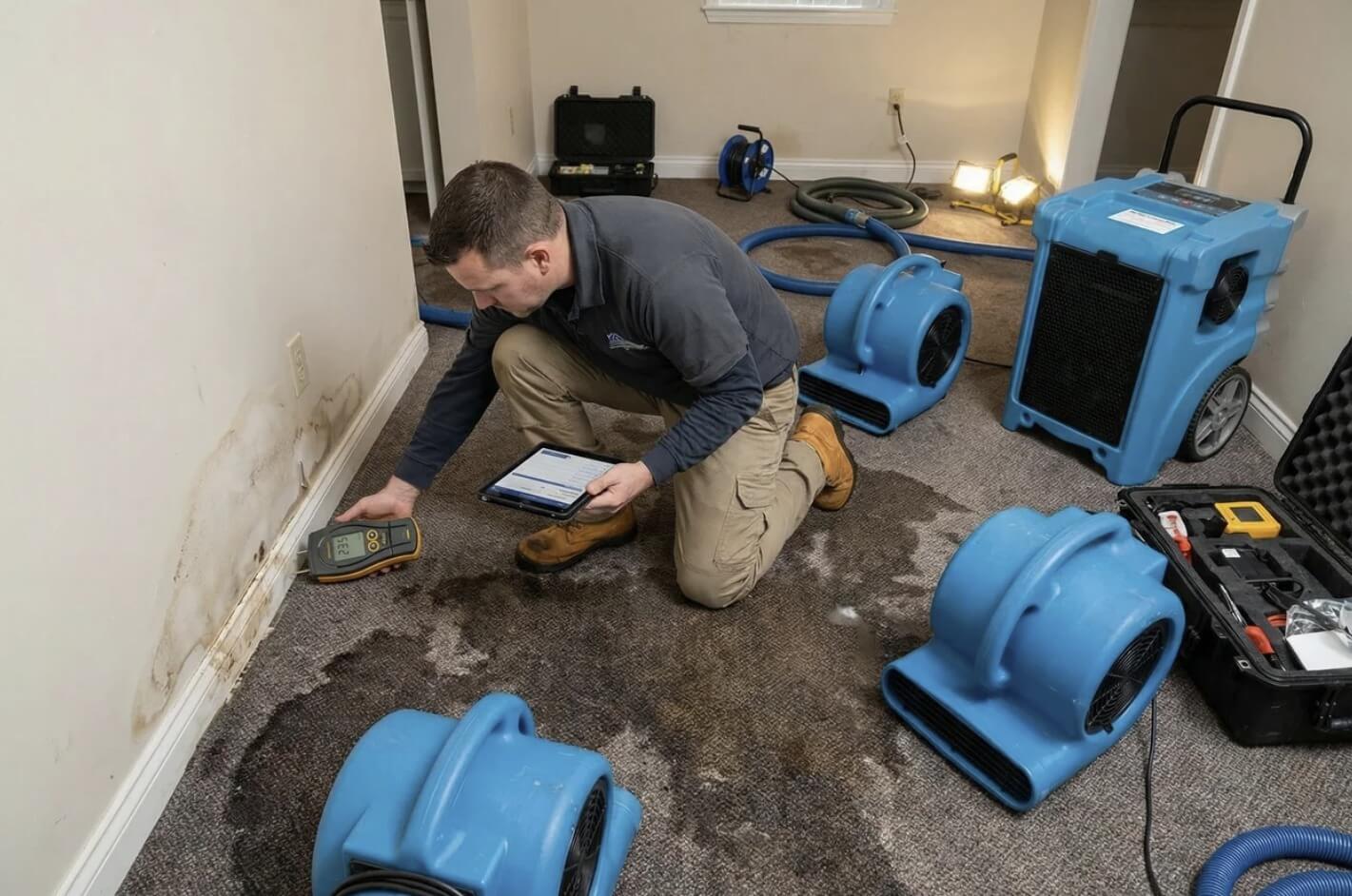
Water does not always show itself. Persistent musty or earthy smells that survive every cleaning attempt point the finger at hidden moisture. Unexplained allergy flare ups among the people living there, skirting boards pulling away from the wall, cabinet bases swelling, floor tiles suddenly lifting, paint that bubbles up again and again in the same spot even after repainting. All these clues whisper that water hides somewhere it should not be.
Mould Prevention After Water Damage
Mould needs three things: moisture, organic food (like timber or plasterboard), and time. It sets up shop within 24 to 48 hours and shows itself to the naked eye in 3 to 12 days. The prevention playbook reads simply but proves hard to execute: dry everything within that 48 hour window, treat wet surfaces with antimicrobial agents, and check with moisture meters that no hidden damp spots remain.
Professionals pull this off with aggressive drying, cavity monitoring, and checks after the job finishes. If mould has already dug in, containing and removing it calls for separate skills. Our mould remediation service tackles active infestations with negative air pressure containment, HEPA filtration, and full clearance testing.
Odour often sticks around longer than the moisture itself. Stubborn smells hint that the drying fell short or mould hides somewhere unseen. Our guide on how to get smells out of carpet after water damage walks through the chemical and physical methods that work when simple deodorising fails.
Frequently Asked Questions
What is the difference between water damage restoration and water mitigation?
Mitigation comes first and stops more damage from piling on: pumping out standing water, tarping a torn roof, boarding up broken windows. Restoration is the complete trip back to pre loss condition: drying, cleaning, repairs, and rebuilding. Mitigation is the emergency stop. Restoration is the full fix. Most companies do both, but the difference matters when you fill out insurance paperwork.
How long does water damage restoration take?
A small, clean water spill in one room usually takes 3 to 5 days, including drying and small repairs. Moderate damage across several rooms or grey water situations generally runs 5 to 10 days. Heavy damage that needs structural drying, mould removal, or big rebuild work can stretch from 2 to 6 weeks. Drying eats most of that time. Once materials truly dry out, fixing them moves fast.
Can I stay in my home during water damage restoration?
For small jobs in rooms you can seal off, yes, as long as containment barriers split the work zone from your living space. For Category 3 water events or large mould jobs, plan on staying elsewhere for a while. The contamination risk and the constant roar of industrial gear make living there impractical.
Does home insurance cover water damage restoration?
Most Australian home and contents policies cover sudden and accidental water damage from indoor sources like burst pipes or broken appliances. Gradual damage from slow leaks sits outside standard cover. Flood cover depends on your policy. Check your certificate of insurance. Photograph everything before any cleanup starts and keep every trades invoice.
How much does water damage restoration cost?
Cost depends on how far the water travelled and what it touched. A small, contained clean water spill might cost a few thousand dollars to dry and patch. A room level job with wet walls, damaged flooring, and some rebuilding pushes higher. A whole floor affected by grey or black water, needing structural drying, cabinetry replacement, and full sanitisation, runs into the tens of thousands. Each property throws up its own variables that shape the final scope.
Water damage restoration comes down to one thing: time. The quicker you move, the more you save, the less you replace, and the lower the final bill lands. Understanding the process means you act fast when water breaks into your home. And that speed saves you thousands in avoided secondary damage.