How to Get Smells Out of Carpet: The Complete Deodorizing Guide
Your carpet should feel like a soft, welcoming foundation for your home, not the source of an embarrassing smell that hits you the moment you walk through the door. When carpet stinks, it changes how you feel about your entire living space. You stop inviting friends over. You become nose-blind in some rooms and hyper-aware in others. It’s exhausting.
At Flood Services Brisbane, we’ve walked into hundreds of homes where homeowners had tried everything. They’d masked, scrubbed, and prayed the odour away. What they lacked wasn’t effort. It was sequence. The right method, in the right order, makes all the difference.
This guide gives you exactly that: a complete framework to eliminate carpet odors, whether they come from a spilled glass of water that sat too long, a flooding event, or years of humidity pressed into the underlay. We’ll cover DIY solutions, the products that actually work, and the moment you should stop experimenting and call a professional. By the end, you will know exactly how to remove smell from carpet and stop it from coming back.
Why Your Carpet Smells After Water Damage
Water damage is sneaky. You mop up the surface, run a few fans, feel the fibres with your palm, and convince yourself it’s dry. But days later, the smell arrives. Not fresh. Not earthy. Something sharper. That’s the biology waking up beneath your feet.
Common Causes: Dampness, Mould, and Mildew
When moisture penetrates beyond the carpet backing and into the underlay, you’ve created a perfect incubation chamber: dark, warm, and wet. Within 24 to 48 hours, mould spores and mildew bacteria begin multiplying. These microorganisms release volatile organic compounds as they feed on organic matter trapped in the carpet: dead skin cells, dust, spilled food particles.
The result? That unmistakable damp, musty smell that tells you something is actively growing.
In Brisbane’s subtropical climate, the timeline accelerates. High ambient humidity means carpet underlay can stay wet for weeks without intervention, even when the surface feels bone-dry.
Why the Smell Lingers Even After Drying
Here’s what most people miss: the odour molecules produced by mould and bacteria are proteins and gases that bond directly to carpet fibres. Drying the water out doesn’t remove them. Think of it like spilling milk on a jumper. Even after it dries, the residue remains. You need to break down those odour-causing compounds, not just remove the moisture that enabled them.
This is exactly why surface sprays and quick-fix carpet powders fail so often in the long run. You’re addressing the symptom, not the source.
How to Get Rid of Carpet Smell: DIY Methods That Work
Before you spend money on commercial carpet odour remover products, start with what’s already in your pantry. These methods work reliably when the odour is surface-level and hasn’t penetrated into the underlay.
Baking Soda Treatment for Carpet Odors
Sodium bicarbonate remains the most accessible weapon in your deodorising arsenal. It doesn’t mask smells like artificial fragrances do. It chemically neutralises them. Baking soda is amphoteric, meaning it reacts with both acidic and alkaline odour molecules to render them odourless.
How to do it right:
- Vacuum the affected area thoroughly first. You want the baking soda in contact with carpet fibres, not sitting on a layer of dust.
- Sprinkle baking soda generously. Don’t be stingy. A fine, even layer works far better than thick clumps.
- Work it in gently with a soft brush or your hand. You want the powder to reach the base of the fibres.
- Let it sit for a minimum of six hours. Overnight is better. For stubborn smells, give it a full 24 hours.
- Vacuum slowly. One pass won’t cut it. Go over the area multiple times from different directions.
This method is gentle enough for wool carpets and pet-safe. If your carpet stinks after the first round, repeat the process before escalating to liquids.
Vinegar and Water Solution
White vinegar is a mild acid that breaks down alkaline odour molecules, and it is particularly effective against mould and mildew smells. It also has antibacterial properties that help address the biological source.
The correct ratio: one part distilled white vinegar to two parts water. Stronger isn’t better. Too much acidity can damage natural fibres or fade dyes.
Critical warning: test on an inconspicuous area first. Some carpet dyes, particularly in older homes, react unpredictably to acid.
Application:
- Lightly mist the area with a spray bottle. The goal is damp, not saturated. Over-wetting reactivates the problem you’re trying to solve.
- Let it air dry completely. The vinegar smell will dissipate as it dries, taking the unpleasant odours with it.
- Open windows and run fans. Trapped humidity extends drying time.
This is one of the most reliable answers when people ask how do you get smells out of carpet without harsh chemicals.
Hydrogen Peroxide for Stubborn Smells
For set-in biological stains and the odours they leave behind (pet accidents, old spills), hydrogen peroxide (3% solution) breaks down organic matter through oxidation. It’s stronger than vinegar and carries more risk, so use it selectively on specific problem spots rather than broad areas.
Spray lightly, blot after 10 minutes, and allow the area to dry completely. Never mix hydrogen peroxide with vinegar in the same application. The combination creates peracetic acid, which is corrosive and harmful to breathe.
Steam Cleaning to Eliminate Carpet Odors
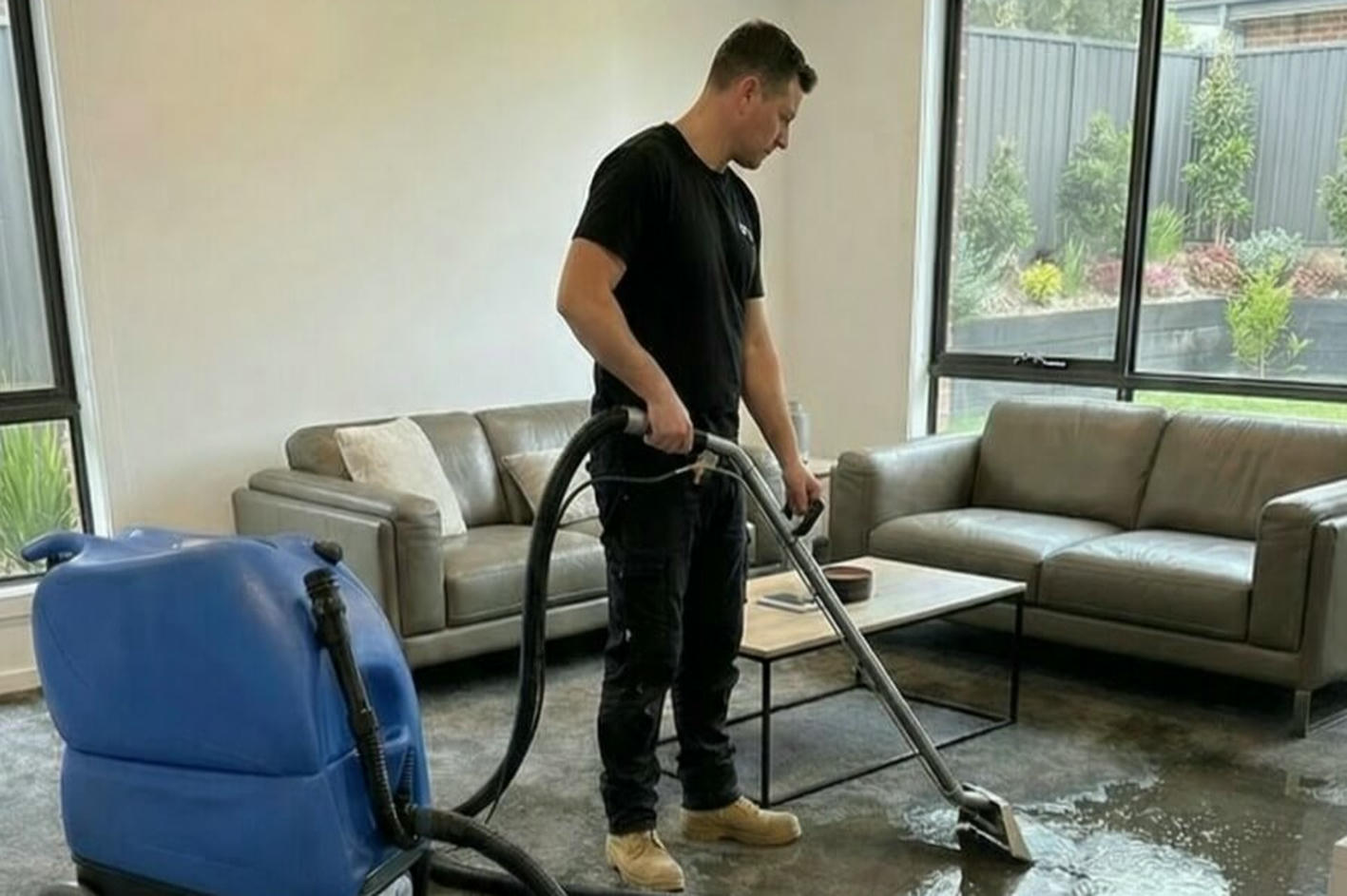
Steam cleaning uses hot water extraction to reach deeper into carpet fibres than surface treatments can. The high temperature kills bacteria and mould spores, while the extraction removes the dead material and dissolved odour compounds.
You can hire a machine from most hardware stores in Australia, but the drying process matters enormously. Run your air conditioning on dry mode afterward. Use pedestal fans directed across the carpet surface. In winter or wet weather, a dehumidifier is non-negotiable.
A carpet that stays damp for more than eight hours after steam cleaning will likely smell worse than when you started.
How to Remove Odor from Wet Carpet Specifically
This is the most urgent scenario. Whether from a burst pipe, storm flooding, or an overflowing appliance, wet carpet is a ticking clock. Every hour that passes increases the bacterial load and the likelihood of permanent damage.
Drying First: Why Wet Carpet Must Be Fully Dry
You cannot effectively deodorise a carpet that still holds moisture. The odour you’re detecting is actively being produced. Any treatment applied to a wet surface gets diluted and sits uselessly while the bacteria continue multiplying beneath it.
The non-negotiable sequence:
- Extract standing water immediately using a wet vacuum or pump.
- Lift the carpet from the tack strips if possible. Air must circulate underneath.
- Position high-velocity fans across the surface and at the edges where air can reach the underlay.
- Run a commercial-grade dehumidifier. Household units won’t keep up in a genuine water damage situation.
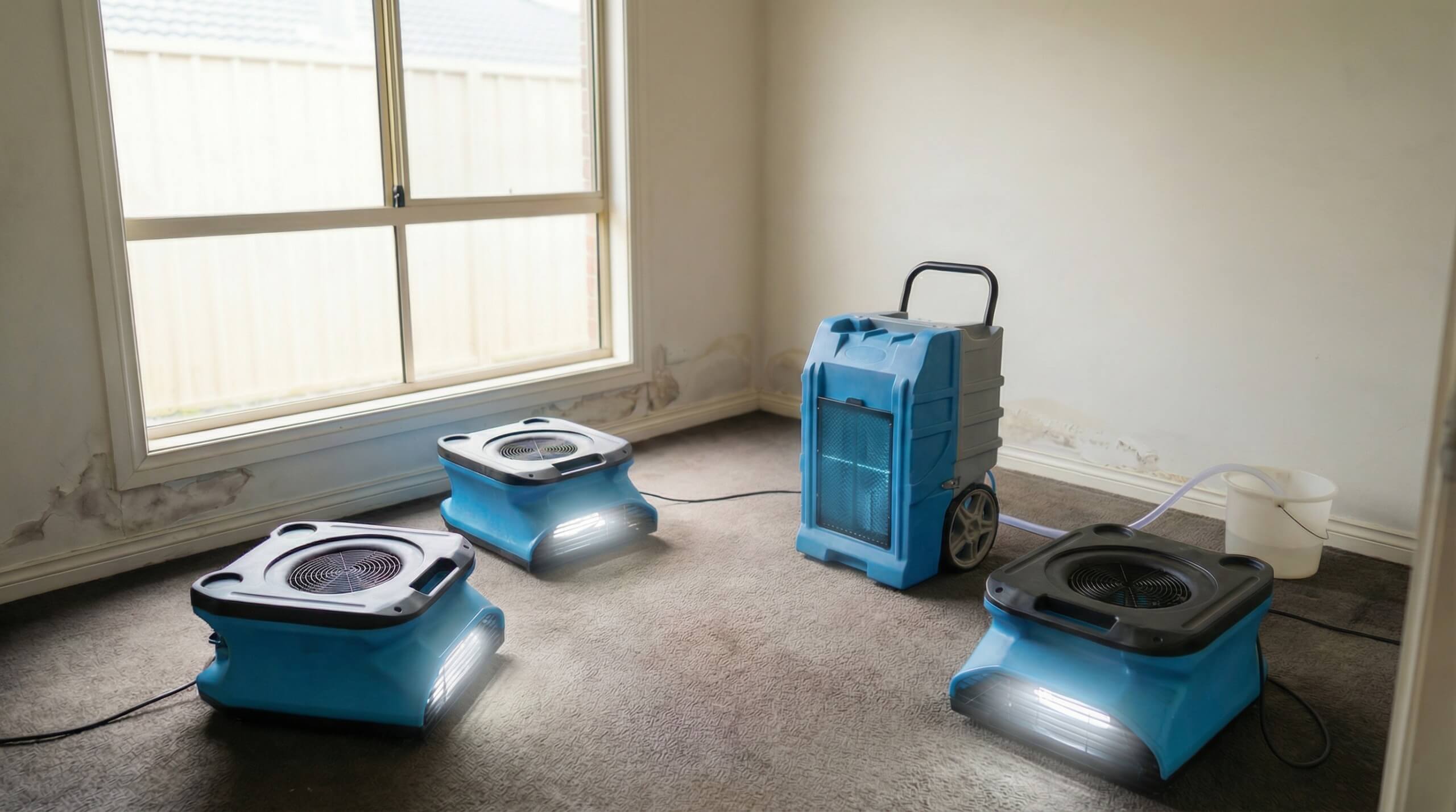
Drying carpet correctly takes more than patience. It takes the right equipment and the right sequence. For a complete step-by-step breakdown, read our guide on how to dry wet carpet quickly and prevent secondary damage before it starts.
How to Get Rid of Wet Smell in Carpet
Once the carpet is genuinely dry to touch (not cool, not “almost there,” but dry), the wet smell often comes from bacterial residue left in the fibres. Here’s your protocol:
- Vacuum aggressively to lift any silt or dirt deposited by the water.
- Apply a vinegar solution mist (the 1:2 ratio mentioned above) across the entire affected area.
- Allow to dry, then follow with baking soda overnight.
- Vacuum again.
If the odour returns within 48 hours, the moisture wasn’t fully eliminated, and you may be dealing with an underlay problem. For additional guidance, see our article on dealing with odour from soaked carpet.
How to Get Rid of Damp Carpet Smell
A damp carpet smell that persists in dry conditions usually signals that the underlay never dried properly. Underlay is essentially a sponge. Once saturated, it can hold moisture for weeks inside a climate-controlled home. In humid conditions, it may never fully dry without mechanical intervention.
Treating the Underlay and Subfloor
Lift a corner of the carpet in an inconspicuous area. Inside a wardrobe is ideal. Feel the underlay. If it’s damp, crumbly, or smells more intense when you’re close to it, the problem has gone beyond DIY. The underlay likely needs replacement.
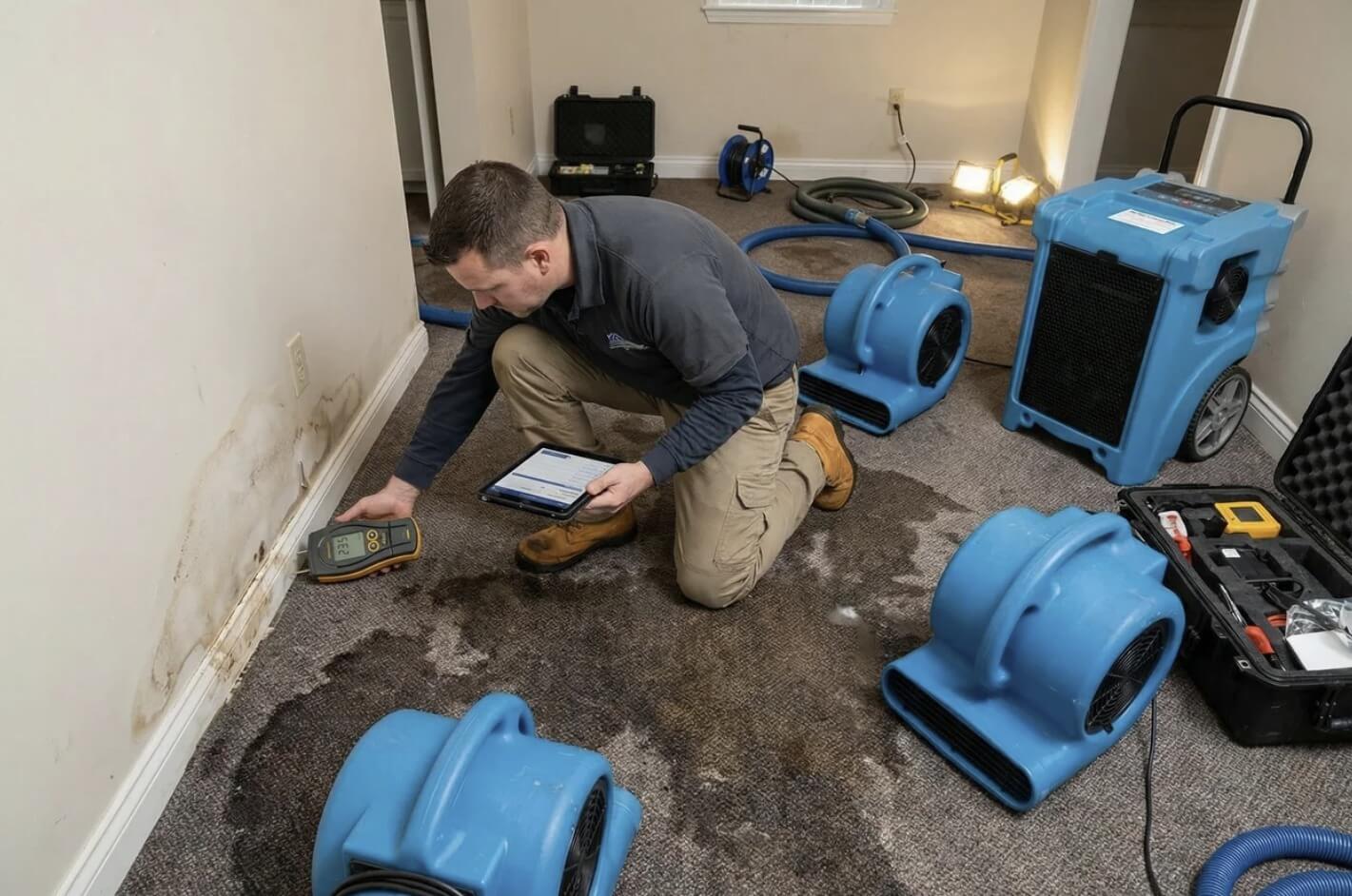
If the subfloor (the structural surface beneath the underlay) is concrete, it should be cleaned with an antimicrobial solution before new underlay goes down. If it’s timber or particleboard, check for swelling, discolouration, or softness that indicates rot. When mould has taken hold beneath your carpet, deodorising the surface will never be enough. Professional mould remediation addresses the root cause before it spreads further.
Best Carpet Odor Removers and Products
When household remedies can’t break through, it’s time to be more targeted.
Enzymatic Cleaners vs. Chemical Deodorizers
Enzymatic cleaners use beneficial bacteria to digest organic waste: urine, vomit, blood, food spills. Rather than masking or dissolving, they consume the biological material causing the odour. This makes them essential for pet owners trying to figure out how to get urine smell out of carpet permanently.
The key is contact time. Enzymatic cleaners must remain wet on the surface long enough for the bacteria to work, often four to eight hours. Saturate the area, cover it with plastic wrap to slow evaporation, and wait.
Chemical deodorizers, by contrast, use oxidation or encapsulation to neutralise odours. They work faster but may not address deep-seated biological sources. For how to get rid of damp carpet smell that keeps returning, an enzyme product will typically outperform a chemical spray.
When selecting a carpet odour remover, check whether it’s designed for the specific problem. A product formulated for general deodorising won’t have the right enzymes for urine or mildew.
When to Rent Professional Equipment
If you’re dealing with an entire room rather than a spot, consider hiring professional-grade equipment before calling a service. Truck-mounted extraction machines heat water to higher temperatures than domestic units, and their suction removes significantly more moisture.
In Australia, equipment hire chains across major cities carry carpet cleaning machines rated for heavy-duty use. Factor in the cost of the cleaning solution, the hire fee, and a full day for drying. If that adds up to more than a professional quote, you may save money by going straight to the service.
How to Get Odor Out of Carpet: Professional Solutions
You’ve tried baking soda, vinegar, enzyme cleaners, and renting a machine. The smell is still there. Now what?
How to Get Rid of Odor from Carpet When DIY Fails
Persistent odour after thorough treatment almost always indicates one of three things:
- The underlay is the source. Once underlay becomes saturated with contaminated water, cleaning the carpet above it is like changing your shirt without showering. The smell simply transfers back.
- The carpet backing is compromised. Some spills, particularly pet urine through soaked carpet pad, chemically bond with the latex backing. No surface treatment reaches this layer.
- Mould has colonised the subfloor. If you’re wondering how to get mildew odor out of carpet and nothing works, it’s because the mould isn’t in the carpet at all. It’s underneath it.
These situations require lifting the carpet, inspecting what lies beneath, and often replacing affected materials. Continuing to treat the surface becomes an exercise in frustration and wasted money.
Professional Carpet Cleaning and Deodorizing Services
Professional water damage and carpet restoration services deploy equipment that isn’t available for consumer hire. Truck-mounted hot water extraction reaches temperatures that sanitise effectively. Sub-surface injection tools deliver treatment directly to the underlay without removing the carpet. Antimicrobial fogging penetrates areas chemical sprays can’t reach. Structural drying equipment calculates the precise airflow, temperature, and humidity required for your space.
For persistent odours that have penetrated beyond the carpet fibres, professional odour control treatment uses advanced oxidation and fogging technology to neutralise smells at their source.
Perhaps most importantly, professionals use moisture meters to confirm drying is complete, not just “feels dry to the hand.” This verification step prevents the cycle of treatment and return that exhausts so many homeowners.
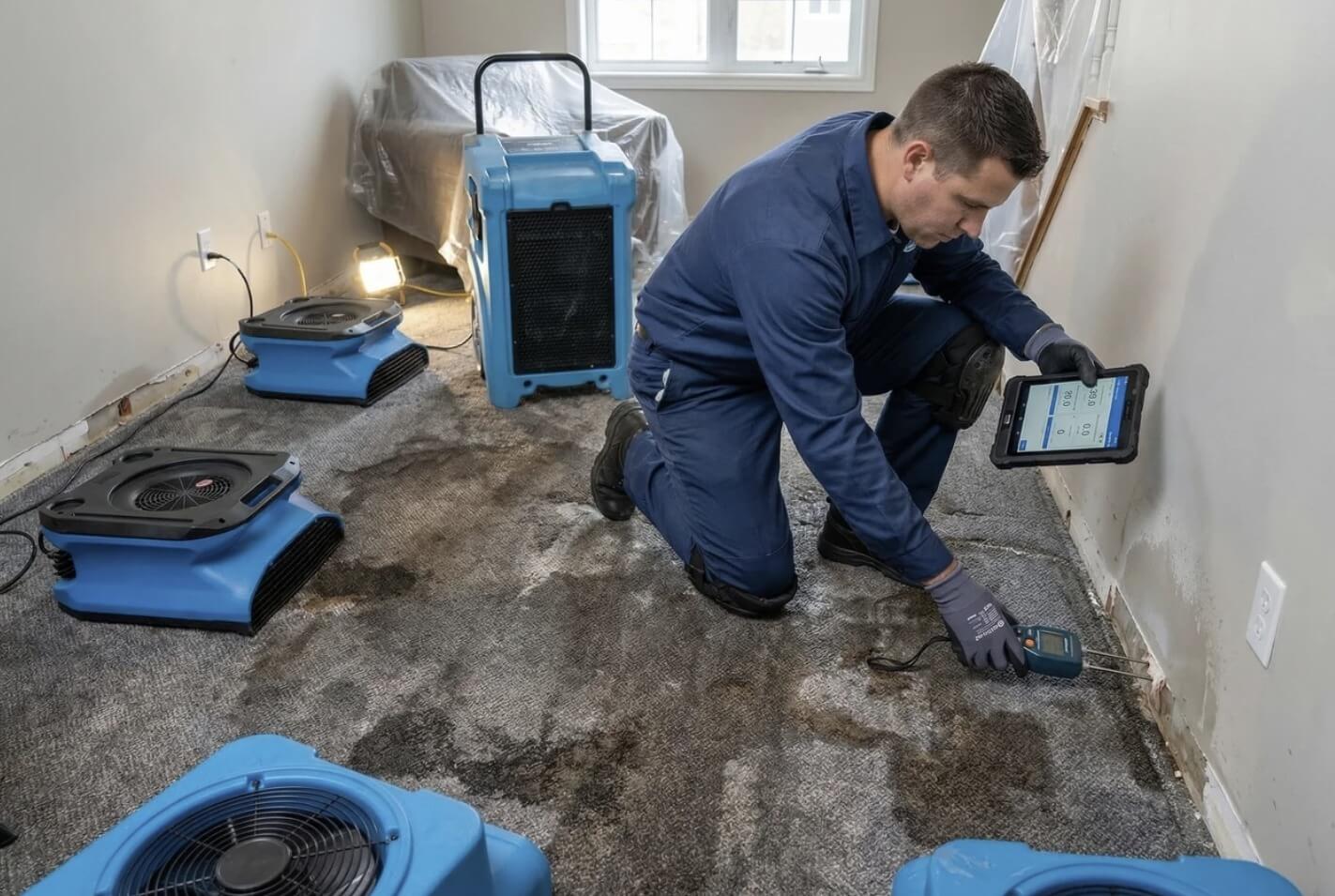
If odours keep returning despite your best efforts, the problem may be deeper than surface cleaning can reach. Our water damage restoration services include full carpet assessment, underlay inspection, and structural drying to remove smell from carpet at its source.
Preventing Future Carpet Odors
Once you’ve solved the immediate problem, a few habits can stop it from recurring.
How to Make Carpet Smell Nice Long-Term
A carpet that smells genuinely fresh (not perfumed, not chemically) comes from prevention, not products. Here’s what works:
- Vacuum twice weekly minimum in high-traffic areas. Carpet fibres trap airborne particles, and those particles feed odour-causing bacteria.
- Address spills immediately. The difference between a stain that comes out and one that sets in is often seconds, not minutes.
- Use doormats at every entrance and consider a no-shoes policy indoors. Brisbane homes collect an astonishing amount of outdoor particulates.
- Clean your vacuum regularly. A dirty vacuum recirculates dust and bacteria back into the carpet.
Regular Maintenance Tips
Schedule a deep clean every 12 to 18 months, more frequently if you have pets or young children. In between, rotate furniture periodically to prevent compressed, damp zones in areas that receive less airflow.
If you’ve experienced flooding even once, consider the underlay type during any replacement. Some modern synthetic underlays resist moisture far better than traditional felt or foam products.
Controlling Humidity and Moisture
In Southeast Queensland, humidity is the silent enabler of recurring carpet odours. Air conditioning on dry mode helps. So do portable dehumidifiers in rooms with limited ventilation. If certain rooms consistently feel humid, check for hidden leaks, insufficient insulation, or drainage issues outside that may be wicking moisture through the slab.
Frequently Asked Questions
How do you get smells out of carpet naturally?
The most effective natural method combines baking soda for odour absorption with white vinegar for bacterial neutralisation. Sprinkle baking soda, let it sit overnight, vacuum thoroughly, then follow with a light misting of diluted vinegar. Allow both to dry completely between steps. This two-stage approach addresses different types of odour molecules.
Why does my carpet smell worse after getting wet?
Moisture activates dormant bacteria and mould spores already present in the carpet fibres and underlay. As these microorganisms proliferate, they release odorous gases. The smell isn’t coming from the water. It’s coming from biology that the water awakened.
Can baking soda really remove carpet odors?
Yes, but with an important caveat. Baking soda neutralises odour molecules it directly contacts. It cannot reach smells trapped in underlay, subfloor, or the carpet backing. For surface-level odours in the fibres themselves, it’s genuinely effective. For smells returning from deeper layers, it’s insufficient.
Will professional carpet cleaning remove all odors?
Professional cleaning removes odours originating from the carpet fibres and can address some contamination in the upper underlay. If the underlay is severely affected, the subfloor is mould-damaged, or the carpet backing has chemically bonded with contaminants, cleaning alone won’t suffice. A proper assessment with moisture detection equipment determines whether cleaning will solve the problem or replacement is necessary.
When to Stop DIY and Call a Professional
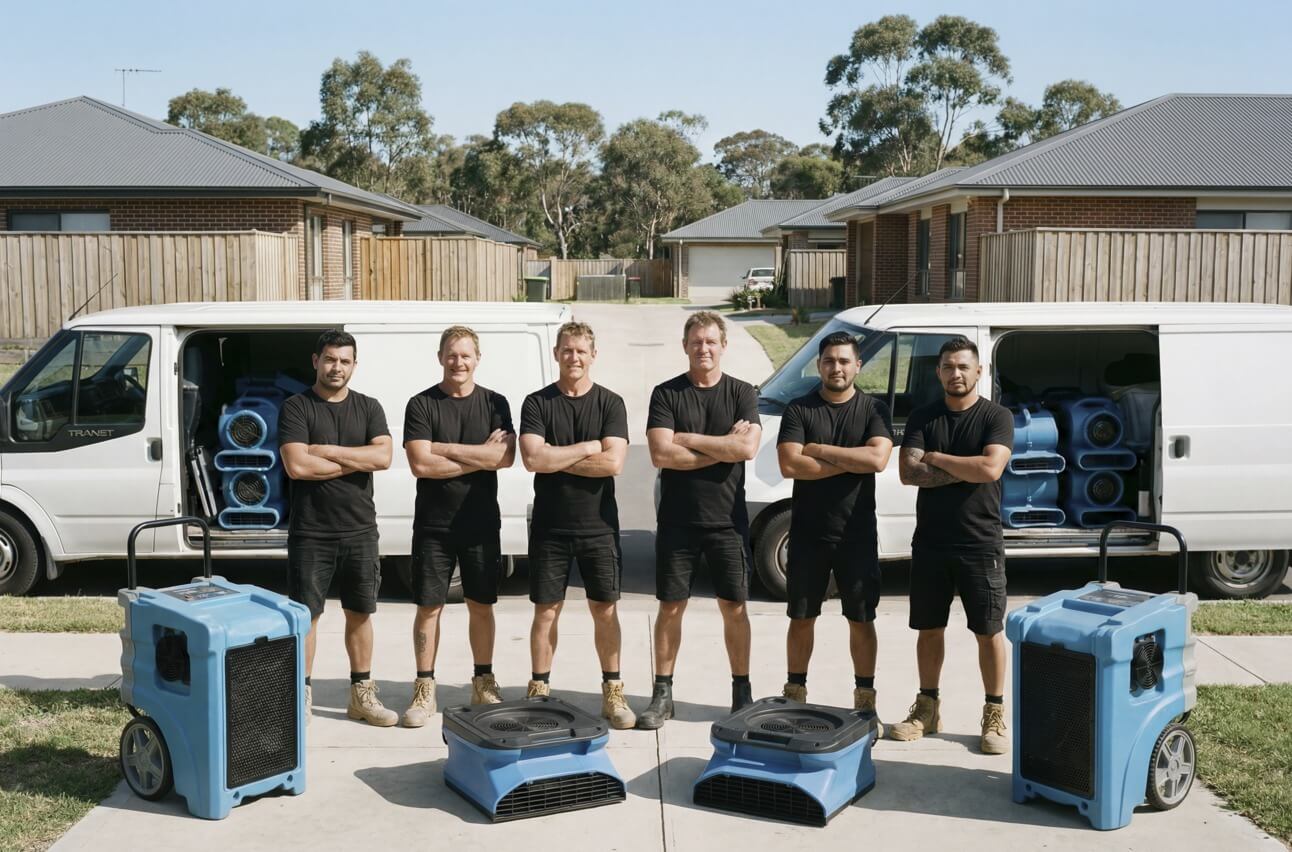
A carpet that smells isn’t just unpleasant. It’s information. It’s telling you something is happening beneath the surface that needs attention. Listen early, act quickly, and you’ll spend far less than if you wait. And if you’ve already waited, if the smell keeps coming back no matter what you try, that’s not failure on your part. It just means the problem is deeper than surface treatment can reach. That’s exactly the moment professional water damage expertise becomes the most affordable path forward.