How to Dry Carpet: Fast Methods for Spills, Dampness & After Cleaning
A wet carpet is never just a wet carpet. What looks like a minor spill on the surface can quietly work its way through the fibres, into the padding, and down to your subfloor within hours. By the time you notice a musty smell or soft spot underfoot, the damage is already underway.
At Flood Services Brisbane, we deal with water-affected carpets every day. We know what works, what doesn’t, and what separates a carpet that gets saved from one that doesn’t. Whether you’re dealing with a fresh spill, residual dampness after cleaning, or the aftermath of a leak, this guide covers exactly how to dry carpet quickly, safely, and effectively.
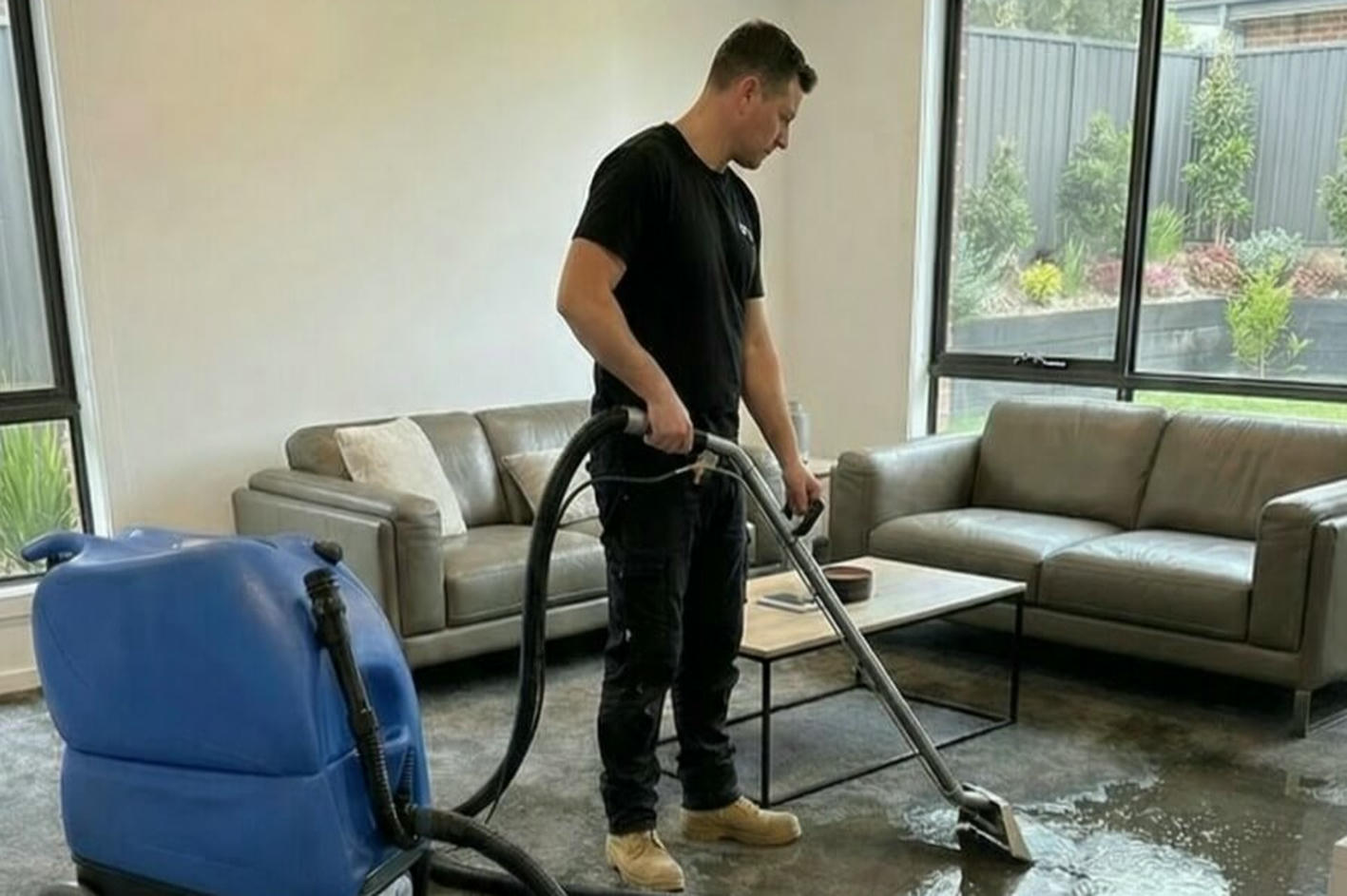
How to Dry a Wet Carpet Quickly
Speed is everything. The longer water sits in carpet fibres, the harder the recovery. Mould can begin developing within 24 to 48 hours. That’s not a lot of time, and every minute you wait narrows your options.
Here’s what to do first:
- Stop the source. If the water is still coming from somewhere, shut it off. Burst pipe, overflowing sink, storm entry point — deal with the source before anything else.
- Remove furniture. Get anything off the carpet that doesn’t need to be there. Heavy furniture traps moisture underneath and leaves permanent compression marks.
- Blot, don’t scrub. Use thick, absorbent towels and press down firmly. Scrubbing damages pile and spreads the moisture further. Press, lift, repeat.
- Use a wet/dry vacuum. A standard vacuum will not cut it on wet carpet and can be a safety hazard. A wet/dry vacuum is the right tool for drawing out surface water and beginning the drying process.
- Check the underlay. Lift a corner of the carpet as soon as possible. If the padding underneath is saturated, it will not dry on its own at the same rate as the surface. In many cases, it needs to be removed and replaced.
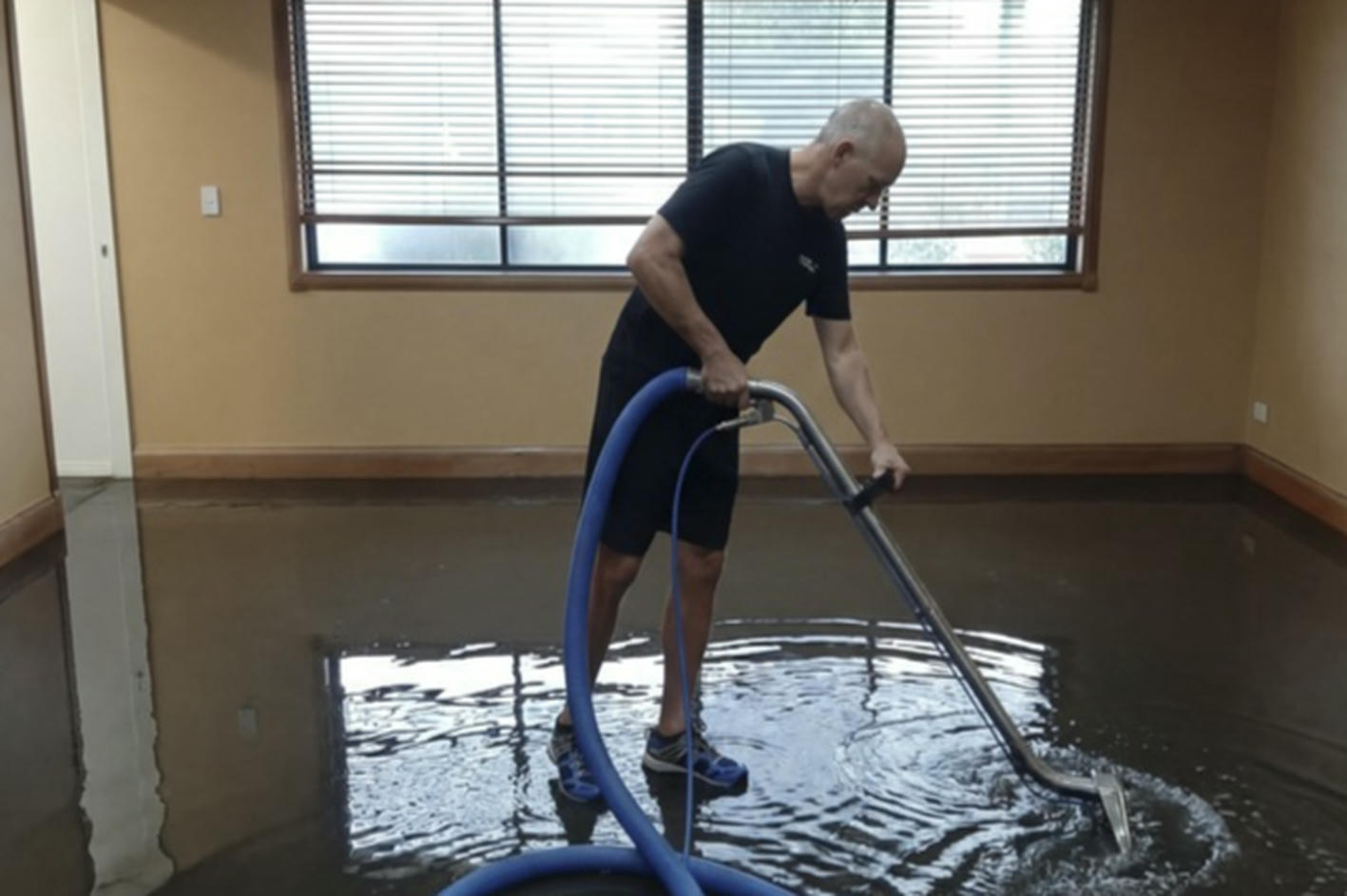
The spread of water is almost always larger than what you can see. Press your hand across a wide radius around the wet area. If it feels at all cool or damp, that zone needs treatment too.
Spilled Water on Carpet? How to Dry It Fast
For isolated spills, act within the first 30 minutes if you can. Stack several dry towels over the area and stand on them for 30 to 60 seconds to maximise absorption. Swap them out and repeat. Follow that with a wet/dry vacuum pass, then set up a fan pointing directly at the affected area.
For larger spills, do not wait to see if it dries on its own. It won’t. Not before mould gets a foothold.
How to Dry Carpet Fast with Fans and Ventilation
Airflow is the single most effective drying tool available without professional equipment. Once you’ve removed the excess surface water, set up fans to blow directly across the carpet at a low angle. Open windows and doors to create cross-ventilation. The goal is moving air constantly, not just circulating it in the room.
A hair dryer might seem convenient but avoid it. The concentrated heat can damage synthetic and wool fibres, and it barely touches the moisture deeper in the pile. Fans and open windows will outperform it every time.
How to Dry Carpet After Cleaning
Professional cleaning and DIY cleaning both introduce moisture into your carpet. Most of that moisture is intentional and controlled, but if it is not managed properly after the job is done, dampness lingers and creates its own set of problems.
How to Dry Carpet After Steam Cleaning
Steam cleaning uses heat and moisture to lift dirt. It is effective, but it pushes water into the fibre base. After a steam clean, the carpet may feel dry at the surface within a few hours, but the lower layers can hold moisture for much longer.
After steam cleaning:
- Keep windows open and fans running for at least 6 to 8 hours.
- Avoid walking on the carpet until it is fully dry; foot traffic compresses wet fibres and slows drying.
- Do not place furniture back on the carpet too soon. Use furniture pads or small plastic discs if you need to move items back in before it is fully dry.
- Run a dehumidifier in the room if the space is enclosed.
If the carpet feels even slightly damp underfoot after 12 hours, increase the airflow and give it more time.
How Long for Carpet to Dry After Cleaning?
As a general guide, most carpets dry within 6 to 12 hours after a standard professional clean, assuming good ventilation and low humidity. Hot water extraction, when done correctly, removes a significant amount of moisture in the process and typically dries faster than steam cleaning alone.
In humid Brisbane conditions, particularly during summer, that window can stretch. If airflow is limited and humidity is high, a carpet can stay damp for 24 hours or longer. A dehumidifier makes a real difference in these situations.
How to Dry Damp Carpet
Damp carpet is sometimes harder to detect than a visibly wet one. It is cool underfoot, carries a faint musty smell, or feels slightly spongy. It might be the result of high indoor humidity, a slow undetected leak, or condensation from air conditioning.
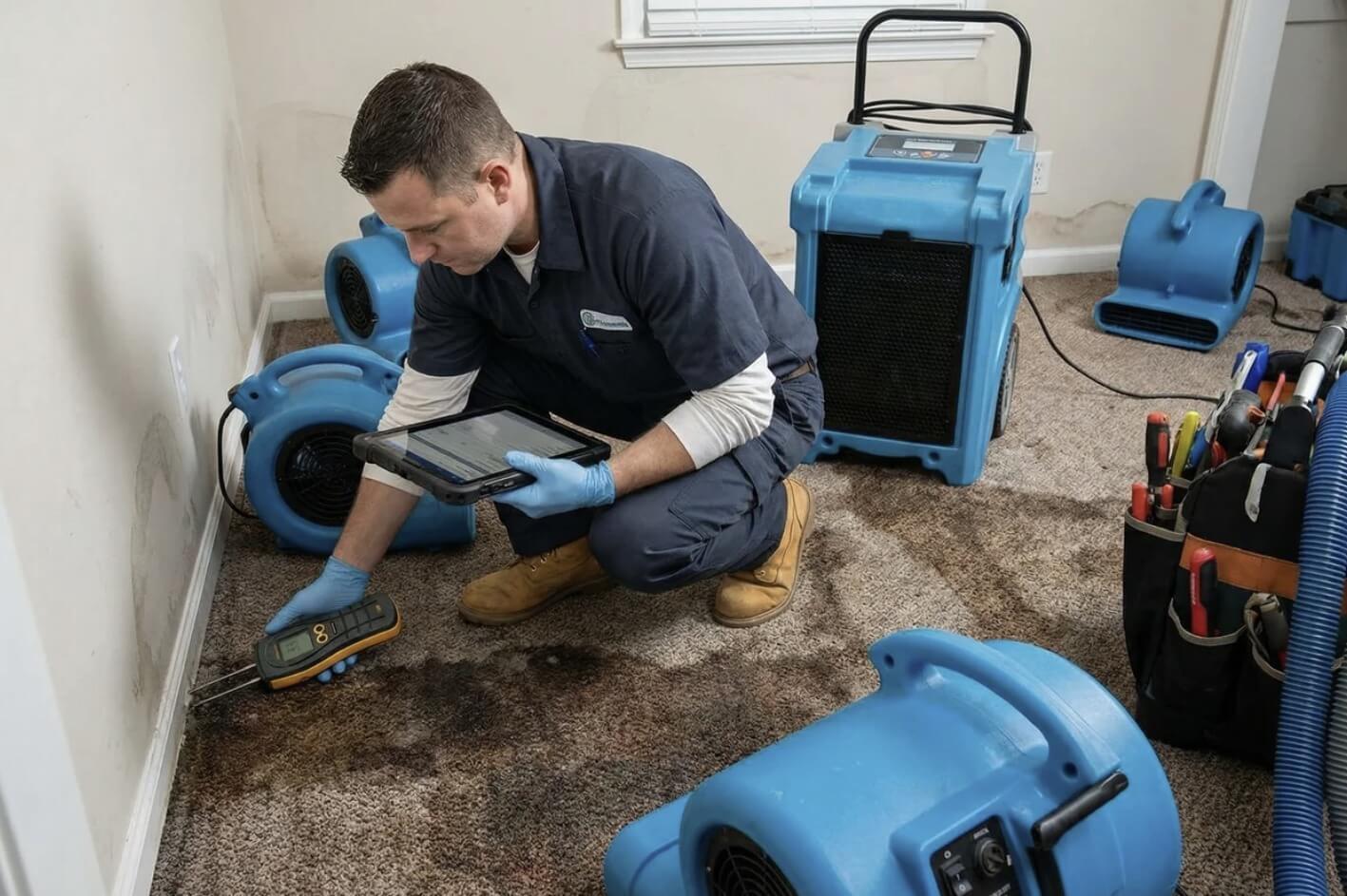
Do not ignore it. Low-level dampness is just as capable of producing mould and odour as a full saturation event. It just does it quietly.
To dry damp carpet fast, the approach is the same as a wet carpet but with a longer treatment window:
- Run fans continuously across the affected area.
- Use a dehumidifier to reduce ambient moisture in the room.
- Sprinkle baking soda generously over the damp area, leave it for several hours, then vacuum thoroughly. This helps absorb residual moisture and neutralise odour.
- Check the underlay. Dampness at the surface often means the padding has been absorbing moisture for longer than the carpet itself.
How to Get Moisture Out of Carpet
Beyond fans and blotting, a dehumidifier is the most efficient way to pull moisture out of carpet in an enclosed space. It draws humid air through a cold coil, condenses the moisture, and expels drier air back into the room. Run it continuously until the room humidity levels stabilise.
For small isolated patches, baking soda absorbs surface moisture and odour simultaneously. Apply a thick layer, leave it overnight, and vacuum in the morning. It will not solve deep saturation but is effective for minor dampness caught early.
How to Dry Carpet After a Leak
A leak is a different situation from a spill. Water from a leaking pipe, roof, or appliance often spreads slowly and out of sight before anyone notices it. By the time the carpet feels wet, the underlay and potentially the subfloor have been absorbing water for some time.
After a leak:
- Identify and fix the source first. Drying carpet while the leak continues is a waste of time.
- Pull furniture clear and inspect the full extent of the affected area. Leaks travel along floor seams and low points.
- Use a wet/dry vacuum to extract as much water as possible.
- Lift the carpet and check the underlay. If it is saturated or has lost its shape, it needs to go.
- Use air movers and a dehumidifier simultaneously to dry both the carpet and the subfloor.
- Monitor for odour over the following 48 to 72 hours. A developing smell indicates moisture is still present.
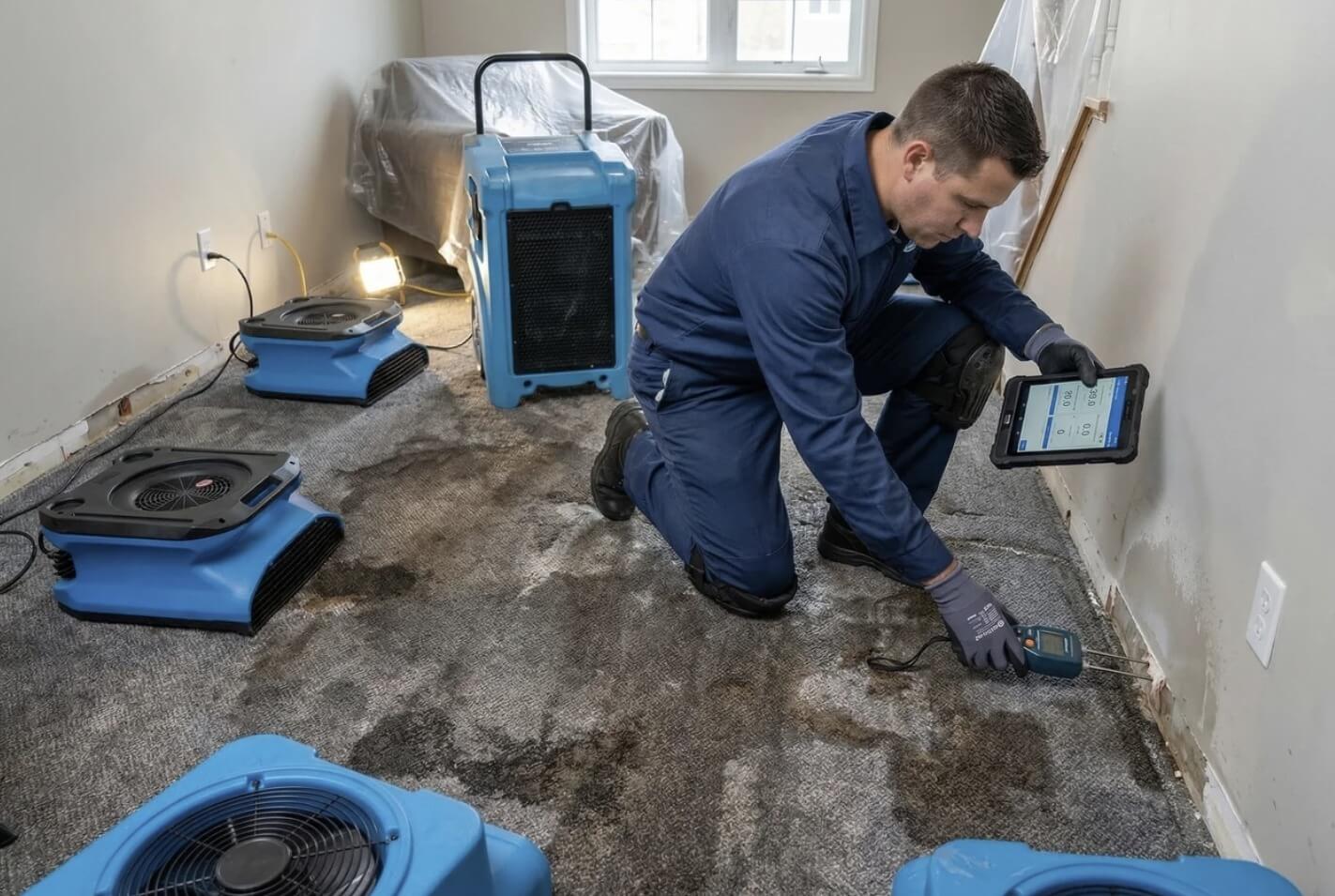
Leaks that have gone undetected for more than 24 hours usually require professional intervention to fully assess and treat the damage.
How Long Does Carpet Take to Dry?
There is no single answer, but here are the honest ranges:
| Scenario |
Estimated Drying Time |
| Small fresh spill, good ventilation |
2 to 6 hours |
| Post professional clean, good airflow |
6 to 12 hours |
| Moderate saturation, fans running |
12 to 24 hours |
| Heavy saturation or flooding |
24 to 72 hours or longer |
| Undetected leak, soaked underlay |
Professional assessment required |
Factors That Affect Drying Time
Several variables affect how quickly a carpet dries:
- Volume of water. The more moisture present, the longer the drying time. Saturated underlay extends the process significantly.
- Carpet type. Wool and plush carpets hold moisture longer than low-pile synthetics. Thicker pile means more surface area for water to cling to.
- Room humidity. High humidity slows evaporation. Brisbane summers can push indoor humidity high enough to keep carpet damp for well over a day without active intervention.
- Ventilation. Stagnant air is the enemy. Consistent airflow accelerates evaporation and reduces the risk of mould.
- Underlay condition. Dry or sealed underlay protects the subfloor. Saturated underlay becomes a reservoir that keeps the carpet above it damp.
Will My Carpet Be Ruined If It Gets Wet?
Not necessarily, but timing matters enormously. If carpet gets wet and is treated within the first few hours, the odds of full recovery are good. Leave it for 24 hours or more without intervention and the risk profile changes considerably.
Signs that carpet may be beyond saving include:
- Persistent odour after thorough drying and cleaning
- Visible mould growth, or mould coming up from beneath
- Soft, spongy, or raised areas in the subfloor
- Carpet that has buckled, separated, or shrunk away from edges
- Underlay that has collapsed or deteriorated
- Any exposure to greywater, sewage, or floodwater from external sources
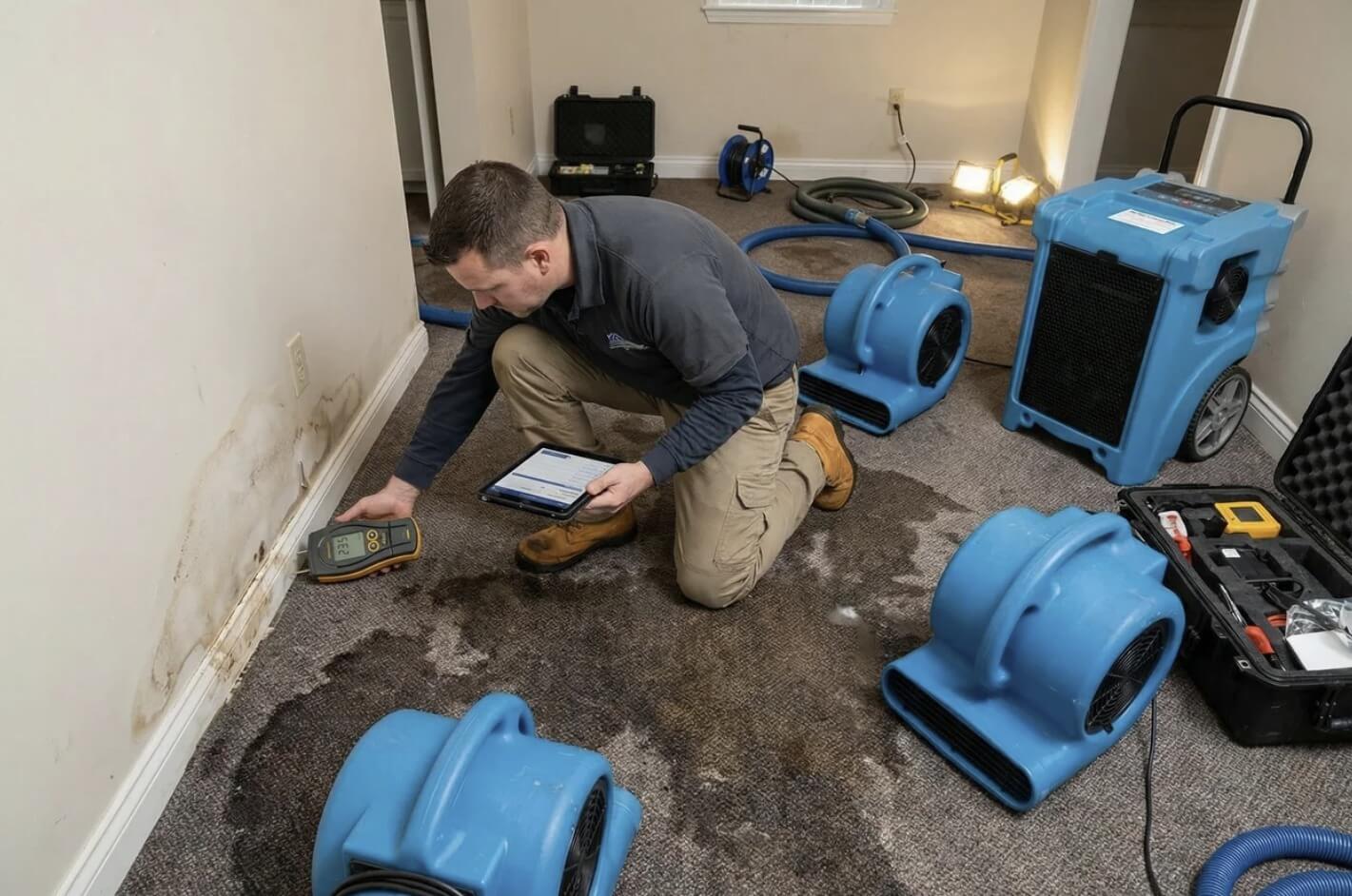
Floodwater in particular carries contaminants that standard drying and cleaning cannot address. In those cases, full replacement of both carpet and underlay is usually the only safe path forward.
How to Dry Wet Carpet at Home Without Professional Equipment
Professional equipment produces faster and more thorough results, but there is plenty you can do with what you have at home, particularly if you catch the problem early.
DIY Methods That Work
- Blotting with towels. Stack, press, swap, and repeat. Old towels work best. Continue until no visible moisture transfers.
- Wet/dry vacuum. If you own one or can borrow one, use it. Make several slow passes over the wet area.
- Baking soda. Effective for damp patches and odour control. Apply generously, leave for several hours, vacuum thoroughly.
- Fan placement. Aim fans low and directly at the carpet surface. The angle matters. Air needs to move across the fibres, not just around the room.
- Furniture removal. Get everything off the carpet. Even light objects block airflow.
- Open ventilation paths. Windows, doors, skylights — all of them. Cross-ventilation moves humid air out of the room rather than just redistributing it.
Using a Dehumidifier to Dry Carpet Faster
A dehumidifier is one of the most underused tools in home water damage recovery. It works by continuously extracting moisture from the air in the room, which in turn draws moisture out of the carpet fibres faster than airflow alone can achieve.
For damp or wet carpets, position the dehumidifier in the centre of the affected room and run it continuously. Empty the reservoir regularly or connect a drain hose if available. In a humid Brisbane climate, a dehumidifier can cut drying time significantly and is particularly valuable in rooms with limited ventilation.
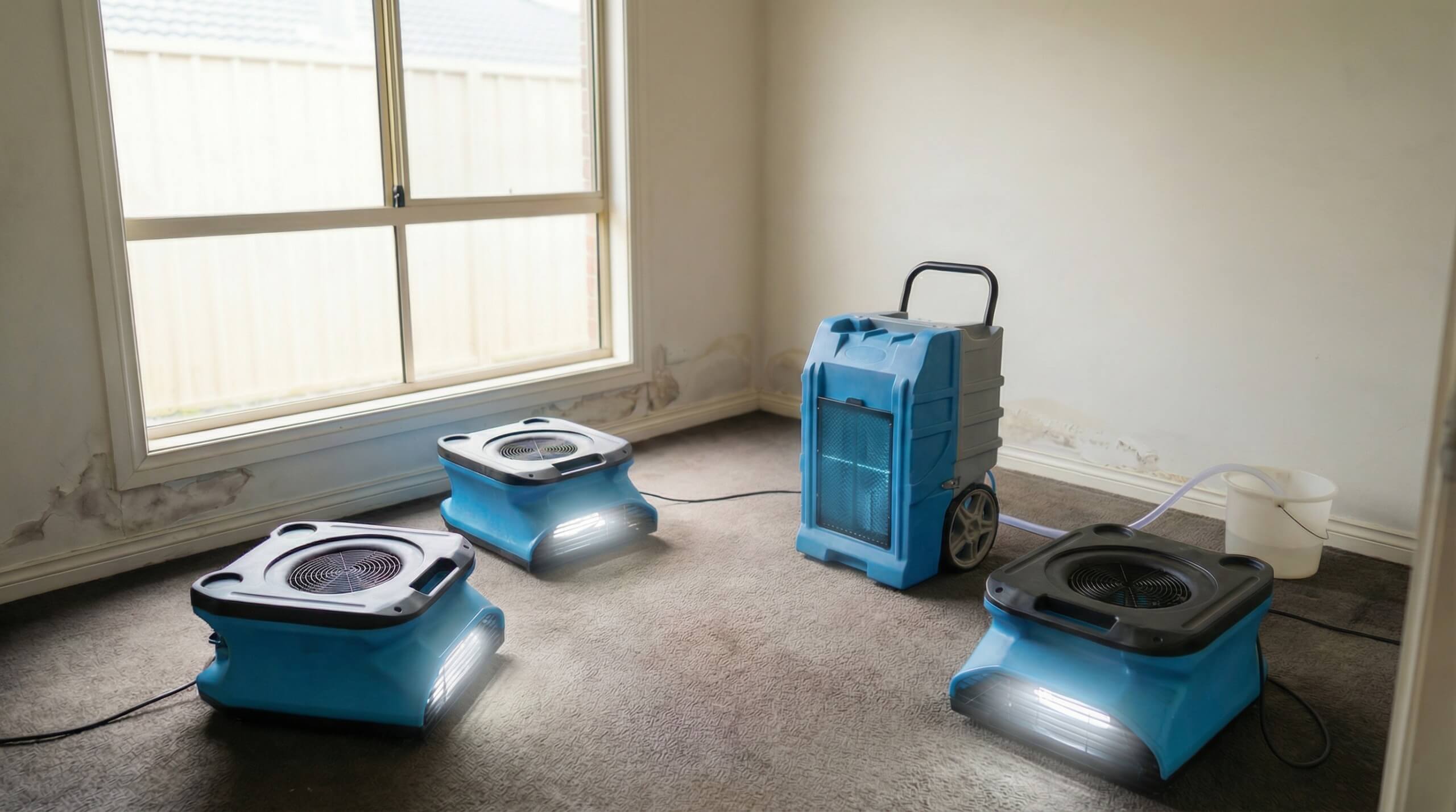
If you need a dehumidifier for a flood or water damage event, Flood Services Brisbane provides professional-grade dehumidifier solutions.
When to Call a Professional
Some situations call for more than a fan and a towel. Contact a professional carpet drying service if:
- The carpet has been wet for more than 24 hours
- There is any visible mould or a strong musty smell
- The underlay is saturated or has lost structural integrity
- The water source was a leak, burst pipe, or external flooding
- The subfloor feels soft, spongy, or sounds hollow
- DIY methods have not produced noticeable improvement after 12 hours
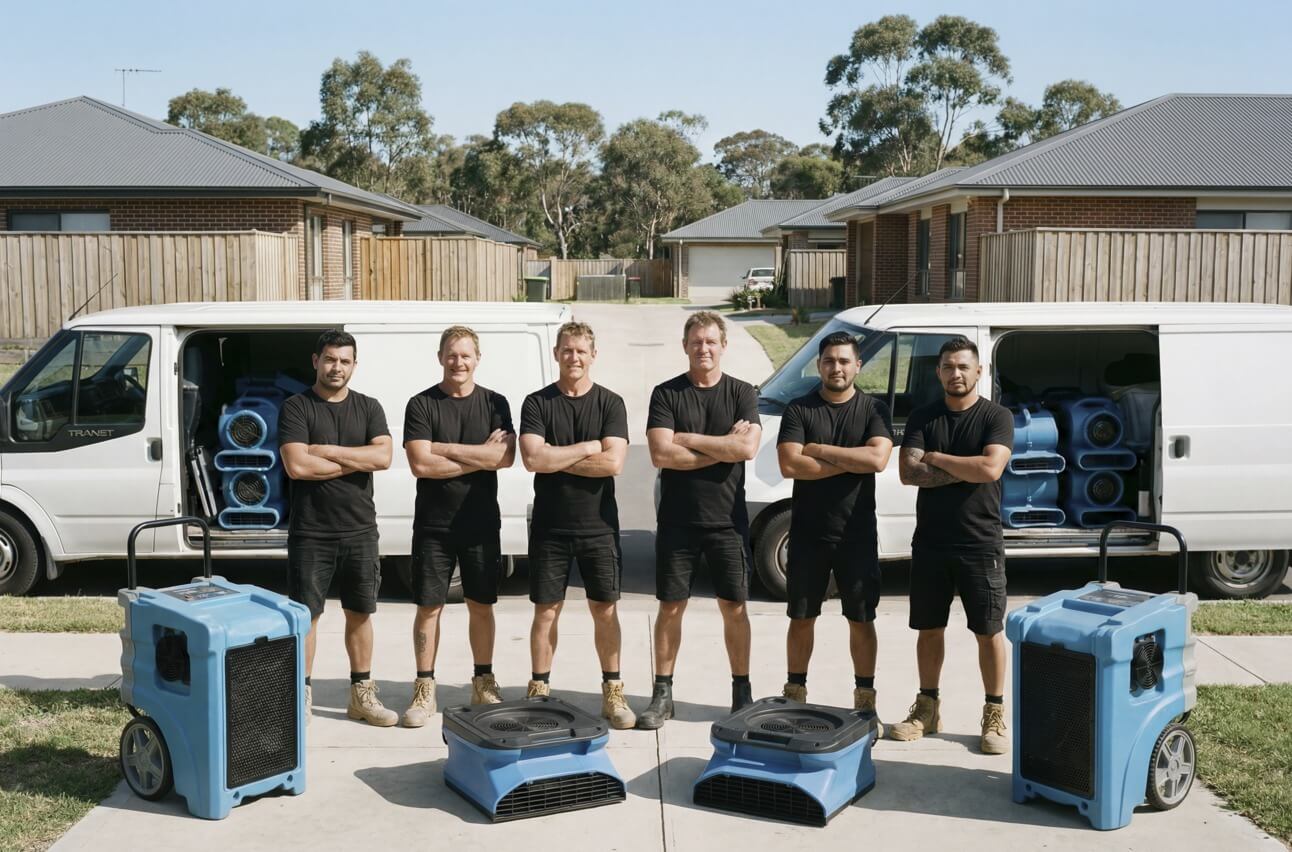
Professional equipment including truck-mounted water extractors, commercial air movers, and industrial dehumidifiers can do in a few hours what home methods take days to achieve, and they reach depths that household tools simply cannot.
For fast, professional carpet drying in Brisbane, visit our how to dry wet carpet quickly guide or book directly through our carpet drying service.
Frequently Asked Questions
Can I use a hair dryer on wet carpet?
It is not recommended. A hair dryer produces concentrated heat that can damage or melt synthetic carpet fibres, and the heat does not penetrate deep enough to dry the padding beneath. For surface spot-drying on a very small area, it is marginally useful, but it is not a substitute for proper airflow and moisture extraction. Fans and ventilation will always produce better results with less risk.
Will wet carpet dry on its own?
Eventually, yes. But not before mould starts growing. Mould can develop in as little as 24 to 48 hours in humid conditions. Relying on natural evaporation without fans, ventilation, or extraction dramatically increases the risk of mould, odour, and subfloor damage. Always intervene actively rather than waiting it out.
How do I know if my carpet is fully dry?
Press a dry cloth firmly against the carpet surface in multiple spots across the affected area. If the cloth picks up any moisture, the carpet is not dry. Pay particular attention to seams, edges, and areas near walls where airflow is lower. You can also lift a corner and check the underlay. The surface feeling dry does not guarantee the underlay has dried. Both need to be dry before the carpet is considered fully recovered.
Should I walk on wet carpet?
Minimise foot traffic as much as possible while the carpet is wet. Walking on wet carpet compresses the fibres and the padding underneath, slowing the drying process and potentially causing permanent matting or pile distortion. It also spreads moisture into adjacent dry areas. If you need to access the space, lay down dry towels to walk on and change them frequently.
Flood Services Brisbane provides emergency carpet drying, water damage restoration, and flood recovery services across Greater Brisbane. If your carpet is wet and you need fast professional help, contact our team today.