Water Under Floorboards? Here’s What to Do (Complete Guide)
Water under floorboards is a problem that should never be ignored. Whether it appears after heavy rain, a burst pipe, a leaking appliance, or unexplained moisture beneath your flooring, trapped water can quickly lead to structural damage, mould growth, unpleasant odours, and costly repairs.
Many homeowners assume that water under floorboards will simply evaporate over time. Unfortunately, that’s rarely the case. Moisture hidden beneath timber flooring often becomes trapped, creating the ideal environment for swelling, warping, rot, and mould.
If you’ve discovered water under floorboards, this guide explains the common causes, warning signs, immediate actions to take, and how professional drying and restoration can help protect your property.
Why Is There Water Under My Floorboards?
One of the most common questions homeowners ask is, “Why is there water under my floorboards?”
The answer depends on several factors. Water can enter beneath flooring from above, below, or even from surrounding structures. Identifying the source is the first step toward preventing further damage.
Common causes include:
- Burst or leaking water pipes
- Roof leaks
- Overflowing sinks, baths, or appliances
- Stormwater intrusion
- Flooding
- Rising damp
- Poor drainage around the property
- Inadequate subfloor ventilation
- Condensation build-up
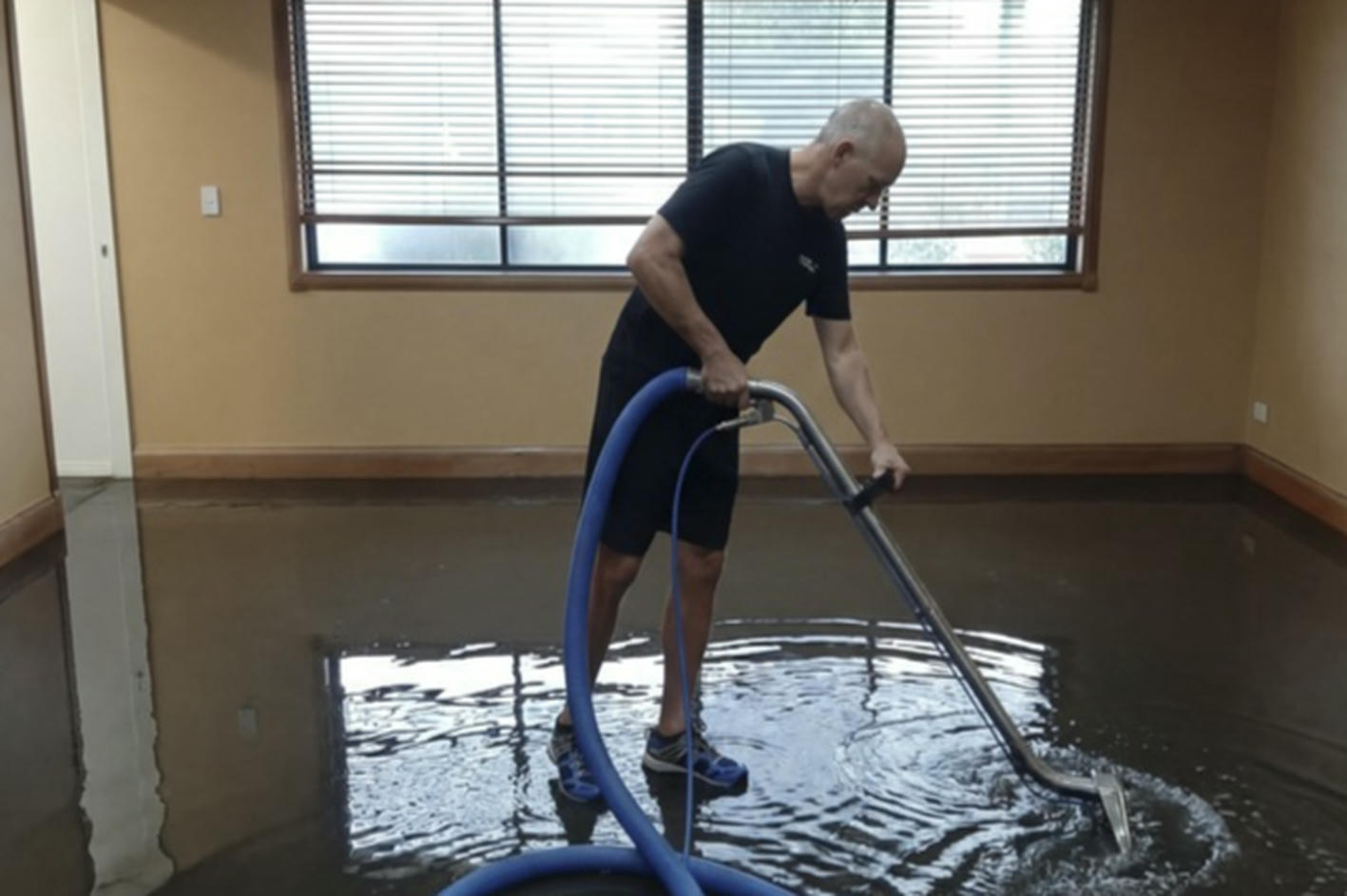
The longer moisture remains hidden beneath flooring, the greater the risk of water damage floorboards and subfloor structures.
Water Under Floorboards After Rain
Finding water under floorboards after rain is a common issue throughout Brisbane and South East Queensland.
Heavy rainfall can overwhelm drainage systems, allowing water to seep into crawl spaces, subfloors, and foundations. Properties with poor site drainage, blocked gutters, or damaged waterproofing are particularly vulnerable.
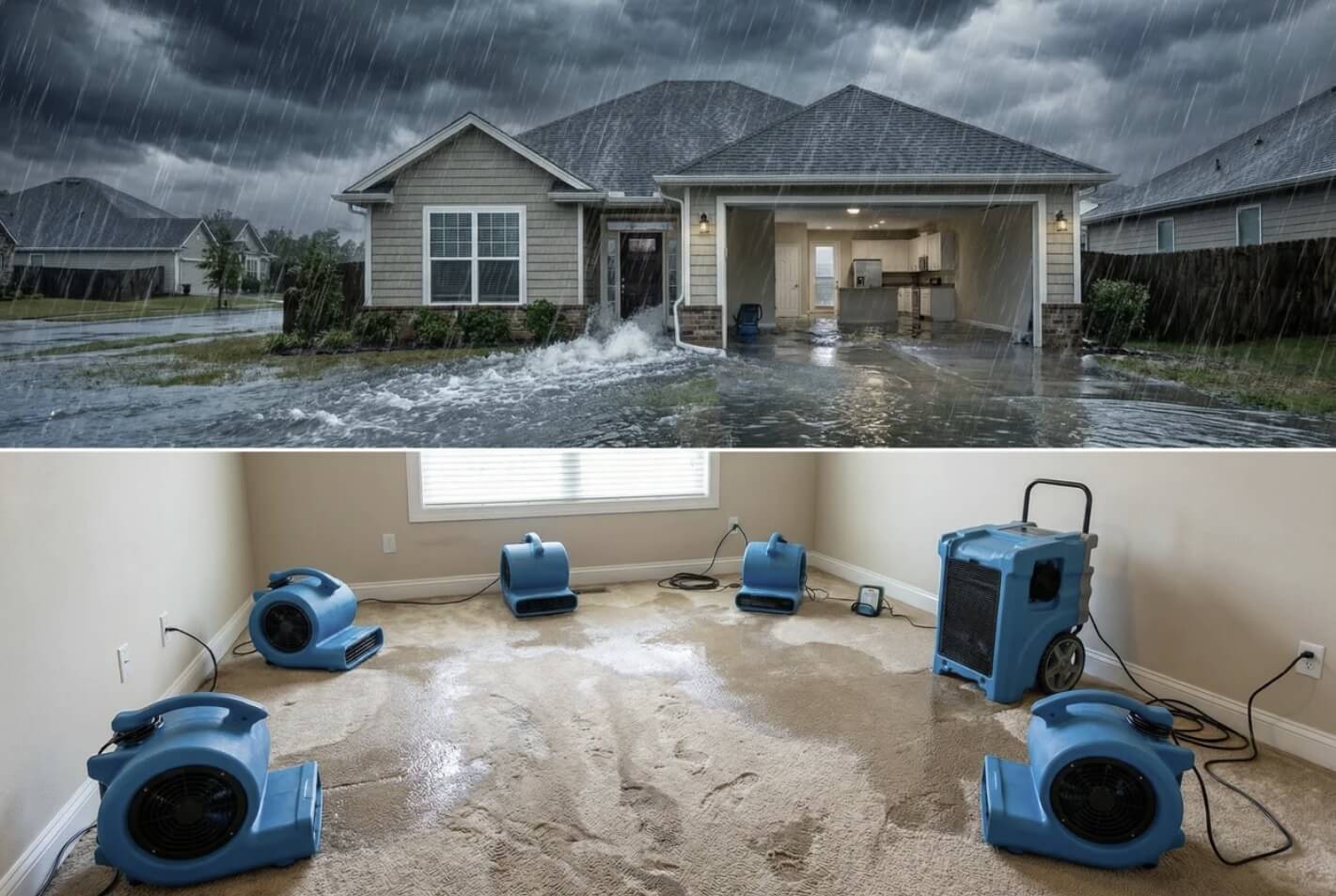
Signs that rainwater may be entering beneath your floor include:
- Damp patches appearing after storms
- Musty odours
- Increased indoor humidity
- Visible moisture in subfloor areas
- Mould growth around skirting boards
If the problem occurs repeatedly after rainfall, a professional assessment should be arranged promptly.
Water Leaking Under Floorboards
Water leaking under floorboards often originates from plumbing failures.
Common sources include:
- Burst pipes
- Leaking water supply lines
- Hot water system failures
- Dishwasher leaks
- Washing machine hose failures
- Bathroom waterproofing issues
Because leaks can remain hidden for weeks or months, significant damage may occur before visible signs appear on the floor surface.
Water Under Floorboards But No Leak
Many property owners become confused when they discover water under floorboards but no leak can be found.
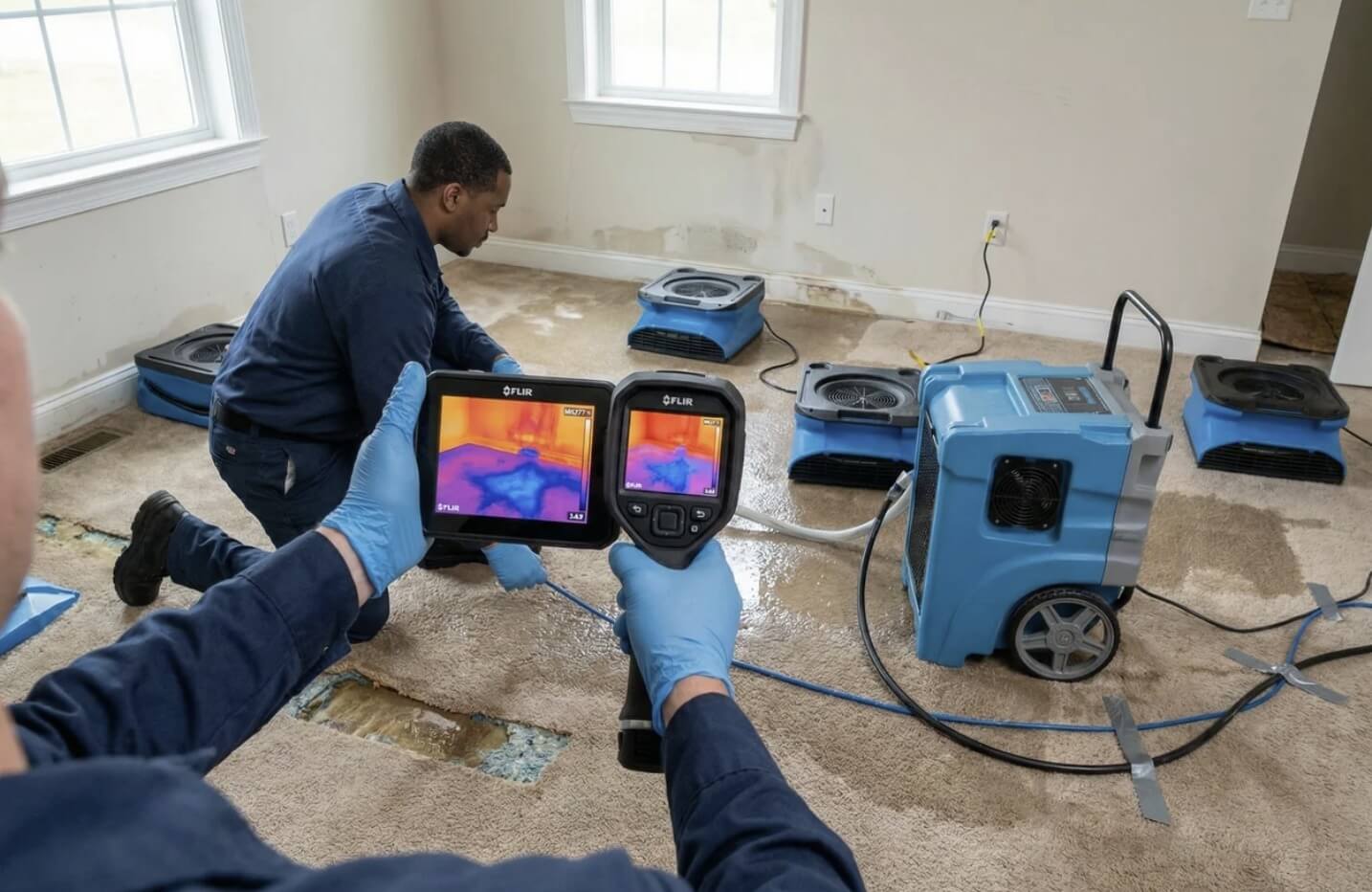
In these situations, moisture may be caused by:
- Rising damp from the ground
- Poor ventilation beneath the home
- Condensation from temperature differences
- Water penetration through foundations
- Previous flooding that never fully dried
Professional moisture detection equipment can help identify hidden moisture sources and determine the extent of the problem.
Signs of Water Damage Under Floor
Recognising the signs of water damage under floor areas early can dramatically reduce repair costs.
While some symptoms are obvious, others develop gradually over time.
Common warning signs include:
- Warped flooring
- Buckling boards
- Soft spots underfoot
- Discolouration
- Mould growth
- Persistent damp smells
- Increased humidity indoors
- Floor movement or squeaking
The sooner these signs are addressed, the greater the likelihood of successful restoration.
Swollen Wood Floor and Other Visible Signs
A swollen wood floor is one of the clearest indicators of moisture problems.
Timber naturally absorbs water. As moisture levels increase, boards expand and begin to distort.
Visible signs include:
- Raised edges
- Cupping
- Crowning
- Gaps between boards
- Lifting sections of flooring
- Uneven walking surfaces
In severe cases, the flooring may become permanently deformed and require replacement.
Other indicators of water damaged floorboards include:
- Dark staining
- Peeling finishes
- Surface mould
- Cracking timber
How to Check for Water Trapped Under Floorboards
Water trapped under floorboards is not always visible from above.
You may suspect hidden moisture if you notice:
- A persistent musty smell
- Increased allergy symptoms
- Mould appearing along skirting boards
- Unexplained floor movement
- Localised humidity
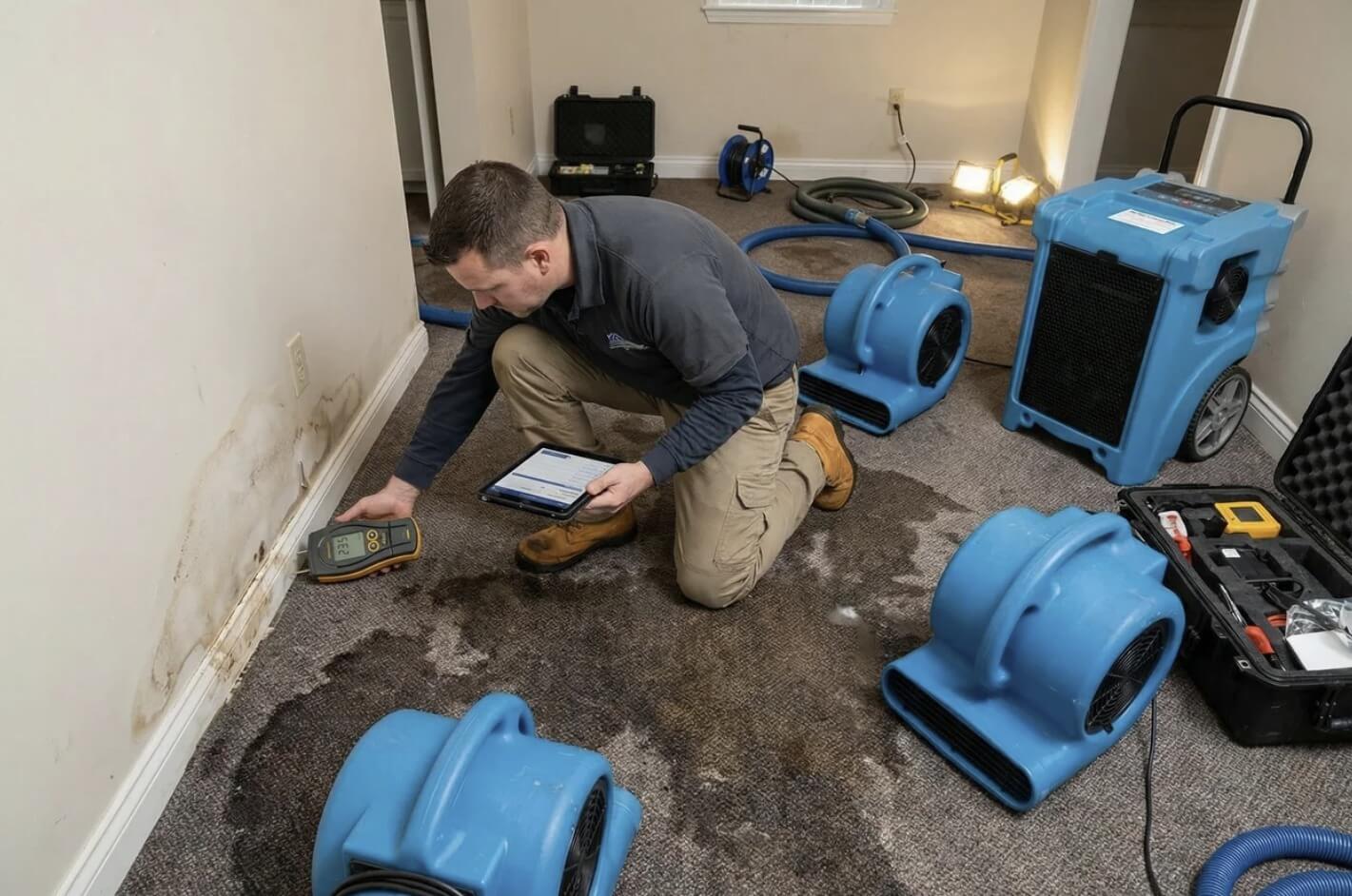
A professional moisture inspection typically includes:
- Thermal imaging
- Moisture meter testing
- Subfloor inspections
- Hygrometer readings
- Water source identification
These tools help locate hidden moisture without causing unnecessary damage to the flooring.
If you discover water under floorboards, immediate action is critical.
The first 24 to 48 hours often determine whether the flooring can be restored or requires replacement.
How to Remove Water from Under Floorboards
When considering how to remove water from under floorboards, the priority is removing as much moisture as possible before it causes further damage.
Key steps include:
- Stop the water source.
- Turn off water supplies if necessary.
- Remove standing water immediately.
- Improve airflow throughout the affected area.
- Lift accessible floor coverings if safe to do so.
- Arrange professional water extraction services.
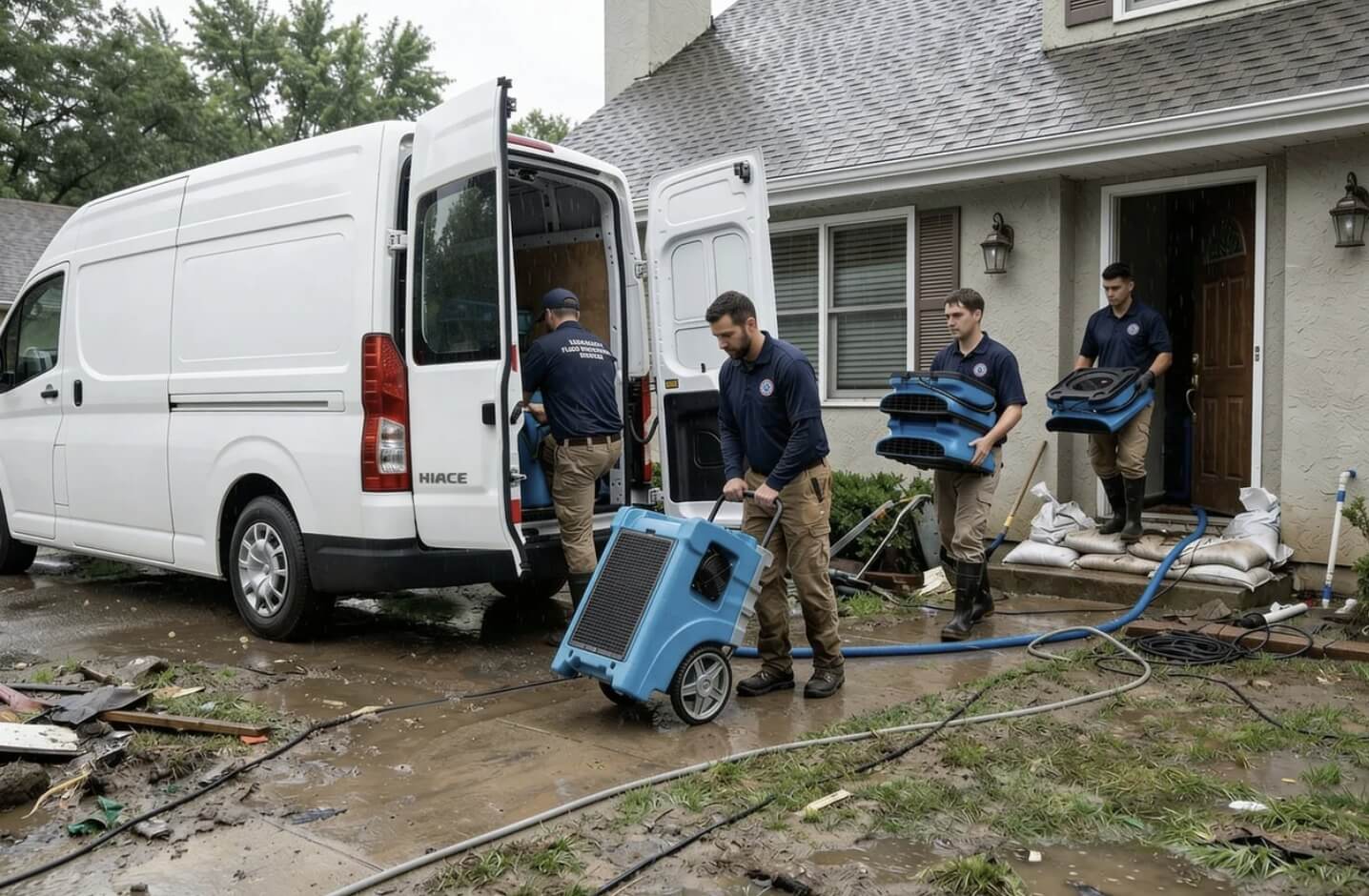
Specialised extraction equipment can remove water hidden beneath flooring systems far more effectively than household tools.
How to Dry Water Under Floorboards
Understanding how to dry water under floorboards properly is essential.
Surface drying alone is rarely enough. Moisture often remains trapped deep within timber, insulation, and subfloor materials.
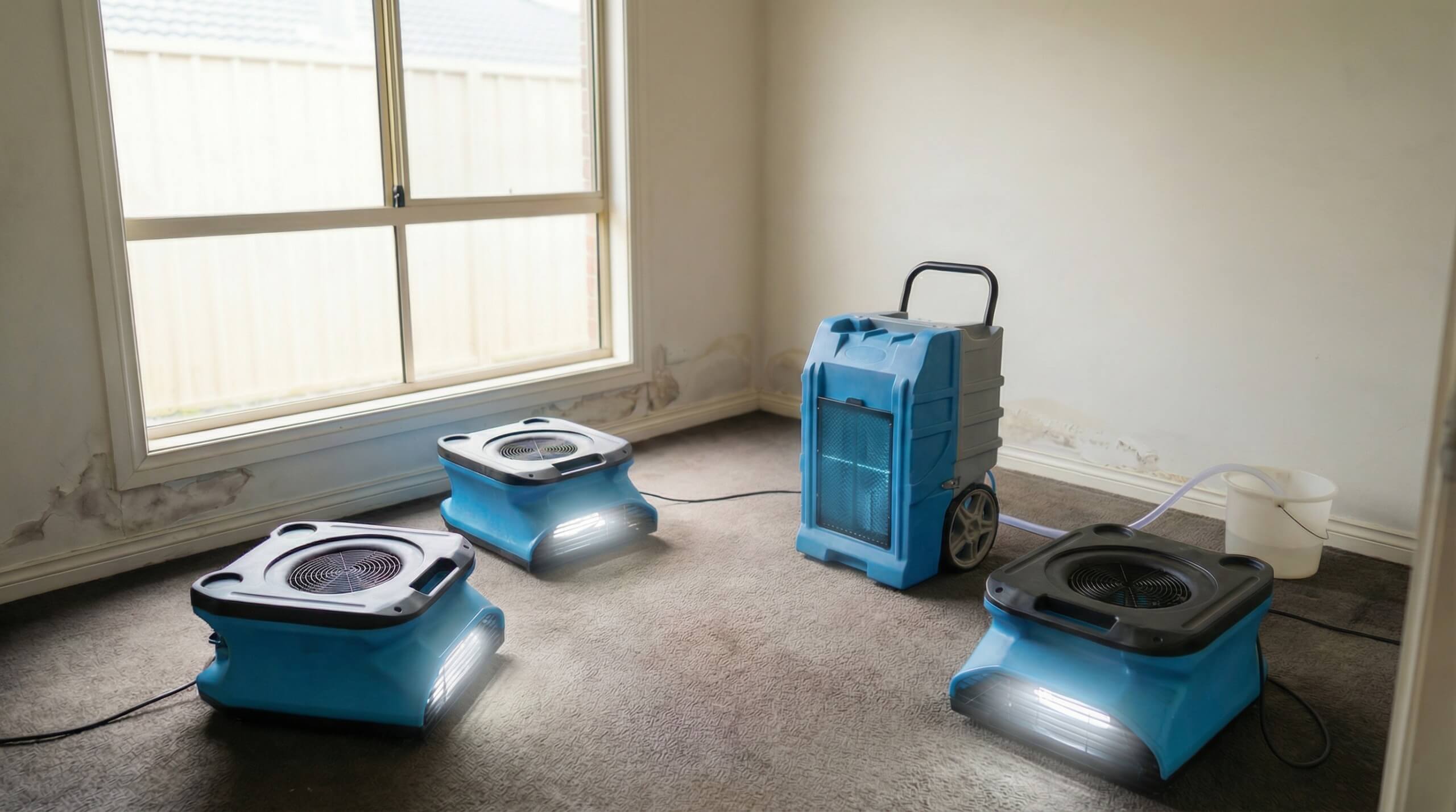
Professional drying commonly involves:
- Industrial air movers
- Commercial dehumidifiers
- Negative pressure drying systems
- Subfloor drying equipment
- Continuous moisture monitoring
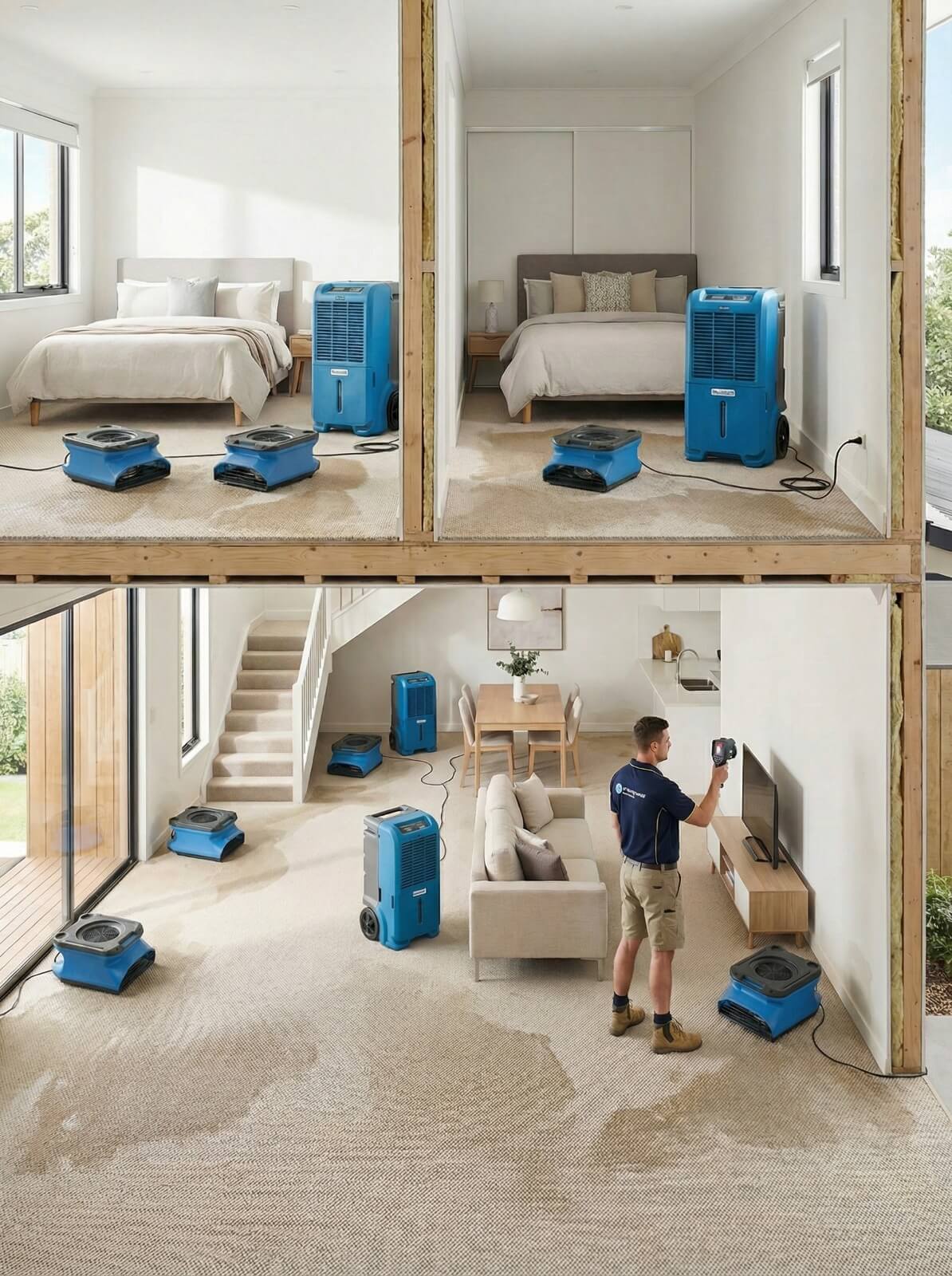
The goal is to restore materials to acceptable moisture levels while preventing secondary damage.
How to Get Rid of Water Under Floorboards
Many homeowners search for how to get rid of water under floorboards without removing the flooring.
While minor moisture issues may resolve with targeted drying, significant water intrusion often requires specialised restoration techniques.
A professional drying plan may include:
- Moisture mapping
- Water extraction
- Structural drying
- Mould prevention treatments
- Ongoing monitoring
The faster these processes begin, the better the outcome for your flooring.
Will Water Under Floorboards Dry Out on Its Own?
A common question is: will water under floorboards dry out naturally?
In most cases, the answer is no.
While some evaporation may occur, water trapped beneath flooring often remains in enclosed spaces with limited airflow. This creates ideal conditions for:
- Mould growth
- Timber swelling
- Delamination
- Rot
- Structural deterioration
The answer to “will water under floorboards dry out” depends on factors such as:
- Amount of water present
- Type of flooring
- Ventilation levels
- Humidity conditions
- Subfloor construction
Even when flooring appears dry on the surface, dangerous moisture levels may remain hidden below.
Professional moisture testing is often required to confirm complete drying.
How to Fix Water Damaged Floorboards
The process of how to fix water damaged floorboards depends on the severity of the damage and how quickly intervention occurs.
Some water damaged floorboards can be restored successfully. Others may require replacement.
The key is identifying whether the timber has suffered cosmetic, structural, or biological damage.
DIY Fixes for Minor Water Damage
Minor incidents may allow for limited DIY restoration.
Potential solutions include:
- Thorough drying
- Increasing ventilation
- Using dehumidifiers
- Cleaning affected surfaces
- Sanding minor surface imperfections
- Refinishing timber coatings
These approaches are only suitable when moisture exposure has been minimal and the timber remains structurally sound.
Attempting repairs before the flooring is fully dry can worsen damage and lead to costly mistakes.
When to Call a Professional
Professional assistance is recommended whenever:
- Water has been present for more than 24 hours
- Floorboards are buckling or lifting
- Mould is visible
- The moisture source is unknown
- Large areas are affected
- There is flooding or storm damage
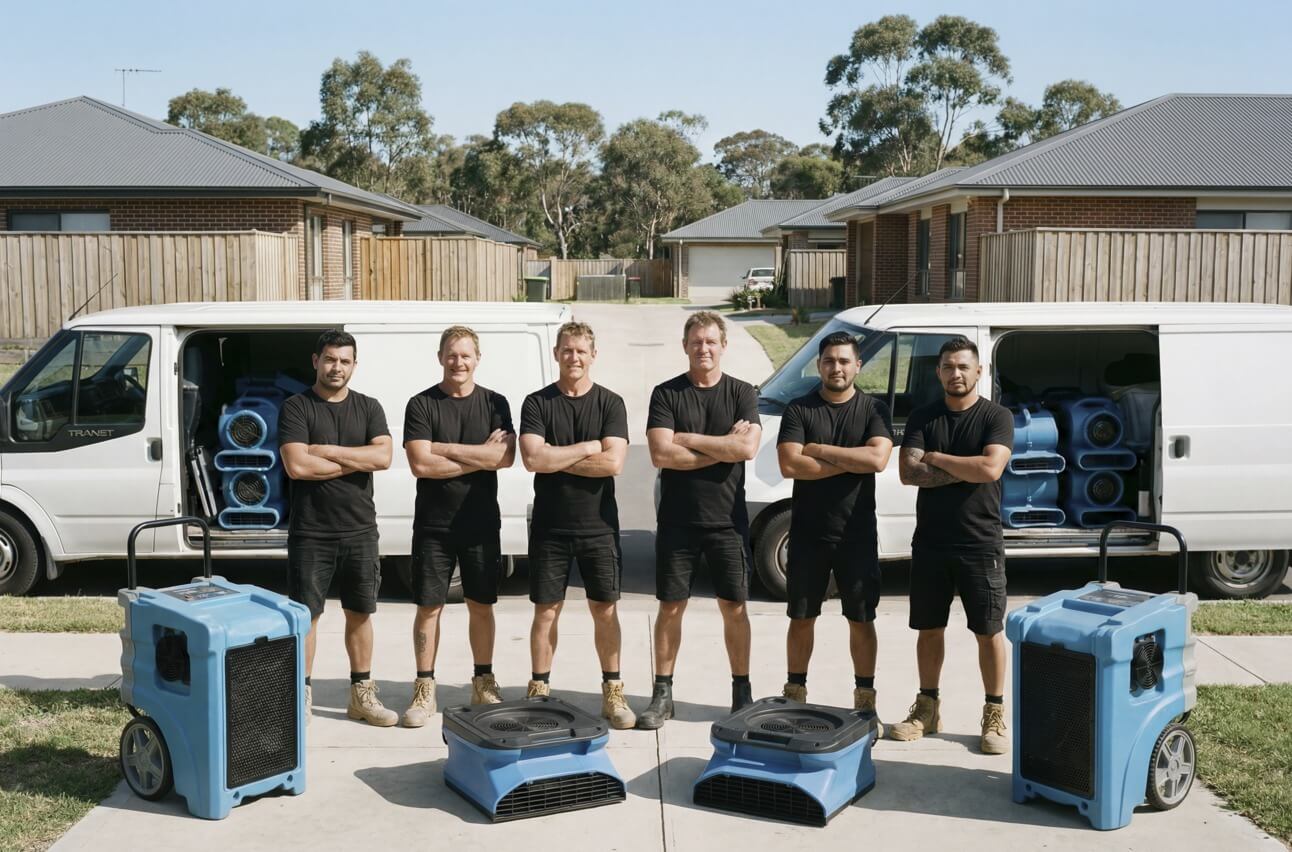
At Flood Services Brisbane, our specialised drying systems are designed to remove hidden moisture from timber floors, subfloors, and structural materials before permanent damage occurs.
For extensive moisture issues, our water damage restoration services can identify hidden moisture, prevent mould growth, and restore affected areas efficiently.
Learn more about our internal services:
Professional intervention often saves flooring that might otherwise need complete replacement.
Frequently Asked Questions
Can water under floorboards cause mould?
Yes. Water under floorboards creates the perfect environment for mould growth. Mould can begin developing within 24 to 48 hours when moisture remains trapped beneath flooring. Beyond damaging building materials, mould may also impact indoor air quality.
How long does it take for floorboards to dry?
Drying times vary depending on the amount of water, flooring type, humidity levels, and ventilation. Minor moisture issues may dry within a few days, while significant water intrusion can require several weeks of professional drying and monitoring.
Does insurance cover water damage under floorboards?
Many insurance policies cover sudden and accidental water damage, such as burst pipes or storm-related incidents. Coverage varies between insurers and policy types, so it’s important to review your policy and contact your insurer promptly after discovering the damage.
How much does it cost to fix water damaged floorboards?
Repair costs vary depending on the extent of damage, flooring type, drying requirements, and whether replacement is necessary. Minor restoration work may be relatively affordable, while extensive structural drying and floor replacement can significantly increase costs. A professional inspection is the best way to determine the scope of repairs required.
Act Fast to Protect Your Floors
Water under floorboards should never be ignored. Whether the cause is a plumbing leak, stormwater intrusion, flooding, or hidden moisture build-up, rapid action is the key to preventing expensive repairs.
If you have discovered water trapped under floorboards, are dealing with a swollen wood floor, or need help understanding how to dry water under floorboards safely, professional assessment and drying can make all the difference.
Flood Services Brisbane provides rapid response water extraction, structural drying, subfloor drying, and water damage restoration solutions to help homeowners and businesses minimise damage and restore their properties as quickly as possible.