How Much Does Water Damage Restoration Cost in Brisbane?
TL;DR: Water damage restoration in Brisbane costs anywhere from $1,500 for a minor burst pipe to $25,000+ for major flood events involving black water. The biggest cost driver is how fast you act: the 24 to 48 hour window is where bills escalate sharply. Most standard home insurance policies cover sudden and accidental water damage, but exclude gradual leaks, tidal flooding, and pre-existing damage. Get an independent assessment before opening a claim, as claims can affect future premiums.
In This Article
- What Affects the Cost of Water Damage Restoration?
- Realistic Cost Scenarios for Brisbane Properties
- What Happens After a Flood: The Restoration Process Step by Step
- Insurance: What Is Covered and What Is Not
- Tips for Brisbane Property Owners
- How Flood Services Brisbane Can Help
If your property has just been hit by a burst pipe, a storm event, or rising floodwater, the first question most Brisbane homeowners ask is the same one: how much is this going to cost?
It is a fair question, and the honest answer is that the cost to fix water damage varies depending on a range of factors specific to your property, the source of the water, and how quickly you act. In this guide, we break down everything you need to know, from realistic price ranges for common Brisbane scenarios to what your insurer will and will not cover, so you can make informed decisions without the guesswork.
What Affects the Cost of Water Damage Restoration?
No two water damage jobs are the same. Before any restorer can give you a reliable figure, these are the key variables they will assess.
1. The Extent of the Damage
The most obvious cost driver is how much of your property has been affected. A single wet room from a burst pipe is a very different job to a ground floor flooded by a storm surge across multiple rooms and into the subfloor.
As a general guide:
- Minor damage (one room, quick response): $1,500 to $3,500
- Moderate damage (two to three rooms, storm event or appliance overflow): $3,500 to $8,000
- Major damage (whole floor, structural involvement, or Category 3 black water): $8,000 to $25,000+
These ranges come directly from restoration work carried out by our team across Brisbane properties and align with what industry professionals report across Queensland.
2. The Category of Water
The source of the water matters enormously, both for health reasons and for the work involved.
| Water Category |
Source |
What It Means for Cost |
| Category 1: Clean Water |
Burst pipes, rainwater, clean appliance overflow |
Lowest cost. Standard extraction and drying. Materials can be saved if treated within 24 to 48 hours. |
| Category 2: Grey Water |
Washing machine overflow, dishwasher, toilet overflow (no solids) |
Moderate cost. Requires EPA-grade sanitisation and underlay assessment. |
| Category 3: Black Water |
Sewage, rising floodwater, stormwater overflow |
Highest cost. Full biohazard protocol. Carpet and porous materials require replacement. Do not attempt to clean this yourself. |
Category 3 water, which is common in Brisbane after significant flood events, requires certified technicians with full protective equipment and professional-grade antimicrobial treatment. This adds to the overall cost but is non-negotiable for safety.
3. The Materials Affected
What water touches determines whether it can be dried and saved, or must be removed and replaced.
- Carpet and underlay: Underlay almost always requires replacement once saturated. Carpet can be saved if treated within 24 hours.
- Plasterboard (gyprock): If moisture readings are below 30% and the water source was clean, injection drying can save it. Saturated plasterboard from grey or black water, or panels that have delaminated, require replacement.
- Timber floors: In Queenslander homes especially, subfloor moisture causes cupping and structural rigidity loss. Early intervention is critical.
- Concrete: Slower to absorb but retains moisture for longer, which extends drying time and equipment costs.
4. How Fast You Act
This is the single biggest factor within your control. In Brisbane’s subtropical climate, moisture causes damage faster than in drier cities. Here is what happens to your property over time if water is left untreated:
- 0 to 6 hours: Water saturates carpet, underlay and subfloor. Extraction and drying only needed. Lowest cost, most materials saved.
- 6 to 24 hours: Moisture enters wall cavities. Plasterboard begins swelling. Underlay will need replacing. Costs increase.
- 24 to 48 hours: Mould spores activate and begin colonising. Odours develop. Metal fixtures corrode. Costs increase significantly.
- 48 to 72 hours: Visible mould growth. Timber framing weakens. Plasterboard replacement likely required. Costs can double or triple compared to an early response.
The 24 to 48 hour window is where the water damage cleanup cost jumps most dramatically. Acting in the first six hours gives you the best chance of keeping the bill low and your materials intact.
5. Drying Duration
Drying is not a one-day job. Structural drying with industrial air movers and dehumidifiers takes three to seven days. If structural repairs are needed after drying, the full process can take two to four weeks. Equipment running over multiple days adds to the cost, but stopping the drying process early to save money is a false economy: residual moisture inside walls and subfloors leads to mould, which is far more expensive to fix later.
Realistic Cost Scenarios for Brisbane Properties
Here is how the figures play out in the most common situations we see across Brisbane.
Scenario A: Burst Pipe in a Kitchen or Bathroom
Typical cost: $1,500 to $3,500
A clean water event caught within a few hours. Water extraction, structural drying, possible underlay replacement. If plasterboard has absorbed moisture but hasn’t delaminated, injection drying saves the wall. Most materials are preserved with a fast response.
Scenario B: Storm Event Affecting Two to Three Rooms
Typical cost: $3,500 to $8,000
Stormwater entering through a roof, window or doorway. Depending on the source, this may be Category 2 grey water, which requires sanitisation alongside drying. Underlay replacement is standard. Wall cavities are inspected and injection dried where possible.
Scenario C: Appliance Overflow (Washing Machine or Dishwasher)
Typical cost: $2,500 to $6,000
Grey water from appliances carries biological contaminants. This requires EPA-grade sanitisation in addition to extraction and drying. Costs increase if the water has spread to adjoining rooms or penetrated under a timber floor.
Scenario D: Rising Floodwater or Stormwater Flooding
Typical cost: $8,000 to $25,000+
Category 3 black water. Full biohazard protocol applies. Carpet, underlay, and any porous materials that absorbed contaminated water require replacement. Plasterboard is individually assessed, and replacement is common. Mould remediation is included where spore activity is detected. This is the scenario most associated with Brisbane’s flood events.
Scenario E: Commercial Properties
Cost: subject to individual assessment
Office, retail, warehouse, and strata properties vary too much in size and configuration for a published range. Contact us directly for a same-day assessment.
What Happens After a Flood: The Restoration Process Step by Step
Understanding what happens after a flood helps you know what you are paying for and why each step matters.
Step 1: Damage inspection and moisture mapping
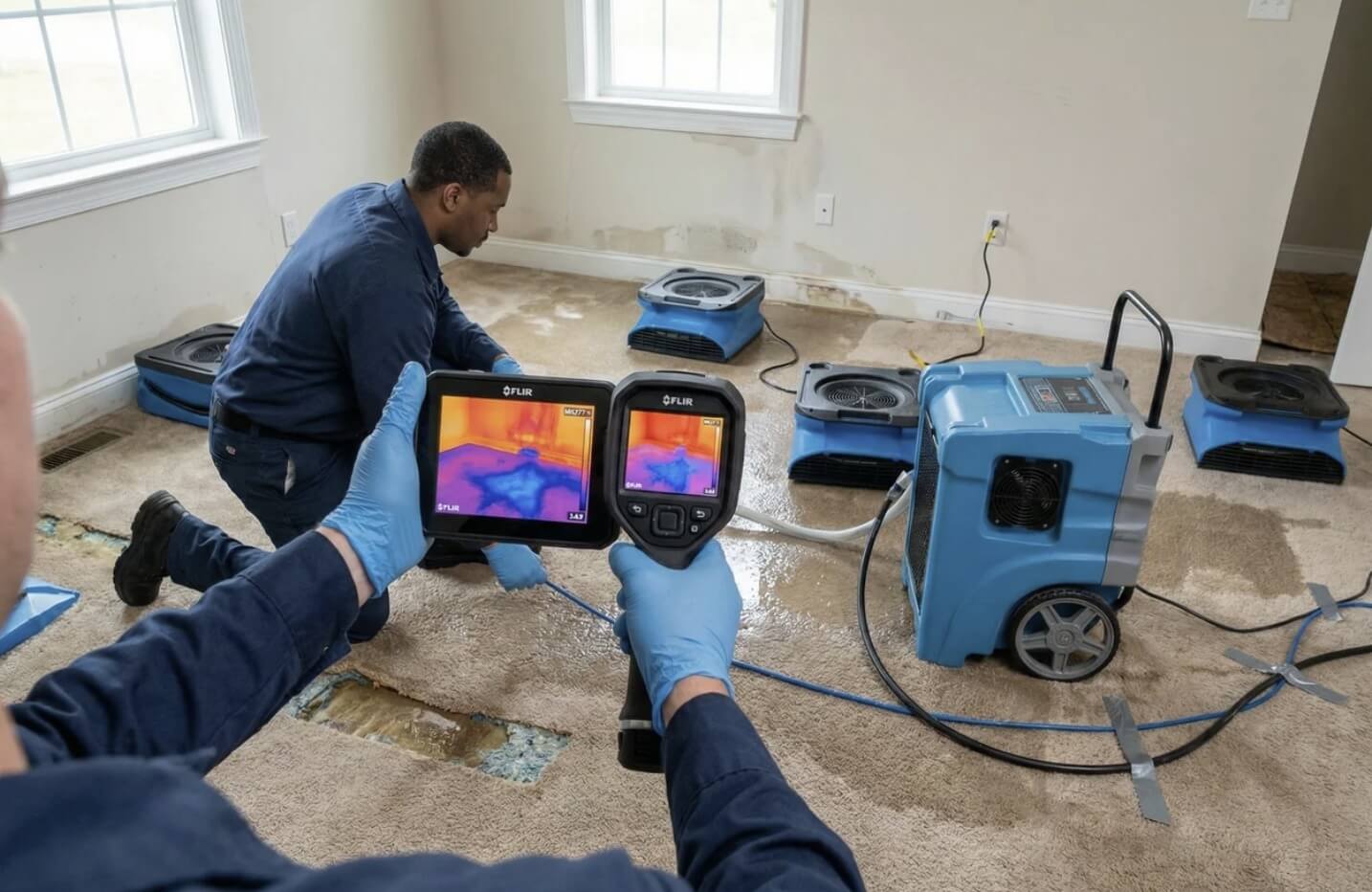
We use thermal imaging cameras and moisture metres to locate water you cannot see, including water under floorboards, behind plasterboard and inside subfloor cavities. This determines the scope of work and the water category.
Step 2: Water extraction
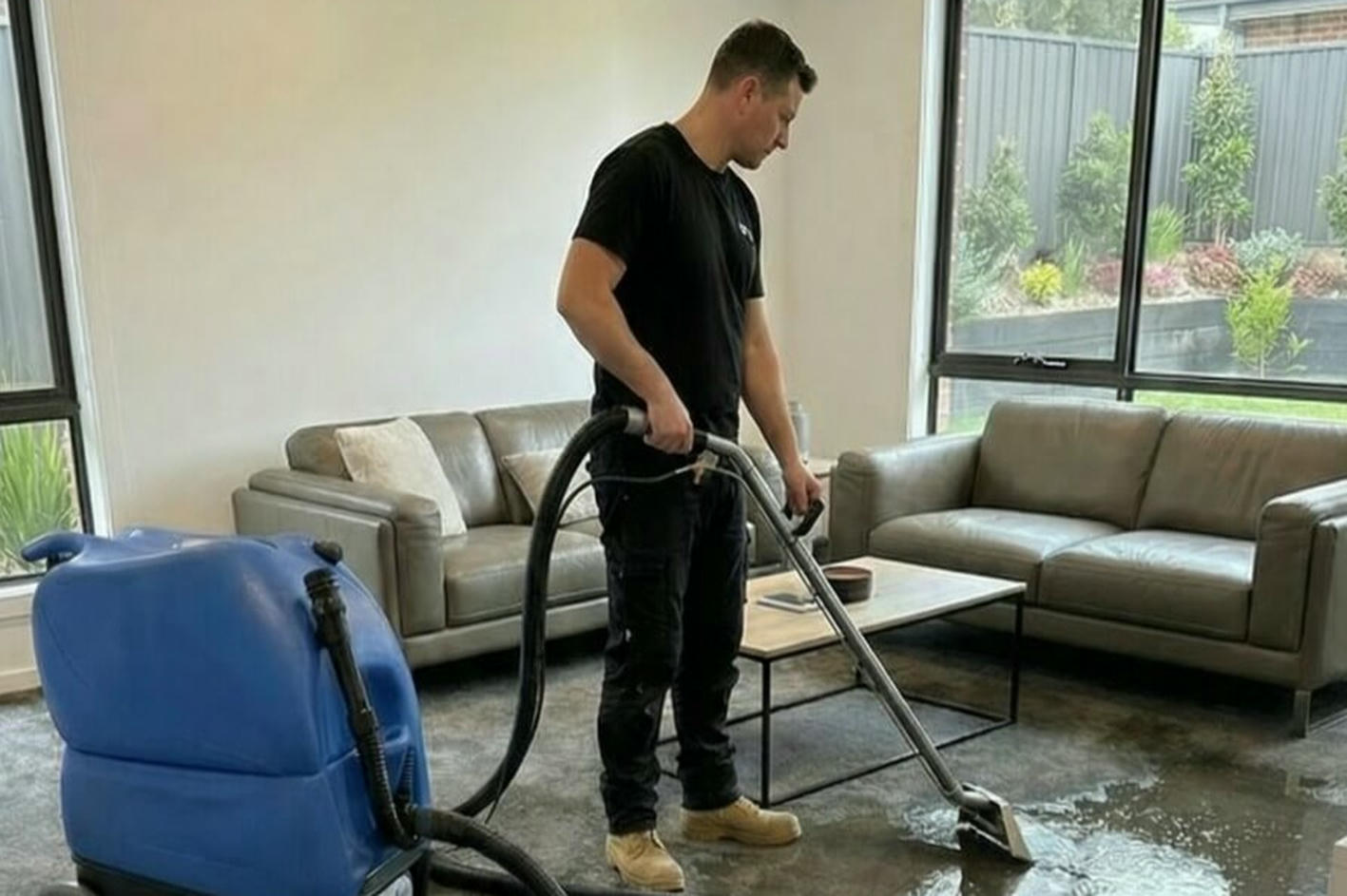
Commercial-grade pumps and wet vacuums remove all standing water as quickly as possible. This is the critical step that stops the damage from spreading further.
Step 3: Structural drying and dehumidification
Industrial air movers and dehumidifiers run continuously across affected areas. Moisture readings are taken daily to track progress. We issue a Dry Certificate when all readings confirm the property has returned to acceptable moisture levels.
Step 4: Cleaning and sanitisation
For grey and black water events, antimicrobial treatment is applied to all affected surfaces. This prevents bacterial growth and mould colonisation.
Step 5: Repairs and reinstatement
Once dry, any materials requiring replacement (underlay, plasterboard, flooring) are removed and reinstated. We handle the full repair process so you do not need to manage separate tradespeople.
Step 6: Final inspection and prevention advice
A final walkthrough confirms all areas are dry and structurally sound. We provide practical prevention tips specific to your property type and location.
Insurance: What Is Covered and What Is Not
Understanding your insurance position before you make a claim can save you significant money and stress.
What Is Covered Under a Standard Home Insurance Policy
Most standard building and contents insurance policies in Australia cover water damage restoration for sudden and accidental events. This includes:
- Burst pipes and internal plumbing failures
- Washing machine or dishwasher overflow
- Storm damage causing water ingress
- Drying, dehumidification and structural drying
- Cleaning and sanitisation of affected areas
- Mould treatment when it is a direct result of an insured event
- Repair or replacement of damaged materials
Major insurers including RACQ, NRMA, Suncorp, Allianz, and GIO include flood cover in their Queensland home policies, though the specific terms vary by insurer and postcode. Always read your Product Disclosure Statement (PDS) to confirm exactly what your policy includes.
What Is Not Covered
There are common exclusions that catch Brisbane homeowners off guard:
- Gradual or long-term leaks: Damage from a slow drip that you knew about but did not fix is not covered. Insurers treat this as maintenance negligence.
- Rising seawater or tidal flooding: As of January 2025, no standard Australian home insurance policy covers flooding due to rising seawater or tidal flooding, according to Canstar’s January 2025 review of policies.
- Pre-existing water damage: If moisture damage existed before the policy was taken out, it is excluded.
- Personal contents (if not on your policy): Building-only policies do not cover furniture, electronics, or other belongings.
- Mould caused by delayed action: If mould develops because you waited too long to act, and the insurer determines the damage was preventable, the remediation costs can fall outside your cover. This is one of the key reasons immediate response matters.
An Important Tip Before You Call Your Insurer
It is worth having your property independently assessed before you open a formal claim. Opening an insurance claim, even if it does not proceed, can affect your future premiums with some insurers. Our team carries out free damage assessments, which lets you understand the scope and cost of the work before deciding whether to claim.
We work with all major Australian insurers. Where a claim is the right path, we manage the entire process from initial documentation through to the final invoice, including photos, moisture reports, damage inventories, and negotiation of your entitlement. You have every legal right to choose your own restoration provider. Your insurer cannot require you to use their allocated contractor.
For a full breakdown of how we handle insurance claims, see our insurance claims support for water and flood damage.
Tips for Brisbane Property Owners
A few practical steps can reduce the water damage cleanup cost significantly and protect your home before professionals arrive.
- Stop the source first. If it is safe to do so, turn off the water at the mains. Knowing where your shut-off valve is before an emergency saves critical minutes.
- Cut power to affected areas. Do not enter rooms where water is in contact with electrical systems.
- Move valuables and furniture out of the water. Get anything off a wet floor within the first hour if you can do so safely.
- Do not use household fans. They spread moisture further through the property. Leave air movement to professional equipment.
- Photograph everything before cleanup. Document the water levels, affected materials, and damaged contents. This is essential for your insurance claim.
- Do not delay calling a professional. The 24 to 48 hour window is where the cost to fix water damage escalates most sharply. An immediate call costs you nothing: we offer a free damage assessment.
- Check your insurance before the event. Review your PDS to understand whether your policy covers flood, stormwater, and accidental damage. Do not find out at 11pm during a storm event.
How Flood Services Brisbane Can Help
When water damage happens, the last thing you need is confusion about what to do next. Our team is available 24 hours a day, 365 days a year, and we arrive on-site within 60 minutes of your call across Brisbane.
We are IICRC-certified water damage restoration specialists. Every job starts with a free damage assessment and a transparent quote before any work begins. No hidden fees, no surprises.
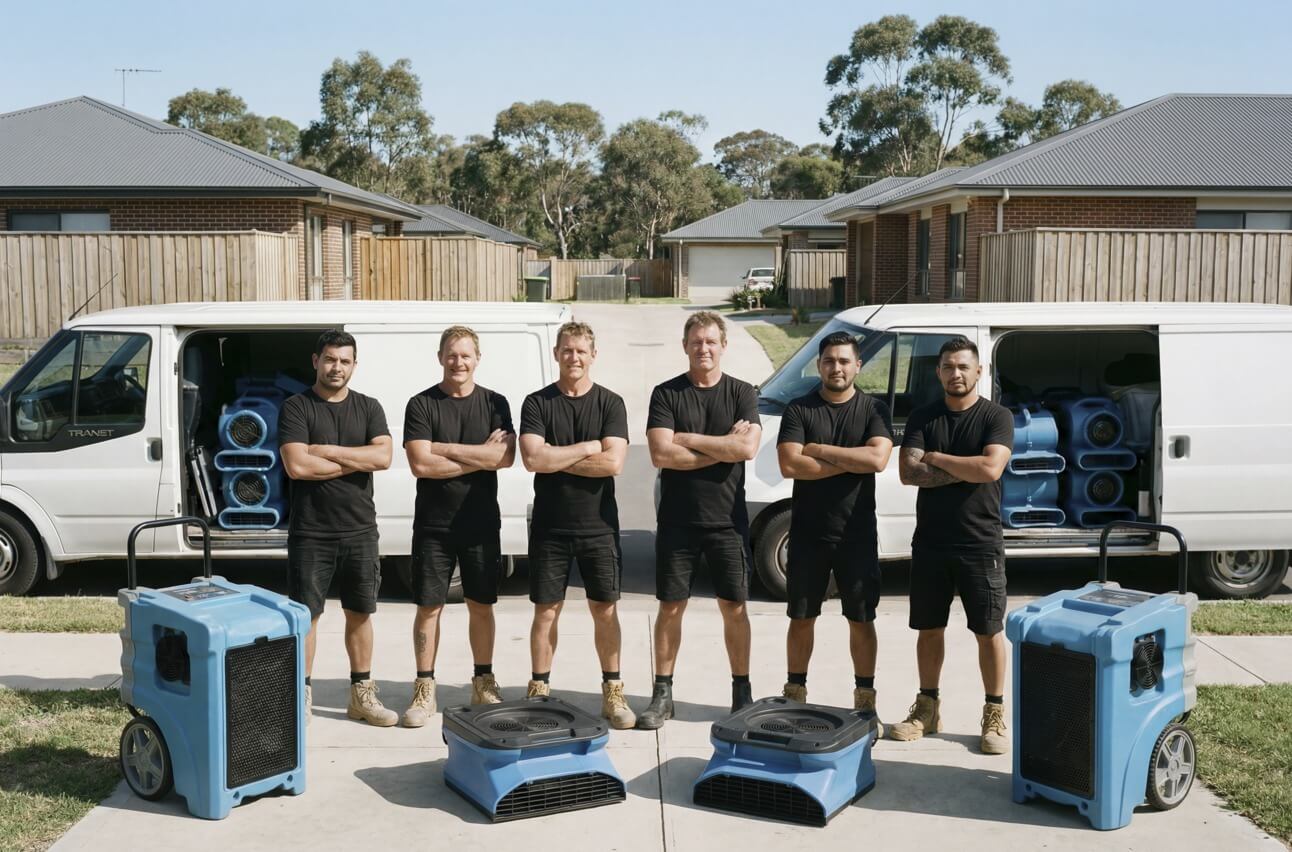
Our water damage restoration service covers every stage of the process: water extraction, structural drying, sanitisation, mould remediation, plasterboard and flooring repairs, and full insurance documentation. One team, one process, from the first call to the final Dry Certificate.
Whether you are dealing with a burst pipe at 2am or the aftermath of a Brisbane storm event, we are ready. Call us now on 07 3185 0987 for a free same-day assessment.
Flood Services Brisbane is a Brisbane-based flood and water damage restoration company. Our technicians are IICRC-certified and available 24/7 across all Brisbane suburbs. Call 07 3185 0987 or use our online form to request emergency assistance.